



The Arctic experienced the warmest period since modern records began, with temperatures well above the recent average. The increase was not isolated: it spanned entire seasons and consolidated a persistent trend. The polar region once again stands as one of the main focuses of global climate change.
This accelerated warming confirms that the Arctic responds faster than other areas of the planet. The loss of thermal stability alters natural processes that were previously in balance. The changes observed are no longer exceptional but part of a new climatic normality.
The phenomenon compromises fragile ecosystems and climate systems that influence the entire northern hemisphere. The speed of the process reduces the margins of natural adaptation. Science warns that the time to act is drastically shortening.

Retreating Ice and Amplified Climate
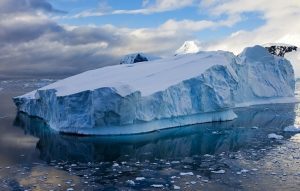
The decrease in sea ice is one of the central drivers of Arctic warming. By losing white, reflective surfaces, the dark ocean absorbs more solar energy. This reinforces the warming cycle and accelerates the melting year after year.
The increase in water vapor in the atmosphere acts as a blanket effect. Heat is trapped near the surface, hindering natural thermal regulation. This mechanism amplifies the impact of global warming in high latitudes.
The ice pack reached historic minimum extents, affecting species that depend on the ice. Marine mammals lose platforms for hunting, moving, and reproducing. The ecological balance of the Arctic is becoming increasingly unstable.
Visible Ecological Transformations
The warmer and wetter climate drives changes in tundra vegetation. Plants typical of more temperate regions are moving northward. This process, known as borealization, redefines the Arctic landscapes.
The thawing of permafrost releases minerals and alters water quality. Rivers and streams acquire orange hues, a sign of environmental degradation. Aquatic biodiversity faces increasingly hostile conditions.
These transformations impact entire food chains. Species adapted to extreme cold lose their historical habitat. The region’s ecological resilience is seriously compromised.
Global Consequences of Arctic Warming
The Arctic functions as a regulator of the planetary climate. Its warming reduces the thermal difference between poles and mid-latitudes. This favors the occurrence of extreme weather events in other regions.
Intense cold waves can shift to inhabited areas. At the same time, irregular rains and severe meteorological phenomena increase. The impact is felt in agriculture, infrastructure, and food security.
Moreover, the melting alters key ocean currents in the North Atlantic. These changes can modify climatic patterns on a global scale. What happens in the Arctic is no longer remote: it affects the entire planet.



