



For decades, science has tried to calculate how many species inhabit the Earth. In 2011, a widely accepted estimate placed the figure at about 8.75 million distinct organisms, a number that became a reference for researchers and environmental organizations.
However, over time, new scientific tools began to question that calculation. The use of genetic analysis allowed the discovery that many apparently identical species hide deep differences in their DNA.
Consequently, the global biodiversity landscape began to change. Some studies suggest that the actual number of organisms could be much higher, even hundreds of millions more than originally thought.
Moreover, recent research suggests that groups considered well-known, such as vertebrates, may also be underestimated. This raises new questions about the true dimension of life on the planet.
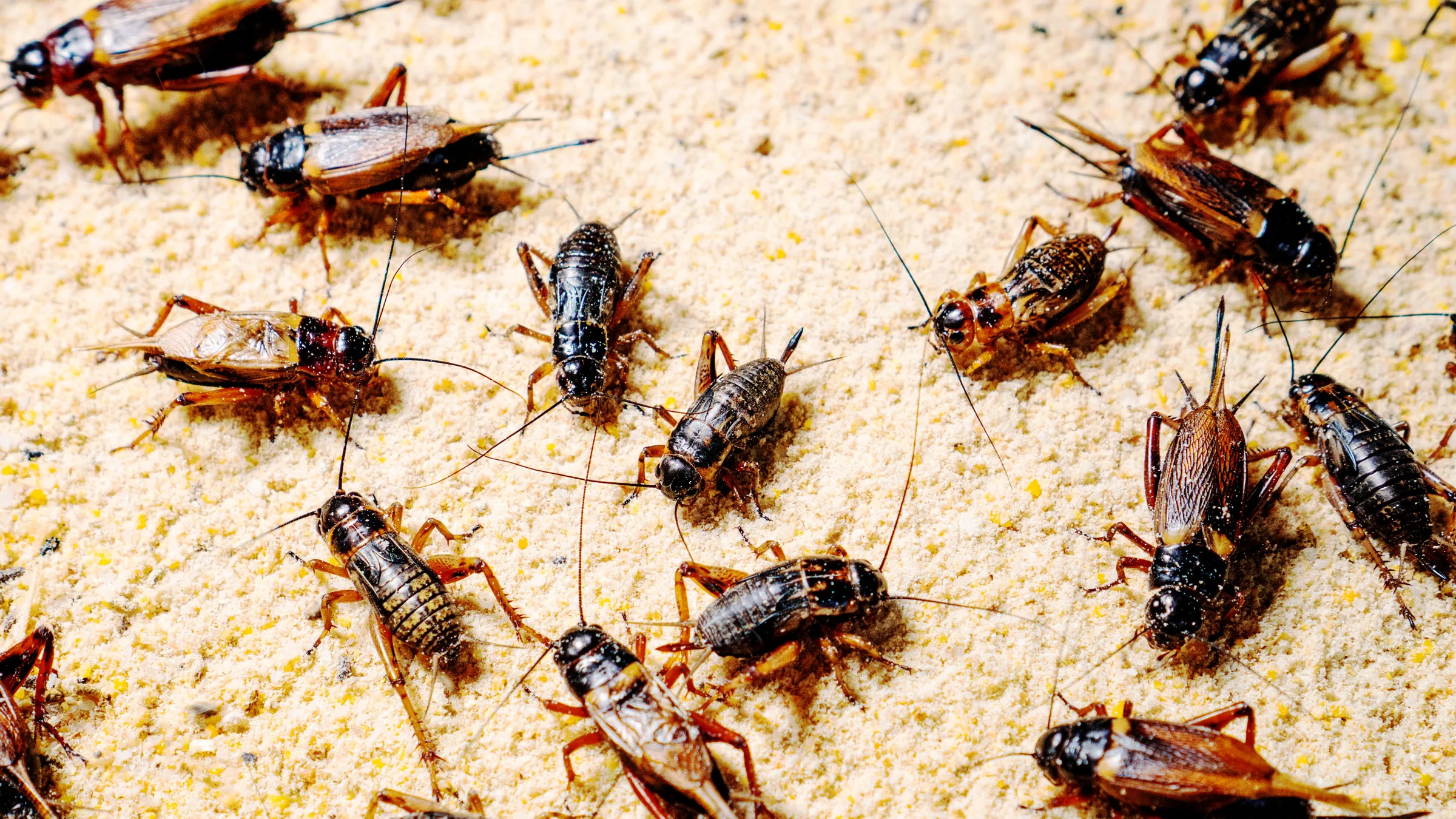
Cryptic species: the invisible world revealed by DNA
The advancement of genetic barcoding enabled the identification of what scientists call cryptic species. These are organisms that appear identical at first glance but, when analyzing their genetic material, turn out to be different species.
This phenomenon was first detected in insects and microorganisms, where diversity is enormous. However, recent research has shown that it also occurs in larger animals, including fish, reptiles, birds, and mammals.
To analyze this situation, researchers reviewed nearly 400 scientific studies focused on species delimitation using DNA. The goal was to compare traditionally recognized species with those identified from genetic data.
The results were surprising. On average, for every vertebrate species defined by its physical appearance, there are approximately two distinct species when their genes are analyzed. Therefore, the actual number of vertebrate species could be almost double what is currently recognized by science.
How many vertebrate species could exist on Earth
Scientists analyzed different groups of vertebrates to assess the extent of cryptic species. These included ray-finned fish, amphibians, mammals, squamate reptiles such as lizards and snakes, and birds.
These results showed similar patterns across all groups. In fish, the estimated ratio was approximately 1.8 cryptic species for every known species, while in amphibians it reached about 2.2.
In mammals, the value was around 1.7, while in squamate reptiles it was about 2.0. In the case of birds, the analysis suggested around 2.1 species for each previously recognized one.
This indicates that vertebrate biodiversity is much more complex than previously thought. Consequently, the total number of species on Earth could increase considerably as genetic studies deepen.

Ecological implications and challenges for conservation
The discovery of cryptic species not only expands scientific knowledge. It also has direct consequences for the conservation of biodiversity and the management of ecosystems.
When a population considered unique is divided into several distinct species, each may have a smaller population size and face specific risks. This means that some could be more threatened than previously believed.
A clear example occurred when the African elephant was reclassified into two distinct species: the savanna African elephant and the forest African elephant. Following this differentiation, the latter was quickly listed as critically endangered due to the sharp decline in its populations.
For this reason, understanding the planet’s true diversity becomes key to designing effective conservation policies. Identifying new species allows for the protection of entire ecosystems before their biodiversity disappears without ever being recognized.
Ultimately, each scientific advance reveals that life on Earth is more diverse and complex than we imagined. At the same time, it underscores the urgency to protect it before many of these hidden species disappear.



