



Planet lakes are increasingly having less oxygen. The values are concerning and, if the trend continues, they could have up to 9% less by the end of the century.
This was determined by a research conducted by scientists from the **Chinese Academy of Sciences**.
## Lakes have less oxygen: what is the reason
The **situation is alarming**, with lakes being the most affected water bodies. However, they are not the only ones, as rivers and oceans also lose oxygen in a similar way.
The decrease in oxygen levels in lakes **responds to a series of mechanisms that accelerate this process**, to the point that some lose it up to nine times faster than oceans.
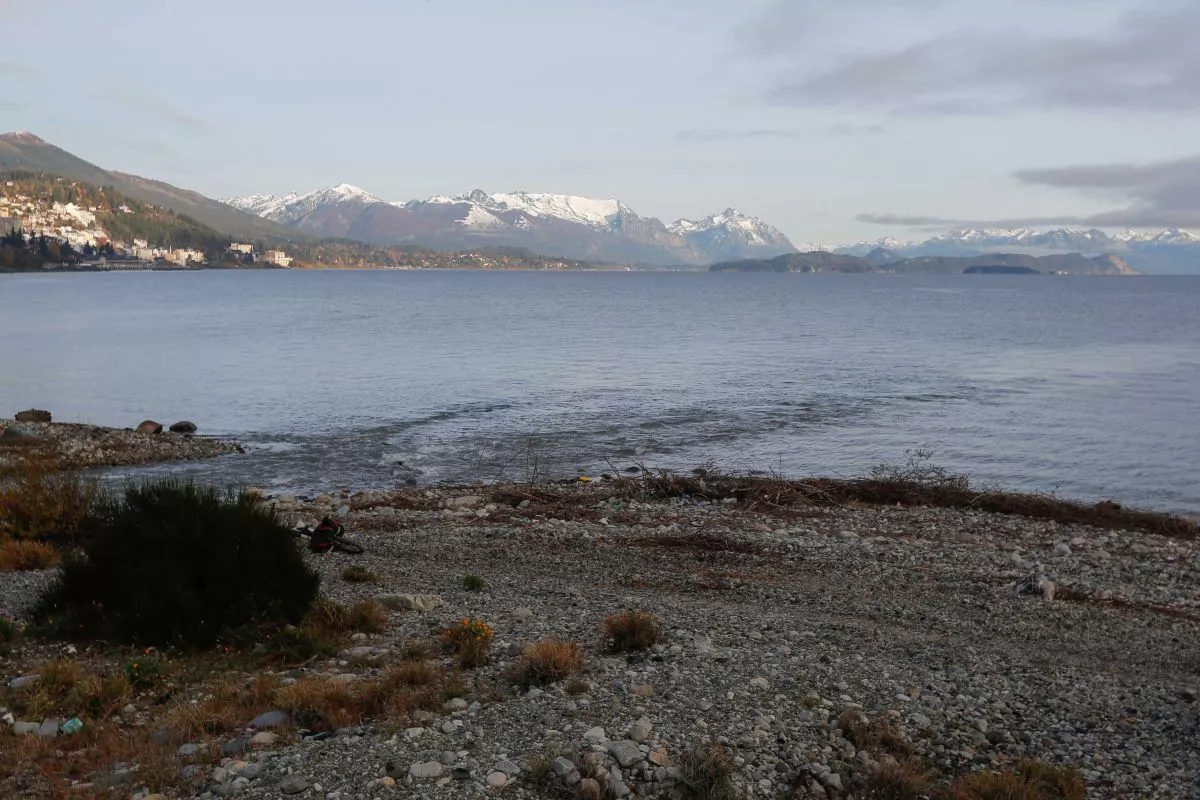
*The loss of oxygen from lakes.*
This was determined by research conducted by a team led by **Yibo Zhang, a geographer from the Chinese Academy of Sciences**.
As indicated in the research published in *ScienceAdvances*, there are three main focuses that are the cause of this loss.
The [increase in temperatures](https://noticiasambientales.com/medio-ambiente/temperatura-global-record-el-2024-podria-ser-el-primer-ano-en-superar-los-15/) generates a reduction in the oxygen’s capacity to dissolve in water, affecting **7.7% of the oxygen loss** that was confirmed by examining **15,535 lakes**.
The [warming](https://noticiasambientales.com/medio-ambiente/alerta-por-las-temperaturas-record-en-los-oceanos-el-impacto-en-la-biodiversidad-y-comunidades-costeras/), as highlighted, is positioned as the **major responsible, with an interference of up to 55%** in oxygen levels in lakes. The situation harms both smaller lakes and larger ones, with **the Caspian Sea being greatly affected**.
## The role of algae
Another factor that is also linked is **the proliferation of algae**. Researchers argue that this factor accounts for **10% of the oxygen loss in lakes**, largely due to excessive use of fertilizers and manure near waterways.
## How the study was conducted
The research established that **more than 80% of the 15,535 lakes examined** have reduced oxygen levels.
85% of the investigated lakes have experienced an increase in heat waves per year between 2023 and 2023.

*Endangering aquatic biodiversity.*
Identifying these mechanisms is vital to understand the reason behind the oxygen loss in lakes.
To do this, Yibo Zhan’s team used **different resources such as satellite images** along with geographical and climatic data to contextualize the situations that have affected the lakes.
## Main consequences
This decrease in dissolved oxygen in lake water brings, as a direct consequence, a growing **risk to natural life**.
It alters ecosystems to the point of creating areas where **life cannot exist**. The death of both fauna and flora are intrinsically linked to this trend, resulting in a **loss of biodiversity**.
**[Do you already know our YouTube channel? Subscribe!](https://www.youtube.com/channel/UCrYLIWysAyv4m833zGAQ02g)**



