



Tramontina consolidated a key advance in its environmental strategy by recovering about 85% of the waste generated in 2024. The material was recycled, reused, composted, or energy-recovered, reducing waste and pressure on natural resources. The approach combines productive efficiency with environmental responsibility on an industrial scale.
The company optimized material traceability and closed production cycles with steel, aluminum, plastics, wood, and cardboard. More than 29,600 tons returned to value chains, including industrial parts and packaging. Circularity ceased to be a goal and became an operational standard.
This progress is supported by processes that maintain product quality and durability. Recovery does not imply performance loss but rather intelligent redesign. The result is a cleaner and more competitive industry.

Waste that becomes resources
The waste management extended to the post-consumer stage through reverse logistics. In Brazil, the recovery network reaches thousands of points in more than a thousand municipalities. Appliances and used products return to the system for their proper reintegration.
The company also developed its own programs in stores and communities. These channels reduce final disposal and promote responsible habits. Waste ceases to be a problem and becomes an input.
The redesign of packaging was another central axis. More than 60 initiatives reduced materials and promoted recycled content. Today, nearly half of the packaging already incorporates recovered material.
Innovation with positive environmental impact
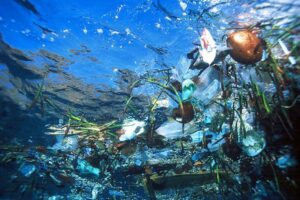
Among the highlighted initiatives is Oceano +Clean. Coastal plastic waste is turned into durable products, preventing its return to the sea. Design, traceability, and environmental recovery coexist in a single proposal.
Other alliances allowed the reuse of discarded rubber in new industrial products. These solutions incorporate high percentages of recycled material without compromising quality. Innovation relies on cooperation between sectors.
The ECO and LYF lines reinforce this approach. Recycled materials are integrated into everyday products. Sustainability becomes accessible and visible.
Clean energy and emission reduction
The use of renewable electric energy avoided more than 11,600 tons of CO₂e. Emission intensity was reduced steadily over the last year. The energy transition is integrated into daily operations.
More than 20 projects improved energy efficiency. Natural gas consumption was reduced, and electric vehicles were incorporated. Logistics also advance towards lower emissions.
These changes reinforce the coherence between production and climate. Less fossil energy implies a lower environmental impact. The industry adapts to a decarbonization scenario.
Benefits of a circular industry
The waste recovery reduces the extraction of raw materials. This protects ecosystems and decreases conflicts associated with mining. The circular economy acts as a barrier against resource depletion.
The model also reduces costs and increases productive resilience. Recovered materials stabilize supply chains. Environmental efficiency translates into economic solidity.
At a social level, local recovery and employment networks are generated. Community participation strengthens environmental awareness. Sustainability is built collectively.
Regional expansion with a sustainable focus
The opening of a commercial office in Buenos Aires marks a new regional stage. The landing seeks to expand the offer with criteria of efficiency and responsible design. Sustainability is integrated into commercial growth.
The applied model demonstrates that the industry can transform. Recovering waste, using clean energy, and reducing emissions is possible today. The challenge is no longer technical but to replicate and scale these practices.


