



The Argentine automotive market is undergoing a transformation with the arrival of Chinese brands offering electric and hybrid cars at more competitive prices and with greater technological availability.
However, mass adoption faces structural barriers: lack of charging infrastructure, restrictive fiscal policies, and geographical distances that complicate the operation of these vehicles.
The Uruguayan Model
Uruguay has become a regional benchmark in electromobility thanks to active and sustained policies:
- Public charging network: more than 220 points distributed throughout the country, with coverage on major road corridors.
- Electric public transport: buses and taxis already operate with this technology, supported by state subsidies.
- Favorable fiscal policy: zero tariff for electric cars, with no quotas or price limits.
- Usage conditions: shorter distances and a higher gasoline price (around USD 2 per liter) that encourages the transition to electric.
Differences with Argentina
In Argentina, fiscal policy limits expansion:
- There is a quota of 50,000 units for hybrids and electrics, with a maximum FOB price of USD 18,000.
- The charging infrastructure is incipient, and the country’s vast distances complicate the predictability of interurban travel.
- The gasoline price is lower than in Uruguay, reducing the economic incentive to switch to electric.
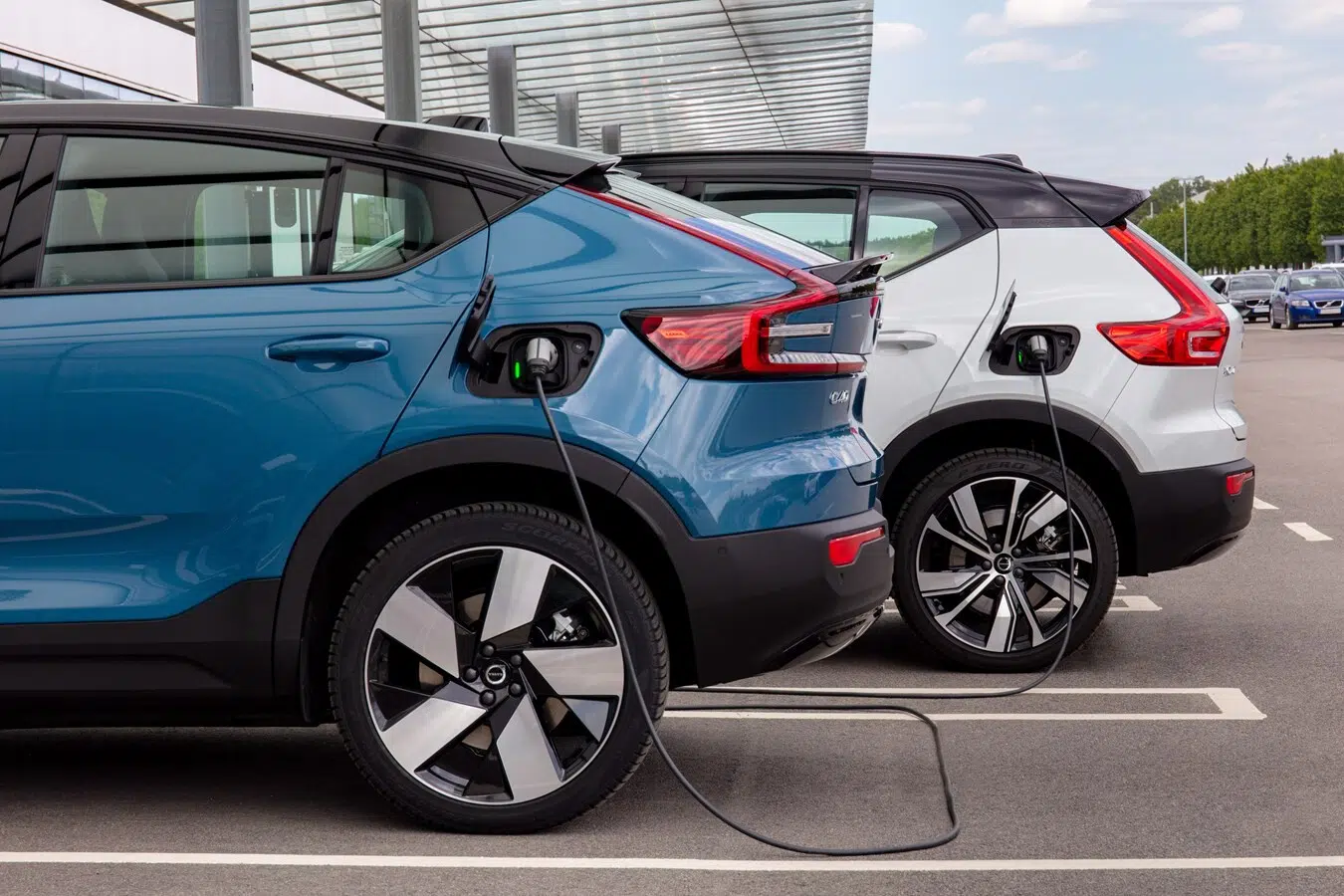
Five Measures Argentina Could Replicate
According to industry companies, these are the keys to the Uruguayan model that could be adapted to the Argentine market:
- Tax exemption: eliminate internal taxes and licenses for electric cars.
- Differentiated electricity rates: apply discounts on nighttime home charging.
- Expanded charging network: deploy infrastructure on national routes and strategic corridors.
- Interoperability: create a unified platform that simplifies the payment and use of chargers.
- State policy: promote a structural change towards a cleaner energy matrix in mobility.
Regional and International Impact
The Uruguayan experience demonstrates that the combination of fiscal incentives, infrastructure, and long-term planning is crucial to accelerating the adoption of electromobility. In contrast, the arrival of new models in Argentina, even with a strong presence of Chinese manufacturers, is not enough by itself to transform the sector.
Uruguay offers a concrete and nearby model that Argentina can observe to overcome its structural barriers.
The key lies in integrating clear fiscal policies, reliable charging infrastructure, and a national strategy that encourages the transition to electric vehicles. Only then can electromobility be consolidated as a real and sustainable alternative in the country.



