



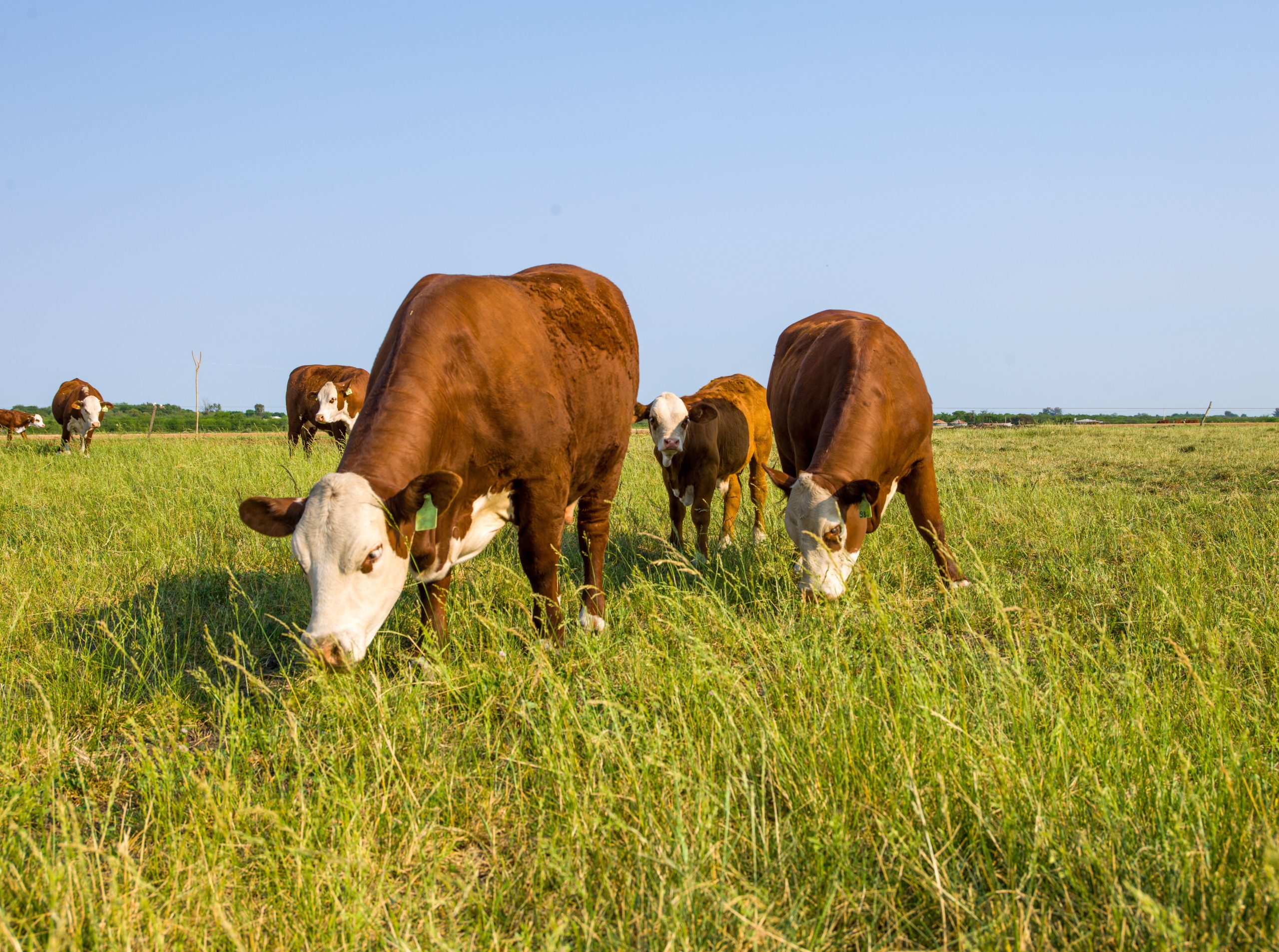
More than 200 producers from 13 Argentine provinces are part of the Alianza del Pastizal, an initiative that promotes the conservation of natural grasslands through livestock production.
Currently, more than 700,000 hectares are part of this model that demonstrates it is possible to produce food, protect biodiversity, and generate economic value simultaneously.
Driven in Argentina by Aves Argentinas, along with partner organizations from Brazil, Paraguay, and Uruguay, the Alliance has been working for almost two decades to show that well-preserved grasslands sustain biodiversity and form the basis of resilient livestock systems.
Benefits of natural grasslands
According to Hernán Casañas, executive director of Aves Argentinas: “Natural grasslands are strategic allies for livestock production. They conserve soils, regulate water, store carbon, and host an enormous diversity of species”.
These environments fulfill key functions:
- Soil conservation and water regulation.
- Carbon capture and storage.
- Habitat for more than 500 bird species and a great diversity of native flora and fauna.
- Base of more resilient productive systems in the face of droughts and climate variations.
New financing tools
The initiative has incorporated mechanisms linked to carbon markets. Through the Grassland Carbon Project, management practices that contribute to carbon capture in soils and strengthen ecosystem conservation are promoted.
- Currently, 46 establishments participate in nine provinces.
- More than 130,000 hectares are managed under schemes of measurable and verifiable environmental benefits.
- Carbon credits allow producers to access international financing and diversify their income, recognizing the environmental value of their practices.
This model combines production, conservation, and financing, positioning grasslands as strategic assets in the face of climate change, biodiversity loss, and the need for sustainable productive systems.
Science, training, and public policies
In addition to working with producers, the Alliance promotes:
- Scientific knowledge about biodiversity and sustainable management.
- Technical training for producers and rural communities.
- Public policies that favor the conservation of grasslands and the competitiveness of the agricultural sector.
The generation of data and concrete experiences allows governments to design support programs and consumers to value products from sustainable systems.
A regional model
The Alianza del Pastizal is not limited to Argentina. Similar projects are also being developed in Brazil, Paraguay, and Uruguay, making this initiative a regional model of sustainable production. International cooperation strengthens the conservation of a shared ecosystem and promotes the integration of producers into more competitive value chains.
Almost twenty years after its creation, the Alianza del Pastizal is consolidated as one of the most relevant experiences of sustainable livestock production in the Southern Cone.
Its proposal demonstrates that nature conservation can become a concrete opportunity for rural development, the generation of innovative financing, and the competitiveness of Argentine agriculture.



