



In the Northern Patagonia, a group of mountain guides is promoting the reactivation of the Huella Andina. The proposal aims to establish it as a long-distance trail, similar to major international trails, thus transforming hiking into an experience of connection with nature and local history.
The Huella Andina is Argentina’s first long-distance trail. Spanning 570 kilometers, it links Lake Aluminé with Lake Baguilt. Additionally, it crosses Neuquén, Río Negro, and Chubut, integrating diverse territories.
Throughout its route, the trail crosses the national parks Lanín, Nahuel Huapi, Los Arrayanes, Lago Puelo, and Los Alerces. In this way, it protects landscapes of high ecological value. At the same time, it promotes a responsible use of the environment.
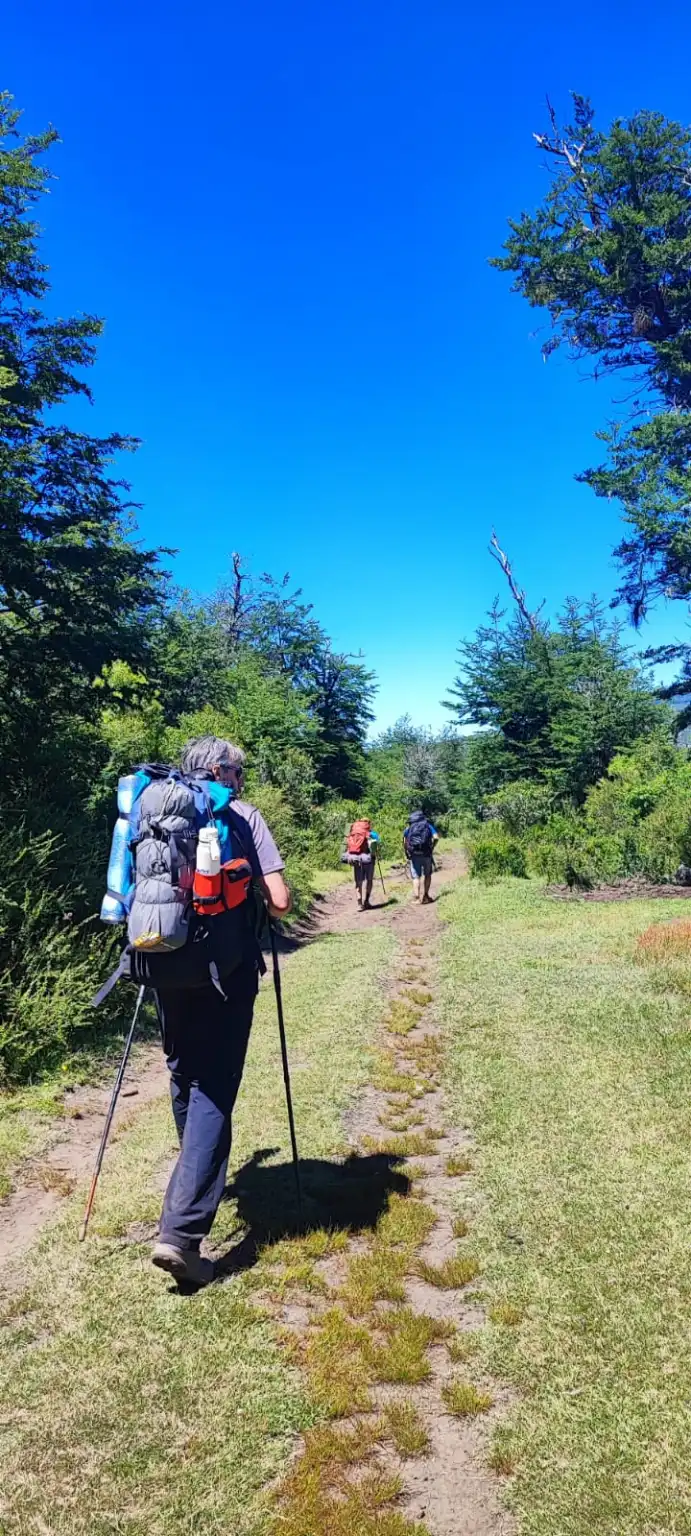
Historical trails designed for leisurely walking
The route recovers ancient paths used by rural inhabitants. Therefore, it preserves a living memory of the connection between people and territory. Additionally, it is designed for hikers with little experience.
The design prioritizes accessible stages and slow rhythms. In this way, the trail invites observation, rest, and inhabiting the landscape. This logic reinforces a low-impact tourism.
The original initiative sought to connect existing paths with new sections. In this way, an unprecedented continuity was achieved in the Patagonian mountain range. However, uneven maintenance hindered its consolidation.
Interrupted sections and current challenges
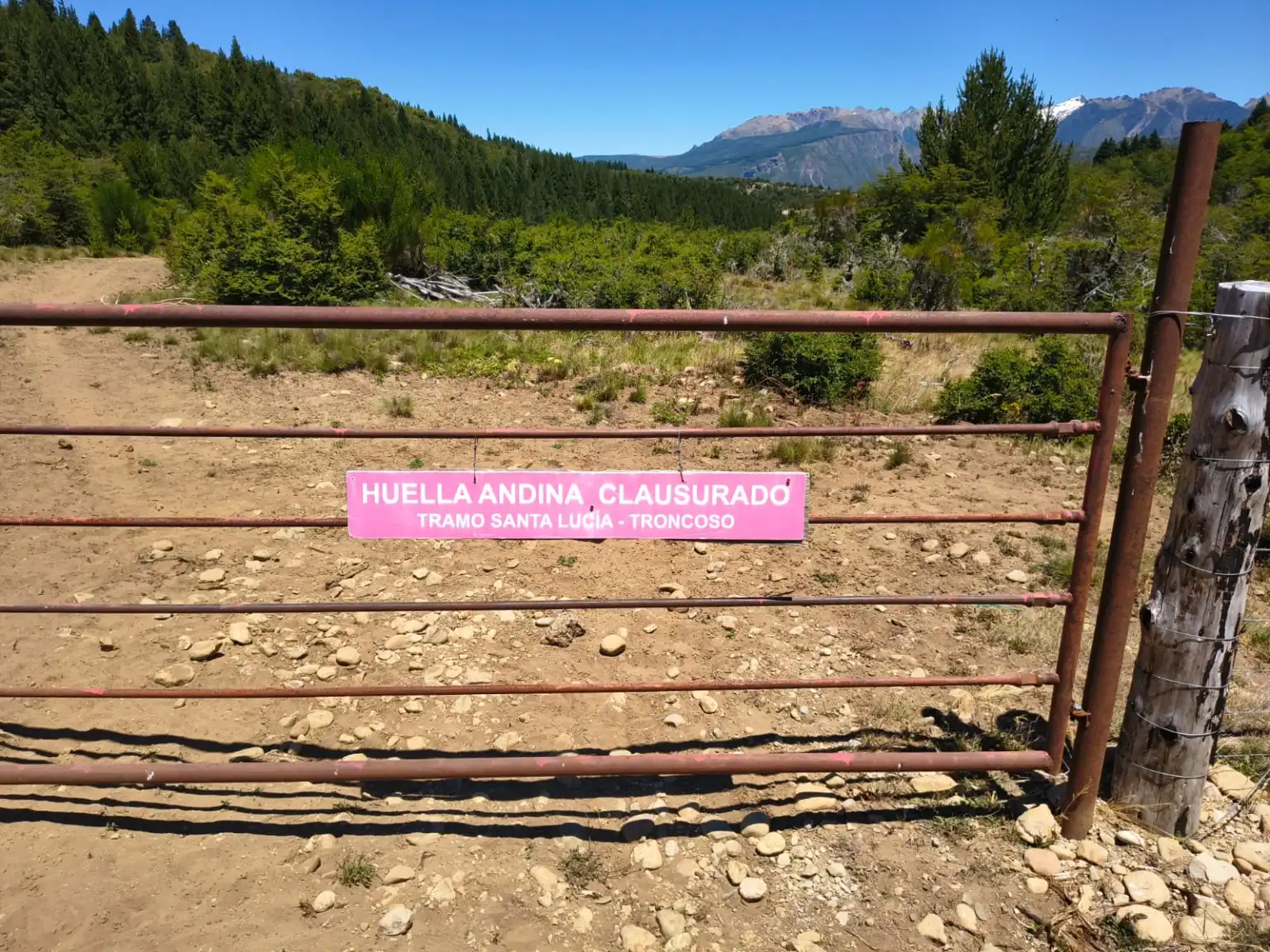
Currently, many of the difficulties are located outside protected areas. There, the lack of maintenance and agreements with private owners limits continuity. Additionally, forest fires have erased key signage.
The most affected sectors extend between Manso Inferior and Puerto Patriada. There are also interruptions between Puelo and El Desemboque. In these areas, access is restricted or lacks marking.
In response to this scenario, the guides propose joint actions. On one hand, they call for volunteers to reopen trails. On the other, they request the renewal of provincial agreements with rural landowners.
Pilot experiences and collaborative work
In the Lanín National Park, a diagnosis has already been advanced. Special permits were granted there to re-signpost the paths. The intention is to replicate this model in Nahuel Huapi and Los Alerces.
These agreements allow for a coexistence between conservation and tourist use. Additionally, they enable private owners to offer services related to the trail. In this way, the path reintegrates into local life.
The experience shows that when there is organization, the trail revives. However, it needs institutional continuity. Thus, the Huella Andina can once again become a collective project.
Environmental and social benefits of the initiative
Reactivating the Huella Andina promotes a low-impact tourism. Walking reduces emissions and minimizes pressure on ecosystems. Additionally, it fosters a more conscious relationship with nature.
Socially, the trail strengthens regional economies. It crosses eight cities and numerous little-visited towns. Thus, it generates income distributed in accommodation, food, and services.
Finally, the Huella Andina encourages the care of the territory. Those who walk become guardians of the landscape. Therefore, keeping this trail alive is a bet for a sustainable Patagonia open to the world.


