



The deputy Vilma Vázquez, from the Juntos por Entre Ríos (JxER) bloc, presented a bill that seeks to ensure that all beaches in the province are accessible for people with disabilities.
The proposal defines “accessible beach” as a space that ensures an adequate environment for the recreation of people with reduced mobility, sensory or cognitive disabilities, allowing safe and comfortable access to water, sand, and dry areas.
Project Foundations
Vázquez emphasized that accessible tourism is not only a social policy but also a strategy for sustainable economic development. By expanding markets and diversifying the tourism offer, it generates positive impacts on employment, consumption, and services.
The legislator highlighted experiences already implemented in Paraná, Colón, Concordia, and Federación, which demonstrate that accessibility on beaches is viable, progressive, and valued by the community.
An Inclusive Management Model
The project seeks to consolidate a public management model based on:
- Rights and social sensitivity.
- Institutional coordination between tourism, disability, infrastructure, health, and social development.
- Resource optimization and improvement of service quality.
- Homogeneous accessibility standards throughout the provincial territory.
For Vázquez, advancing accessible beaches implies recognizing that the right to leisure, rest, and contact with nature is an essential component of human dignity.
Necessary Adaptations
Accessible beaches include:
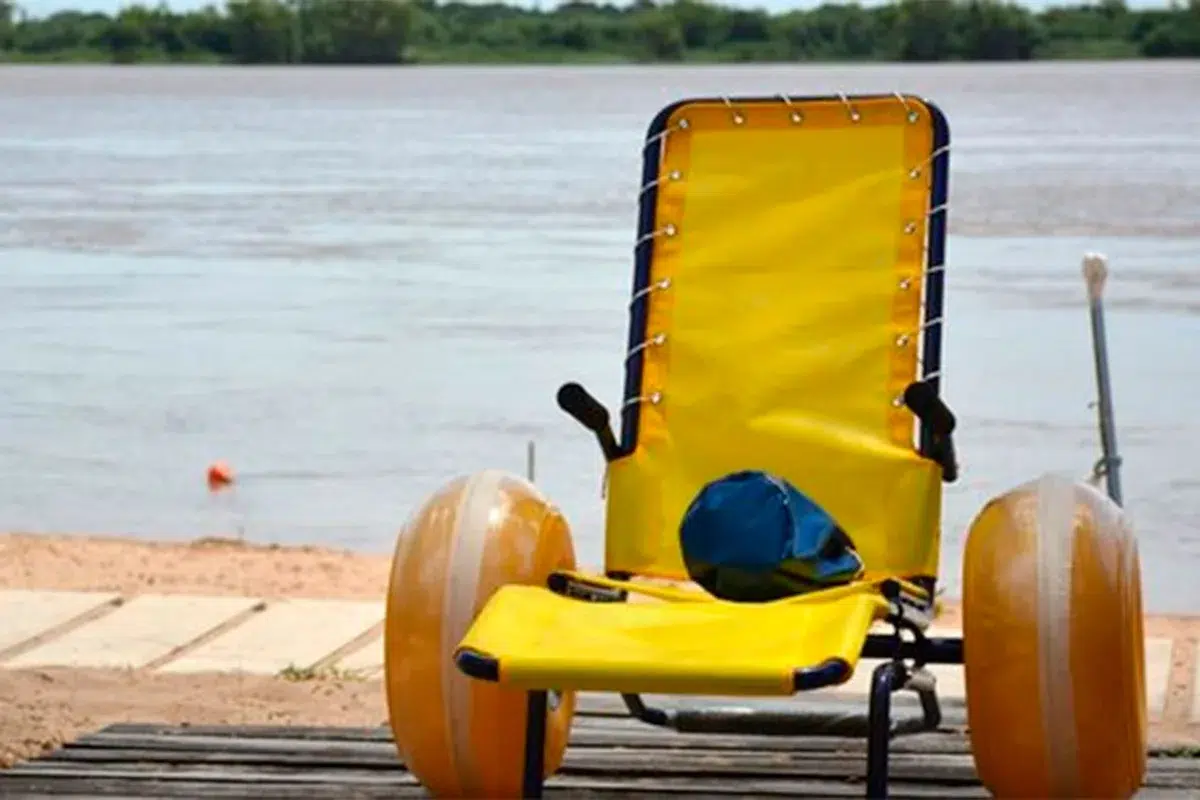
- Amphibious chairs for entering the water.
- Walkways and ramps for safe mobility.
- Adapted bathrooms and shaded areas.
- Trained staff and multidisciplinary teams to assist visitors.
These infrastructures benefit not only people with permanent disabilities but also elderly people, families with strollers, and people with temporary reduced mobility.
Social and Therapeutic Benefits
- Inclusion and rights: ensure that no one is excluded from enjoying the beach.
- Autonomy and quality of life: allow safe experiences and strengthen self-esteem.
- Thalassotherapy: contact with the sea, sun, and sand provides physical and mental benefits.
- Universal benefit: improve the experience of the entire community.
A Political Definition
For the deputy, “an accessible beach is not just another public work: it is a political definition about what kind of society we want to build.” The initiative seeks to humanize politics, projecting a future based on equality, inclusion, and comprehensive human development.
The bill for accessible beaches in Entre Ríos represents a decisive step towards a more inclusive province. By ensuring safe and autonomous access to leisure and nature, rights are expanded, citizenship is strengthened, and a sustainable development model is promoted.


