



Noctourism, also known as night tourism, is establishing itself as a global trend that invites you to discover destinations from a different perspective. The proposal is simple but powerful: swap daylight for the mystery of the night and rediscover landscapes under a different atmosphere.
More and more travelers choose to explore when the sun sets, seeking experiences linked to contemplation, silence, and contact with nature. The night offers more pleasant temperatures, fewer crowds, and a unique sensory environment, where sounds intensify and perception changes completely.
A global phenomenon
Noctourism encompasses activities that take place under clear skies and away from light pollution:
- Astrotourism: star and celestial phenomena observation.
- Nocturnal excursions: hikes in jungles, coasts, or deserts.
- Bioluminescent experiences: seas that glow thanks to microorganisms.
In the northern hemisphere, Arctic destinations offer northern lights, while in the Caribbean, bioluminescence turns the sea into a hypnotic spectacle. In Bocas del Toro and Isla Saona, swimming at night leaves trails of blue light, while in Aruba, clear skies allow for exceptional star gazing.
Adaptation to climate change
The growth of noctourism also responds to the need to adapt to extreme temperatures. According to Booking.com, 63% of Argentinians planned more nighttime activities to avoid the heat, and 60% sought to reduce sun exposure.
Organizing outings at sunset or during the night not only enhances the experience but also optimizes time at the destination.
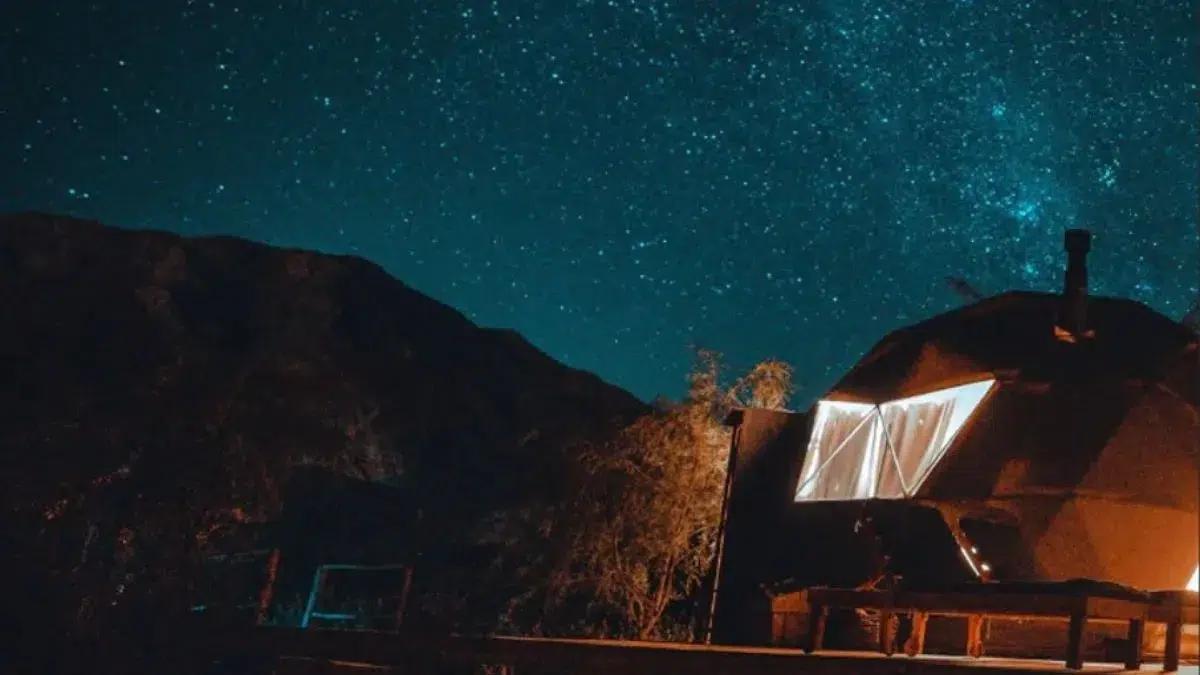
Outstanding experiences in Argentina
Noctourism is also gaining strength in the country, with immersive proposals to connect with nature after sunset:
- Reserva Ecológica Costanera Sur (CABA): free guided walks of three hours, on Fridays close to the full moon, for those over 12 years old with prior registration.
- Parque Nacional Iguazú (Misiones): Full Moon Walk to the Devil’s Throat, with the Ecological Jungle Train and walkways illuminated by moonlight.
- Capilla del Monte (Córdoba): a key destination for astrotourism, with low light pollution.
- Salinas del Gualicho (Río Negro): stargazing and dinners in the middle of the white desert.
- Observatorio Ampimpa (Tucumán): interpretation of the night sky in the Calchaquí Valleys.
Additionally, activities such as kayaking, canoe rides, and nocturnal wildlife watching are added, allowing the discovery of species and behaviors invisible during the day.
Practical recommendations
- Activities in the Reserva Costanera Sur require prior registration on the previous Mondays.
- The Full Moon Walk in Iguazú operates five nights a month, with limited spots and cancellations due to bad weather.
- Always check availability and safety conditions before participating.
Noctourism not only proposes different activities but also invites you to change the pace of the trip. The night imposes another cadence, more leisurely, where silence and contemplation take center stage. Whether on a walk under the moon, an excursion in jungles, or an immersion in glowing waters, the experience reveals that when the sun goes down, the world does not stop: it simply transforms.


