



The regenerative conservation in the Galápagos Islands does not arise from distant decisions, but from daily actions that directly impact the ecosystems and those who inhabit them. Therefore, the National Park prioritizes concrete policies adapted to the territory.
In a fragile archipelago, where every intervention leaves a mark, this approach prevents damage and also promotes sustained environmental improvements. In this way, protection becomes planned rather than reactive.
As a result, tourism has ceased to be a constant pressure factor and has become an active part of the solution. Thus, the balance between use and care is consolidated over time.

An international recognition for an innovative model
This sustained work received international recognition from Regenerative Travel which reinforces the leadership of the Galápagos National Park. Consequently, the archipelago is positioned as a global reference in sustainability.
The award values the integration between environmental conservation, public governance, and tourism activity. Moreover, it highlights the lasting benefits that this model generates for both nature and communities.
At the same time, the approach aligns with international commitments to protect natural heritage. Thus, management acquires a long-term vision.
Responsible tourism as a protection tool
Tourism in Galápagos is developed under clear and consensual rules. Therefore, visitors assume an active role in caring for the environment.
A participatory code of conduct promotes values of co-responsibility and respect. Thus, each tourist experience reduces its impact and provides resources for conservation.
Furthermore, the learnings from this process are integrated into continuous action plans. Consequently, tourism not only prevents damage but also contributes to restoration.
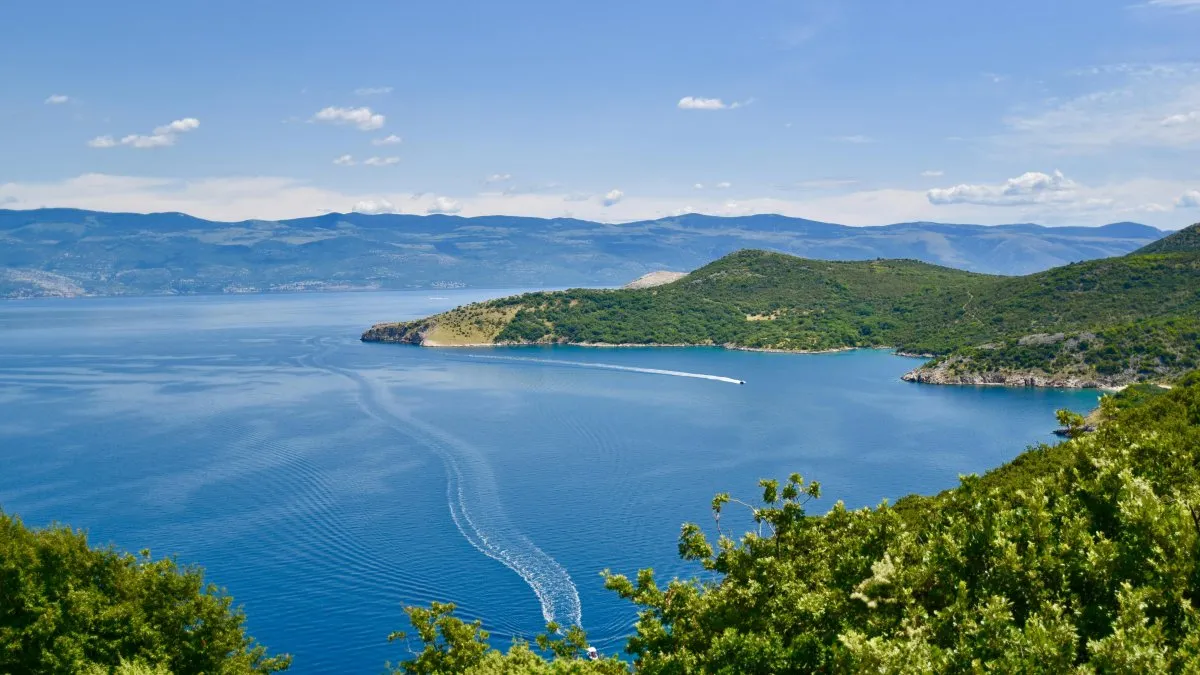
Galápagos Islands: a refuge for emblematic fauna under regenerative protection
The regenerative conservation prioritizes entire ecosystems and key species. Therefore, management focuses on maintaining natural balances.
Among the protected emblematic animals are:
- Giant tortoises
- Marine iguanas
- Sea lions
- Darwin’s finches
In this way, protection is not limited to preventing fauna loss. Instead, it strengthens essential populations and habitats for biodiversity.
What is regenerative conservation and why it matters
The regenerative conservation goes beyond preserving what exists. Instead of just maintaining, it seeks to restore ecosystems and improve their resilience.
This approach integrates responsible human activities that generate net benefits for nature. Thus, conservation, tourism, and development cease to be opposites.
Finally, regenerative conservation strengthens local communities and ensures environmental well-being in the long term. In Galápagos, this model already shows concrete and replicable results.


