



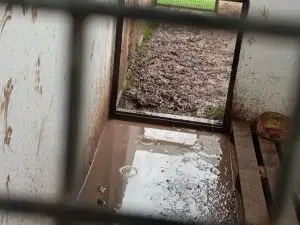
The storm, known as Santa Rosa, that took place in the province of Buenos Aires during the early hours of last Monday, did not leave structural consequences, but it did cause damages that would affect the welfare of animals in Tandil. This is what would have happened at the Animal Welfare facility, which was reported for abandonment due to the conditions in which the place was found.
According to a video posted on Mascotandil’s social network, this place represents a risk for the animals living there, as they claim that the state of the premises could become a focus of diseases such as pneumonia, otitis, fungi, and wet dermatitis, among others.
Likewise, the account mentioned that for some time they have been requesting the improvement of the premises from the municipal authorities and have not received any responses. In this regard, they mentioned that if the situation does not change, they will be forced to carry out a massive march with the dogs from the Municipality to the Mayor’s house.
The Animal Welfare premises were established in January 2022 on National Route 226, near the city’s Landfill. This space was previously used by Bromatology.
A premises in poor conditions
According to Mariana Jara, responsible for Mascotandil, the work, which initially consisted of building 12 kennels, was abandoned halfway through after the new director took office.
However, the animal relocation continued, as when they started moving the animals there, they were notified that the kennels were flooding. Since then, they claim they have been seeking answers, but have not been heard.
Basic needs that an animal shelter must meet
An animal shelter must guarantee basic welfare conditions, which involve having spacious, ventilated spaces that are protected from the elements. The facilities should provide shelter against cold, extreme heat, and rain, avoiding overcrowding and reducing the animals’ stress.
Additionally, it is essential to have differentiated areas for dogs, cats, and other species, with isolation areas for newcomers or those under veterinary treatment. This prevents disease transmission and allows for better sanitary control.
The shelter must also ensure regular veterinary care, balanced nutrition, and constant access to clean water. In addition, there is a need for trained staff and socialization programs to prepare animals for future responsible adoptions.



