



The city of Esquel in Chubut is moving towards a more efficient and sustainable waste management model. The collection system has incorporated satellite tracking technology in all trucks, allowing to monitor their routes, fuel consumption, and operation times. This change aims to optimize the service and reduce its environmental impact.
The implementation of this tracking system facilitates the organization of collection circuits, avoiding unnecessary routes and improving resource utilization. Real-time records allow monitoring how long each operation takes, as recently happened at a recycling station where unloading was completed in seven minutes, within the expected time.
Satellite tracking also provides key information about the vehicles’ condition. This allows anticipating maintenance and extending the fleet’s lifespan, avoiding failures that could affect collection or generate additional costs.
Additionally, an application is being developed to visualize all this data in real time, which will strengthen decision-making and operational planning, facilitating a more transparent and agile service.
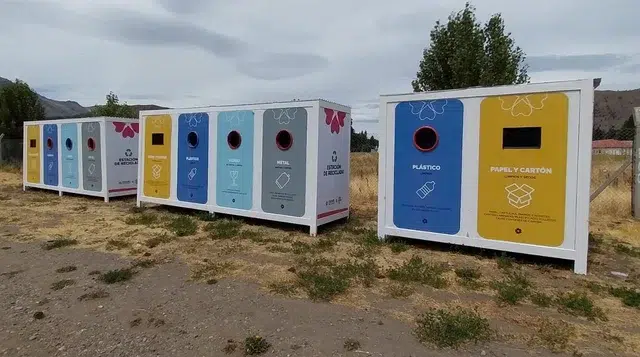
More Clean Points and Committed Neighbors
Another highlighted aspect is the expansion of Clean Points, which allow neighbors to deposit recyclable waste. Since their installation, a significant improvement has been observed in the correct disposal of waste, demonstrating increased citizen commitment to separation and recycling.
The current management has five stations distributed in strategic locations, which helped prevent overflows and accumulations on public roads. This not only improves urban hygiene but also promotes the recovery of valuable materials.
The proper use of these Clean Points increases the quantity and quality of recycled material. This, in turn, enhances its value in the market and boosts the circular economy, showing that collaboration between the government and the community generates positive results.
The success of this initiative reaffirms the importance of having more stations and continuing to promote environmental education, crucial for the public to remain engaged in the responsible management of their waste.

The Benefits of Proper Waste Management
Proper management of urban waste significantly reduces soil, air, and water pollution. By minimizing the amount of garbage sent to landfills, risks to public health are reduced, and the lifespan of these spaces is extended.
Recycling and waste valorization also help to save natural resources. By reusing materials, the need to exploit new raw materials is reduced, and the energy consumption associated with their extraction and processing is diminished.
Furthermore, efficient waste management promotes the creation of green jobs and fosters the development of a circular economy. This dynamic encourages new job opportunities in sectors such as recycling, logistics, and environmental education.
Lastly, the proper disposal and treatment of waste help to combat climate change. Reducing the emission of greenhouse gases from garbage decomposition in landfills is essential to achieve environmentally responsible and sustainable management.



