



The government of **Kazakhstan** recently authorized the **hunting of the saiga antelope** (*Saiga tatarica*), a species that was on the **verge of extinction** just ten years ago.
The measure sparked intense debate between **conservation advocates and state authorities** regarding the potential impacts of this [decision on biodiversity](https://noticiasambientales.com/animales/escandalo-en-la-pampa-seguira-la-caza-con-jauria-y-crecen-los-cuestionamientos/).
Authorization of Saiga Antelope Hunting Sparks Controversy: From Almost Extinct to Recovering Population
In 2015, a bacterial outbreak wiped out more than half of the **global population of this species in Kazakhstan**.
In just three weeks, over 200,000 individuals died. This even led the **International Union for Conservation of Nature (IUCN)** to classify it as “Critically Endangered”.
Since then, thanks to strict protection and international conservation efforts, the species has shown a remarkable recovery. According to recent data, the saiga population **increased by over 1000**% compared to its lowest point after the epidemic.
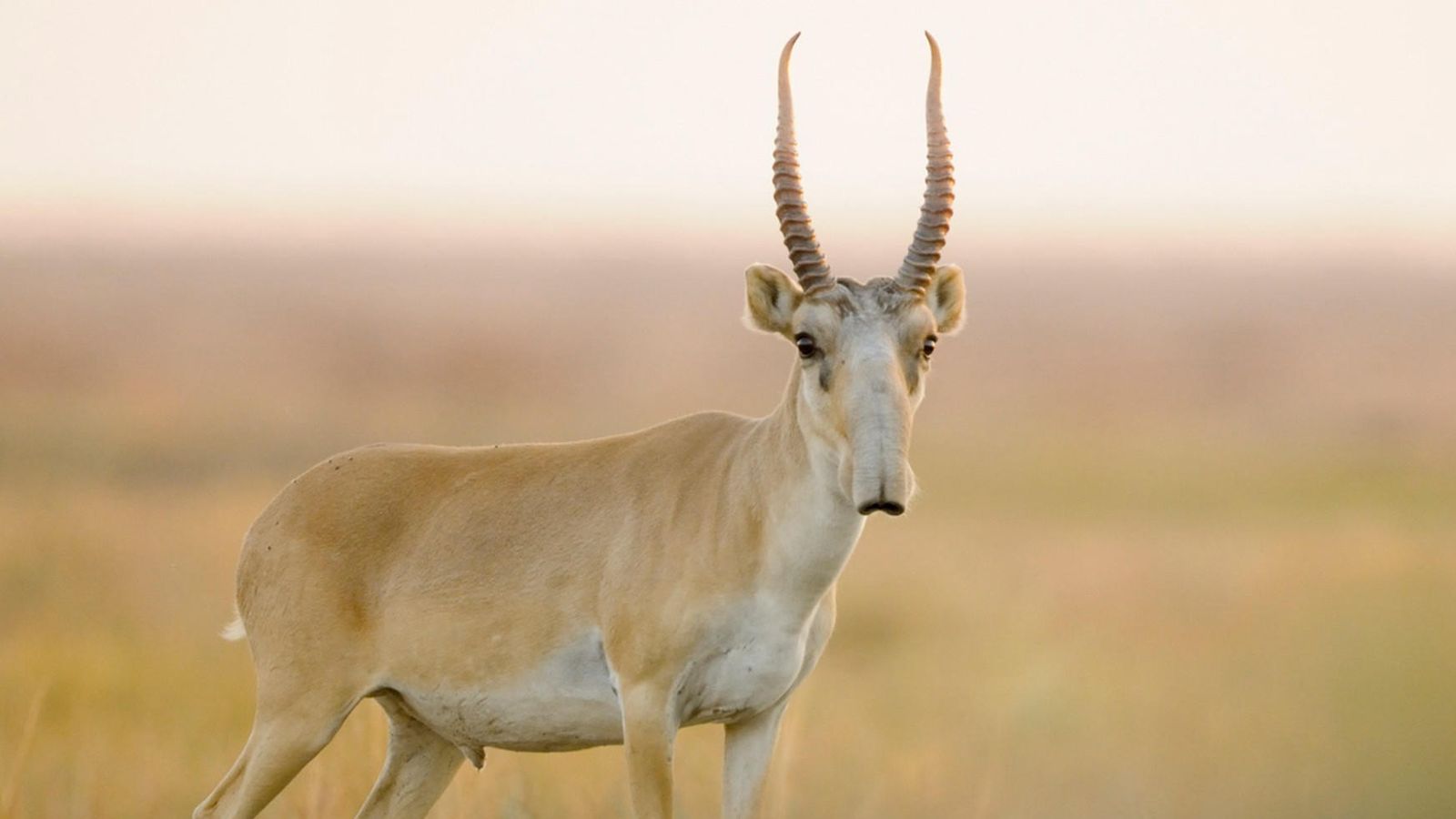
Now, the official announcement that saiga hunting will be allowed has stirred controversy and strong criticism.
Kazakh authorities claim that it is a **necessary measure to maintain ecological balance**, prevent overpopulation, and avoid damage to local ecosystems and agriculture.
However, various environmental organizations have expressed their concern.
They argue that allowing the hunting of a species that was on the brink of extinction jeopardizes the **progress made in its conservation**, and could lead to a setback in the achievements made so far.
A Precedent for Other Species in Recovery?
Another worrying point is that Kazakhstan’s decision **could have implications** beyond its borders.
Some experts fear that this action could pave the way for similar policies in other countries. In that case, species that are just coming off the red list could be targeted for hunting based on economic or political criteria.
To ensure that conservation strategies are sustainable in the long term, it is crucial that **decisions are based on scientific studies**, constant monitoring, and a precautionary approach that prioritizes biodiversity and ecosystem services.



