



A group of Argentine entrepreneurs has developed a revolutionary machine that allows for the transformation of waste into useful objects.
In other words, it can turn urban solid waste into reusable materials, significantly reducing garbage accumulation and its environmental impact.
How does the Zewan machine work?
The waste treatment plant, located in Exaltación de la Cruz, processes more than 100 tons of garbage per day. The process begins with the separation of waste into organic and inorganic through a 60-meter long conveyor belt.
Ferrous metals are extracted using magnets, while the rest of the materials are crushed to reduce their volume.
 Zewan’s machine. (Photo: zewanglobal Instagram).
Subsequently, the waste goes through a pasteurization system that subjects it to temperatures between 130 and 160 degrees Celsius, which eliminates bacteria and prevents the release of greenhouse gases like methane.
The result is a fibrous mortar that can be used to manufacture bricks, soft floors, and thermal insulators.
The environmental and social benefits of the creation
This innovative system not only contributes to reducing the accumulation of waste but also offers a sustainable solution for waste management.
By transforming waste into reusable materials, the need for natural resources is reduced, promoting a circular economy.
Furthermore, the technology used is natural, without the use of chemicals or fuels, minimizing the carbon footprint of the process.
The company Zewan, founded by Juan José Tomasello and his partners, has managed to install its technology in several locations in Argentina and is in talks to export it to the United States.
With the capacity to manufacture up to eight machines per month, Zewan aims to expand its impact and contribute to the global solution to the waste accumulation problem.
More recycling: the new waste separation and classification plant in Quilmes
Recycling is making an impact in Argentina in various forms. Recently, the municipality of Quilmes reaffirmed its environmental commitment with the inauguration of a modern municipal plant for waste separation and classification in the Eco Parque de La Ribera.
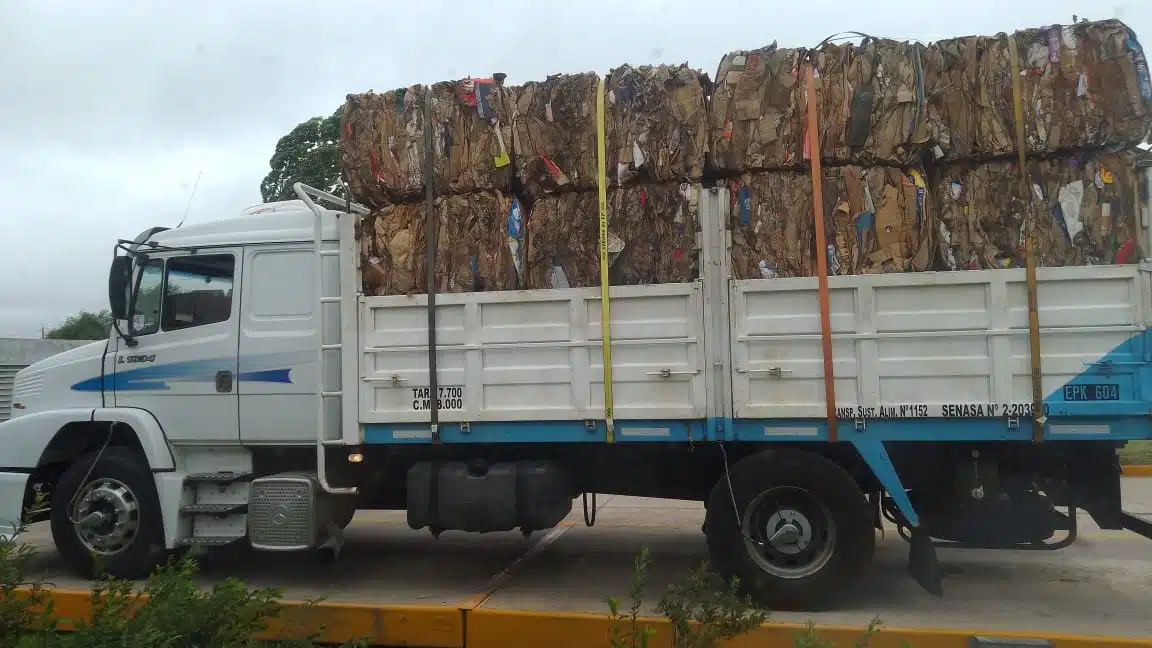 The importance of recycling for the circular economy.
The initiative aims to strengthen the Integrated Urban Solid Waste Management (GIRSU) system and promote a more sustainable city.
Mayor Mayra Mendoza toured the facilities and provided complete workwear to the nearly one thousand workers in the area. During the event, she took the opportunity to emphasize that this is also about labor dignity and added that environmental care begins with those who carry out this task daily.
This new infrastructure will optimize waste treatment, reduce the waste sent to final disposal, and enhance the local circular economy. It is a key advancement for a more efficient and ecological management of urban waste.


