



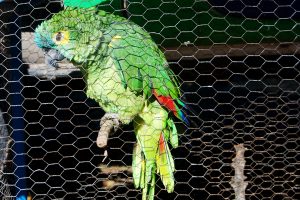
A yellow-faced parrot was admitted to the Wildlife Care Center of Valle de Aburrá, Colombia, after spending over three decades in captivity. The lack of freedom left visible traces: a deformed beak, nails overgrown and chronically swollen feet.
The bird, belonging to a protected species in Colombia, arrived with its health deteriorated by confinement and an inadequate diet. Confinement prevented it from naturally wearing down its nails and beak, causing severe physical and mobility alterations.
In addition to physical damage, the inability to develop natural behaviors affected its emotional well-being. The veterinary team found signs of stress, such as feather loss, scaly skin, and abscesses on its limbs.
These cases reflect the suffering that many wild animals experience in human hands, even when there is good intentions.

Wildlife Trafficking: a Persistent Threat
Since 2024, the Center has received 748 parrots of different species, with over half due to trafficking or illegal possession. The yellow-faced parrot leads this concerning statistic with 385 registered cases.
Captivity disrupts the ecological role of these birds, which in the wild disperse seeds and maintain forest balance. Confining them limits their physical development and social interaction, causing irreversible damage.
Environmental authorities remind us that parrots are not pets. Their place is in the trees, not in cages. Citizen reporting and environmental education are key to stopping this cycle of suffering. Releasing them is protecting biodiversity and giving them back the life that belongs to them.
Why are parrots one of the most affected birds by species trafficking?
The trafficking of parrots has increased in recent years due to their colorful plumage, ability to mimic sounds, and apparent docility, making them desired pets. However, this demand feeds illegal networks that extract specimens from their natural habitats, often violently.
Lack of awareness about the harm caused by their captivity also contributes to the problem. Many people are unaware that these wild animals require specific conditions to survive and that their confinement causes physical and emotional suffering.
Additionally, limited surveillance in rural areas and inadequate sanctions for these crimes allow illegal trading to persist. As long as the demand and risk perception remain low, parrots will continue to be victims of an industry that threatens their survival.



