



So far this year, the province of Santa Fe has released 359 wild animals as part of a sustained strategy of rescue, rehabilitation, and reintegration. These actions were carried out through the Ministry of Environment and Climate Change, focusing on the conservation of the native fauna.
The specimens were mostly rescued from illegal trafficking, pet trade, and unauthorized ownership. After their recovery at the “La Esmeralda” Rescue Center, they were returned to their habitat under controlled and monitored conditions.
These new releases added to the over 500 carried out in 2024, consolidating an ecological intervention model that prioritized ecosystem restoration and environmental health. The reintroduced species included birds, mammals, and small marsupials, all key to the functional structure of habitats.
Each reintroduced individual not only represented a victory for local biodiversity but also an indicator of the provincial commitment to protecting native fauna.
 Capybaras are among the wild animals returned to their habitat.
Reintroduction as a tool for the conservation of wild animals
One of the most significant actions of the year took place during the 5th National Wetlands Forum, held in Villa Ocampo. There, 14 greater rheas, 13 white-browed meadowlarks, 4 green-backed meadowlarks, and 8 coatis were released, all rehabilitated according to current veterinary and ethological protocols.
Also, five capybaras victims of the pet trade and several howler monkeys from the Mendoza Ecopark were reintroduced. This transfer was possible thanks to an interprovincial agreement, which allowed for a coordinated intervention between jurisdictions.
Flocks of birds captured from illegal trade, along with weasels and other smaller species, completed the restored groups. These actions strengthened the role of the “La Esmeralda” center as a national reference in wildlife recovery, articulating science, animal welfare, and public policies.
An integral approach to biodiversity
The Santa Fe Ministry of Environment also promoted measures to prevent road accidents involving wildlife. In May, it presented the first map of critical animal roadkill zones, developed with official data, citizen science, and academic studies.
The objective was to implement solutions such as wildlife crossings, signage, and specific plans to conserve biological corridors. This line of work aimed at reducing habitat fragmentation and minimizing impacts on wildlife in the context of climate change.
With this approach, Santa Fe consolidated an environmental policy that not only responded to emergencies but integrated technical knowledge and territorial management to ensure a more resilient future for wildlife.
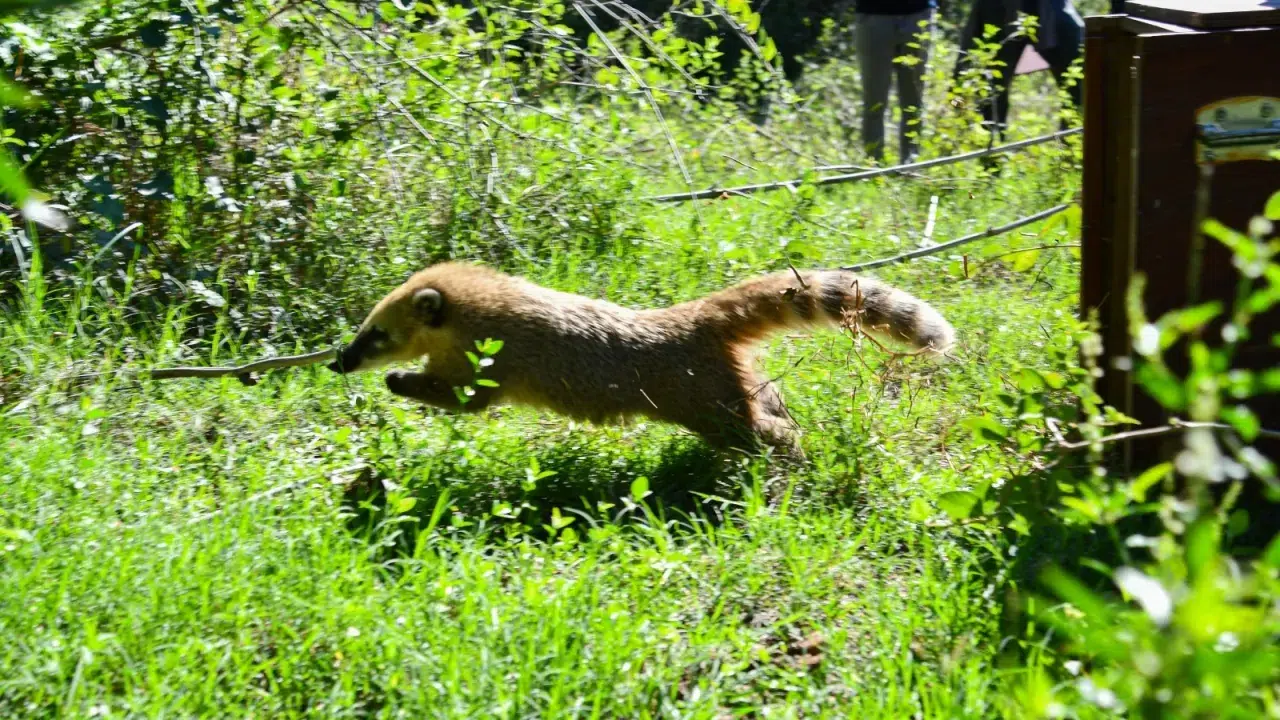 Coati. Photo: Reconquista Hoy.
Returning to the origin: the key to restoring wildlife
The reintroduction of animals into their natural habitat represented an essential step to guarantee their well-being and the stability of ecosystems. The rescued specimens, after overcoming physical and behavioral rehabilitation processes, regained behaviors necessary to survive in the wild, such as searching for food or avoiding predators.
This return to the natural environment allowed for the reestablishment of fundamental ecological relationships, such as seed dispersal, population control, and trophic chain balance. Animals like birds, mammals, or reptiles, upon returning to their ecological niche, contributed to reactivating vital dynamics for the health of native environments.
Moreover, reintroducing wildlife into the wild reduced the impact of practices such as the pet trade and illegal trafficking, sending a clear message about the importance of respecting wildlife. Each release meant an ecological and cultural restoration that strengthened the bond between human communities and nature.



