



Two recent raids in La Plata and Chaco revealed a concerning reality: the trafficking of exotic birds remains active and threatens not only protected species, but also the ecological balance of the country. In both cases, the confinement conditions and mistreatment were key to taking legal action against those responsible.
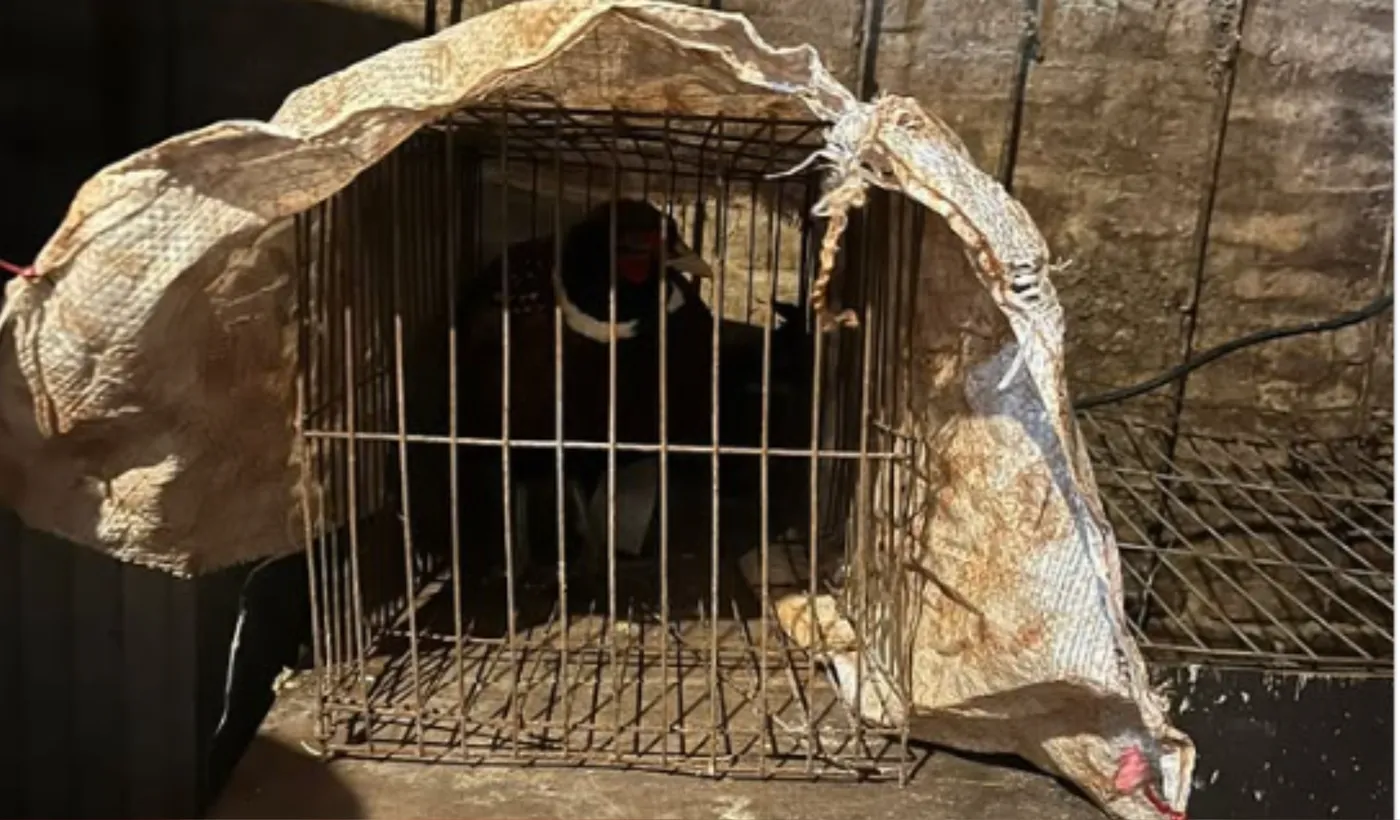
In La Plata, an operation in the Aeropuerto neighborhood ended with the arrest of a man and the rescue of 20 caged birds without minimum health conditions. The intervention was the result of investigations into illegal wildlife trade, supported by the Ecological Police and the Superintendence of Safety Siniestral.
The birds, some native and others exotic, were kept in cramped spaces, without water or veterinary care. Among the specimens found were cardinals, goldfinches, blackbirds, and black-capped warblers, all protected by conservation laws.
The detainee was charged with animal abuse and violation of environmental protection regulations. Authorities do not rule out a possible connection to larger trafficking networks.
A clandestine practice with serious consequences
In Chaco, the Las Palomas neighborhood was the scene of another raid, where more than 100 birds of different species were rescued and signs of illegal breeding were detected. The operation, led by the Rural and Environmental Investigation Prosecutor’s Office, found makeshift cages, chicks, and eggs stored in precarious conditions.
The animals showed signs of malnutrition and stress, prompting their immediate transfer to the Municipal Zoo of Roque Sáenz Peña for recovery. A dog with evident signs of mistreatment was also found, expanding the charges for cruelty to animals.
Among the confiscated birds were lovebirds, Australian parakeets, thrushes, cockatoos, cardinals, and species in the reproduction stage. This reinforces suspicions that the place functioned as a clandestine breeding and commercialization center.
 Six out of ten wild animals retained for illegal trade in Argentina are birds. Photo: Aves Argentinas</caption]
Bird trafficking: wildlife and ecosystems at risk
The illegal capture and possession of wild birds has profound ecological impacts. Many of these species play fundamental roles in their habitats, such as seed dispersal or pest control, and their disappearance alters local biodiversity.
Furthermore, stress and confinement conditions can cause diseases that spread among specimens and, in some cases, also affect other species or even humans. This practice, in addition to being cruel, entails health and environmental risks.
Authorities insist on reporting wildlife trafficking and remind that buying wild animals promotes a chain of suffering and environmental damage. Laws exist, but only with awareness and citizen action can we stop this invisible threat that devastates our ecosystems.



