



The conservation of wildlife in San Luis is evidenced by concrete actions.
In recent weeks, the Wildlife Conservation Center (CCVS) has taken in three new specimens under its care. A collared peccary, a caracara with a serious wing injury, and a puma fawn, which has been in the process of recovery since early July.
These admissions add to the intense work that the CCVS has been carrying out for over a decade, with the mission to rescue, rehabilitate, and reintegrate native species into nature that have suffered some form of threat or damage, often caused by human action.
An injured caracara fights to fly again
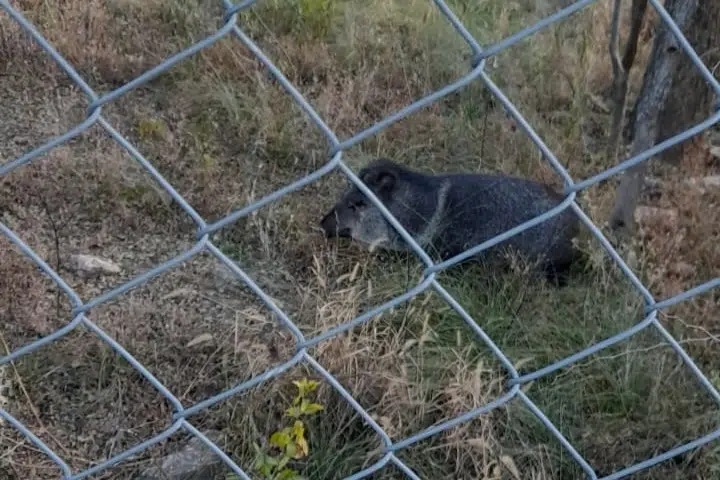 The collared peccary.
The caracara (Caracara plancus) was found in San Francisco del Monte de Oro with a deep wound on one of its wings, the result of a deliberate attack.
It was rescued by the Environmental and Ecological Police along with the Volunteer Firefighters of the area, and transferred to the CCVS for specialized veterinary care.
Although the injury severely affects its flying ability, the medical team remains hopeful of achieving its full rehabilitation so it can return to its habitat. This species, common on routes and roads in San Luis, plays an important role as a scavenger and controller of small fauna.
Imprinted collared peccary undergoing recovery
The second admission is that of a collared peccary (Pecari tajacu), a native omnivorous mammal that arrived at the center through voluntary surrender. The specimen shows signs of imprinting with humans, complicating its immediate reintegration into the wild environment.
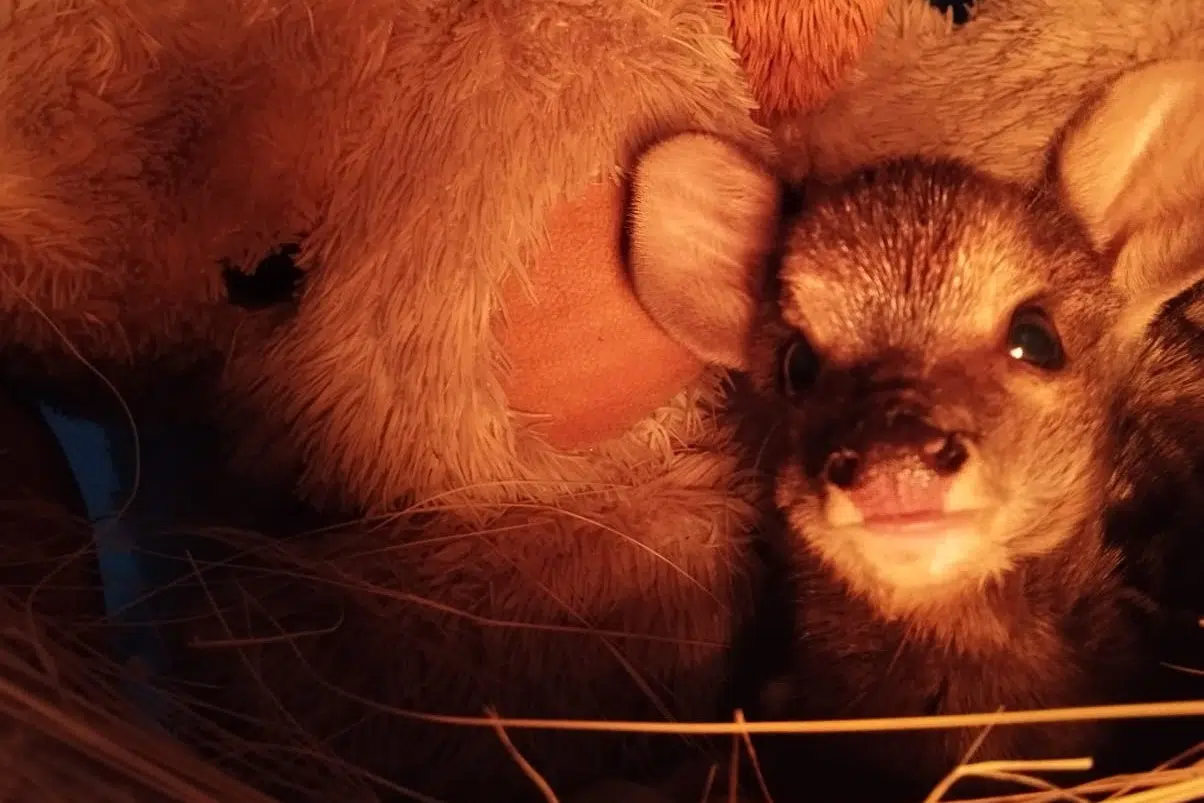 Wildlife rescue.
Currently, it is undergoing a process of physical and behavioral rehabilitation, with the intention of reversing its dependence on humans.
Peccaries are social animals, living in groups, and playing a fundamental role in ecosystems as seed dispersers and consumers of plants, insects, and small animals.
The puma continues its recovery with special care
Also under observation is a puma fawn (Mazama gouazoubira), popularly known as sachacabra. Rescued in early July, it is in a delicate rehabilitation process.
Its care includes constant monitoring of body temperature, weight, and feeding, in addition to a strict human distancing protocol to prevent imprinting.
One of the major threats that wild deer face during rescue is capture myopathy, a severe muscular condition caused by stress and handling, which can be lethal.
Therefore, each step of the treatment is carried out with extreme care and under professional supervision.
Rescued species and their main characteristics
-
Caracara: a large raptor bird (up to 60 cm long and 1.6 kg in weight), recognizable by its dark brown plumage and reddish skin around the beak. It feeds on carrion, insects, and small animals. Nests in trees and is often seen along roadsides feeding on roadkill.
-
Collared peccary: a dark-furred mammal with a white collar, lives in groups and has a defensive behavior. It is omnivorous and territorial, communicating through sounds and pheromones. Plays an essential ecological role in native forests.
-
Puma fawn: a solitary and timid deer, inhabitant of native forests and peri-urban areas. Its health is often compromised by the stress of capture. It is common to see them crossing rural roads, exposing them to collisions.



