



Brazil has become the 45th country to ban animal testing for cosmetics, personal hygiene, and perfumes. With over 1.6 million citizen signatures and the support of civil society, the new law marks a turning point in animal welfare.
The approval of Bill 3062/22 by the Chamber of Deputies establishes the total ban on the use of live vertebrates in cosmetic testing. Additionally, it prohibits the commercialization of products or ingredients tested on animals, except for regulated exceptions.
If a brand falls under these exceptions, it cannot claim to be cruelty free or use labels like “not tested on animals”. The measure aims to ensure transparency and a genuine commitment to animal welfare.
This advancement consolidates years of struggle by organizations and activists who managed to revive a project presented in 2013 and stalled for almost a decade.

A Victory Resulting from Social Commitment in Brazil
The global campaign, driven by NGOs and reinforced with initiatives like the animated short film #SaveRalph, managed to capture worldwide attention. Over 150 million people watched this material that exposed the cruelty of animal testing.
The massive support and perseverance of organizations like Te Protejo and Humane World for Animals were crucial. This achievement not only benefits animals in Brazil but also reinforces the global trend towards more ethical practices in the cosmetics industry.
This is the fourth approved project in Brazil for the benefit of animals used in cosmetic testing. With the new law, the suffering of hundreds of thousands of individuals subjected to cruel and unnecessary experiments will be avoided.
Alternative Methods to Cosmetic Animal Testing are Already a Reality
Animal testing includes painful practices such as ocular irritation, dermal corrosion, and acute toxicity, often without any pain relief. These procedures cause irreversible wounds and even death.
However, modern scientific alternatives demonstrate that it is possible to do without animals. Computational models, cell cultures, and 3D bioprinting offer more precise, safe, and ethical methods for product evaluation.
Brazil now joins countries in Latin America like Mexico, Colombia, Chile, and Ecuador, consolidating a region that advocates for cruelty-free innovation. Ethical commitment becomes a new standard for the global cosmetics industry.
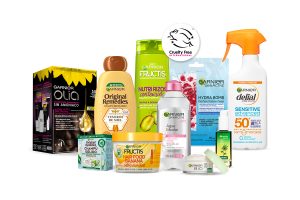
How to Recognize a Cruelty-Free Product?
Cruelty-free products not only avoid animal testing but also do not use ingredients previously tested on animals. To identify them, you can look for recognized certifications like Leaping Bunny, PETA, or Cruelty Free International.
These labels guarantee that neither the products nor their components were tested on animals at any stage of their development. It is important to always verify that the brands are registered on official lists or specialized websites.
Some recognized cruelty-free brands are Lush, The Body Shop, Natura, Garnier, and Herbal Essences. These companies work with safe ingredients and alternative methods, demonstrating that beauty does not have to involve suffering.
The Challenge Now is Implementation
The Brazilian law must be officially sanctioned, and regulatory agencies like ANVISA will have up to two years to establish regulations to ensure compliance.
Among their tasks will be the validation of alternative methods and effective monitoring of company practices. This regulation will be essential to ensure that the law has a real impact on the industry.
The path towards a cruelty-free cosmetics industry is irreversible. With Brazil’s example, other countries can join the change, building a future where science and ethics go hand in hand.



