



Free veterinary care adds a new space in Mendoza. The municipality of Maipú inaugurated its first Primary Veterinary Care Center, designed to provide essential services to dogs and cats. This initiative aims to strengthen responsible pet care and bring animal health closer to the community.
The new center will operate in Coquimbito, offering free services on a first-come, first-served basis. It will provide services such as basic clinical consultations, sterilizations, deworming, and vaccination, all aimed at prevention and animal well-being.
Located at Manuel Díaz 1555 alley, it will be open Monday to Friday, from 8 am to 1 pm. In addition to clinical care, samples for trichinosis studies will be received, adding a key service for public health and zoonotic control.
This space is integrated into the municipality’s Zoonosis area and aims to complement the work of the mobile operating room, strengthening the local health strategy and promoting communal care of domestic animals.
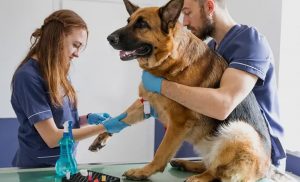 Maipú opens a municipal veterinary center.
An integrated proposal for animal health
The center has a consultation room, operating room, waiting area, and animal hygiene space. It also has an administrative area and a proper waste management system, in conjunction with the company Sustenta and the municipal collection service.
Among its main services are orientative clinical consultations, administration of rabies vaccines, pipettes for external parasites, surgical sterilization, and rabies observation.
Furthermore, the space allows reinforcement of prevention campaigns, raising awareness among the population about the importance of animal health in environmental and community health.
The municipality highlights this progress as a concrete tool to promote the well-being of pets, facilitate access to veterinary care, and reduce issues such as abandonment or uncontrolled animal proliferation.
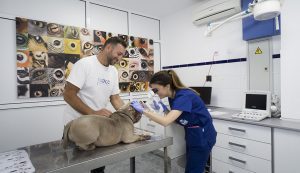 The city of Mendoza will have free clinics to address animal health.
The social and environmental role of public veterinary care
Municipal veterinary centers play a key role in community health management, offering free services that contribute to population control and the prevention of zoonotic diseases.
These actions help ensure animal welfare, prevent disease transmission to people, and strengthen education on responsible pet ownership.
They also allow addressing environmental issues related to animal abandonment and overpopulation, promoting respectful and healthy coexistence between human communities and their companion animals.
The Primary Care Center in Maipú thus joins a growing trend in municipalities to invest in public services that positively impact health, environmental education, and quality of life in communities.



