



A new scientific initiative is radically changing the issue of cigarette butts, one of the most abundant toxic waste in the urban landscape.
A research team from the universities of Granada (Spain) and Bologna (Italy) has developed a technology to incorporate recycled cigarette butts into asphalt production, with benefits in both structural resistance and environmental impact.
The proposal aims to reduce soil and water pollution caused by the toxins from cigarette butts by integrating them as a technical additive in bituminous mixes, instead of letting them degrade in public spaces.
## Pellets reinforced with technical waxes and plant fibers
The system focuses on reusing the unburned section of the butt, rich in cellulose fibers and biodegradable plastics such as PLA. This fraction is turned into pellets through an industrial process, which includes:
– Mixing with Fischer-Tropsch waxes
– Pressing and controlled heating
– Cold cutting
The burned part (ashes and combustion residues) is discarded due to its low technical value and potential contamination.
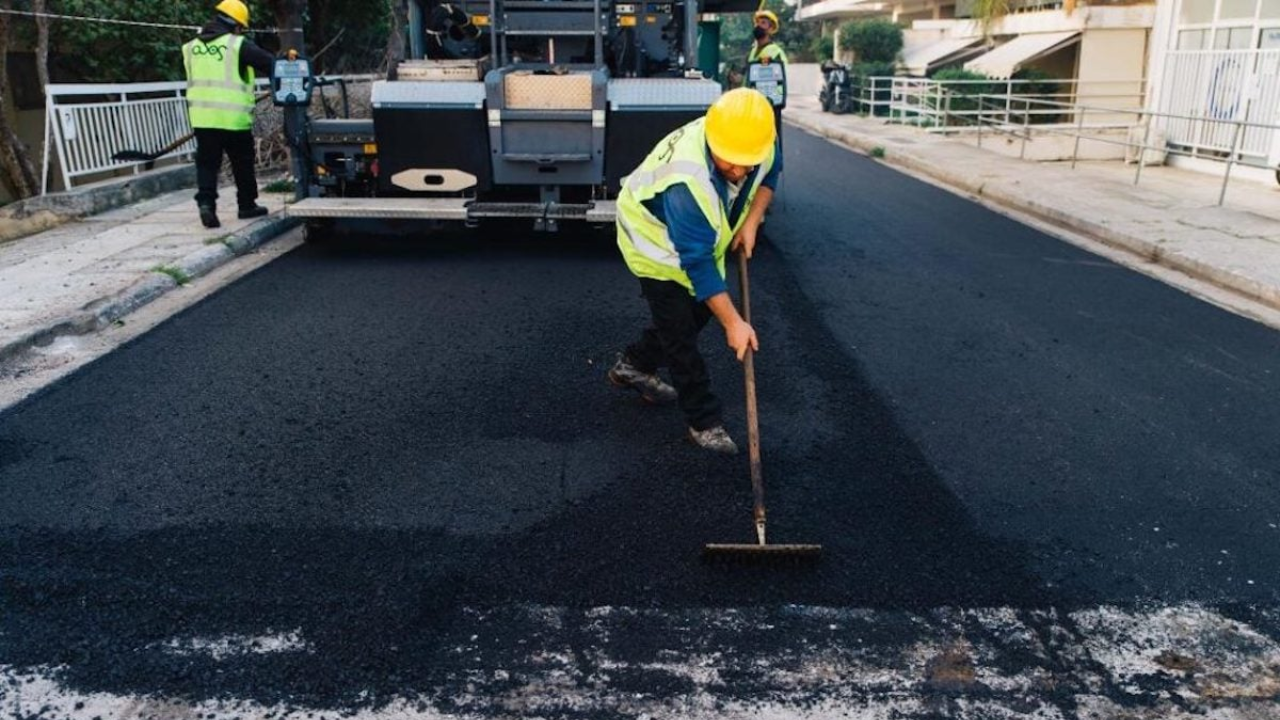
When integrated with hot asphalt, the pellets release structural fibers that reinforce the pavement and act as complementary binding agents, increasing the durability and elasticity of the pavement.
## Proven technical and environmental advantages in the laboratory
Tests carried out at the UGR Building Engineering Laboratory (LabIC.UGR) showed that the new material has:
– Greater resistance to cracks from traffic or thermal changes
– Reduced bitumen viscosity, thanks to the waxes used
– Lower manufacturing temperature, resulting in energy savings and lower emission of polluting gases
These advances are particularly relevant in a sector historically marked by its high carbon intensity, such as road construction.
## European projection and circular economy in motion
Several local governments in Europe are considering integrating this technique into urban street rehabilitation pilot projects, especially in areas with high levels of traffic and air pollution.
In addition to using cigarette butts, the system allows for an increase in the percentage of recycled materials in the mix, also incorporating fragments of deteriorated pavement, without compromising the structural quality of the new pavement.
## Cigarette butts: from toxic waste to urban resource
If applied on a large scale, this technology could remove millions of cigarette butts from the urban environment, reduce the environmental footprint of road construction, and promote a true circular economy, where waste becomes functional raw material.



