



The presence of venomous species in urban and rural areas of Uruguay raises health and environmental concerns. So far this year, the Ministry of Public Health has recorded 37 cases of bites and dangerous bites from spiders and snakes. Although deaths are very rare, exposure to these animals is increasing due to the expansion of human settlements and the loss of natural habitats.
Among spiders, the brown recluse spider stands out as the most dangerous. Small, brown in color, and hard to detect, it tends to hide behind furniture, paintings, or shoes. Its bite is responsible for the majority of accidents in the country. Other species such as the black widow and the banana spider also pose a risk, although they are less common.
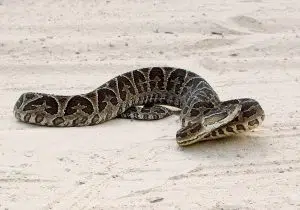
Regarding snakes, four species attract the most attention: coral snake, yarará, rattlesnake, and coral snake. All of them have potentially lethal venom and are usually more active in warmer months. Most of the reported incidents are linked to yararás, which inhabit hills and mountains, and to coral snakes, more common in low-lying and humid areas.
The impact of these bites is greater on children, who present more severe symptoms and require urgent medical attention. Preventive education in both rural and urban areas is key to avoiding risks and reducing the consequences.
A Threat Linked to the Environment
The increase in cases is not only explained by the natural presence of these species, but also by ecological factors. Urbanization in wild areas, deforestation, and climate change alter the behavior of animals, forcing them to approach human environments in search of shelter or food.
Specialists agree that coexisting with these species requires comprehensive conservation measures. Reducing habitat alteration, protecting ecosystems, and promoting informational campaigns help decrease the number of accidents.
In this sense, biodiversity plays a central role. Spiders and snakes are natural regulators of insect and rodent populations, contributing to the balance of ecosystems. Indiscriminate elimination of these species can cause imbalances that, in the long term, impact environmental health.
Furthermore, climate change is altering the activity cycles of these animals, which find more favorable conditions to expand their presence in warmer temperatures. This poses an additional challenge for healthcare systems and rural communities.
How to Act in Case of Bites and Stings
Knowing how to respond to a bite or sting can make a difference. There are basic steps that can buy time until reaching a healthcare center.
If bitten by a brown recluse spider or other venomous species:
- Stay calm and avoid sudden movements that could accelerate venom circulation.
- Do not apply home remedies or make incisions in the wound.
- If possible, capture the animal in a container for species identification.
- Seek immediate medical attention at a hospital for specialized treatment.
If bitten by a snake:
- Do not suck the bite wound or make incisions.
- Keep the affected area clean, do not apply mud, kerosene, or other products.
- Immobilize the bitten area and transport the person immediately to a medical center.
- Treatment usually involves intravenous anti-venom application available in hospitals.
The main recommendation is not to waste time on homemade procedures. Immediate medical attention is the only safe way to neutralize the effects of venom.
 Bites from some species of spiders and snakes are considered dangerous stings. Photo: Unsplash.
An Inevitable Coexistence
Although accidents involving dangerous bites cause alarm, coexisting with these species is part of the ecological reality of the country. Understanding their habits, respecting their place in nature, and acting responsibly in their presence are fundamental steps to reduce risks and protect biodiversity.
Environmental education and prevention remain the most effective tools for safely coexisting with snakes and spiders. Understanding that their role in ecosystems is essential helps change the perspective: they are not enemies to be eliminated but species with which we must learn to coexist in an informed and conscious manner.



