



The National Service of Agri-Food Health and Quality (SENASA) confirmed five outbreaks of highly pathogenic avian influenza so far in 2025. According to the National Epidemiological Bulletin, the disease mainly affected domestic and backyard birds in different provinces, with no human cases reported so far.
The first outbreak was detected in February in Chaco, in the Maipú department. In July, another outbreak impacted the town of Lezama in Buenos Aires. August brought three new notifications in the province of Buenos Aires: Navarro, Arrecifes, and Los Toldos. In the latter case, the influenza reached a commercial production establishment.
Samples confirmed the circulation of subtype H5, clade 2.3.4.4, a highly pathogenic variant causing high mortality in birds. SENASA laboratories verified the results, activating emergency health protocols in each outbreak.
Epidemiological surveillance included monitoring 41 people who had been in contact with infected birds. All of them were monitored for ten days, with no infections confirmed. So far, suspected cases have been ruled out through analyses carried out in specialized centers.
 New vectors of avian influenza discovered.
What is avian influenza and how is it transmitted
Avian influenza is a viral disease that mainly affects wild and poultry birds. Some subtypes, such as H5 and H7, are considered highly pathogenic as they cause severe and rapidly spreading cases. The H5N1 subtype, detected in Argentina, is the same that caused outbreaks in Asia in the nineties and later spread to other continents.
Migratory birds are the natural reservoir of the virus and the main vector of dispersion. When they come into contact with domestic birds, they facilitate transmission and generate local outbreaks. Since 2003, different variants have spread from Asia to America, confirming their presence in birds from the United States and Latin America.
Transmission to humans is rare and occurs only in contexts of direct contact with infected animals or contaminated surfaces. Poultry workers, breeders, and those handling dead birds are considered at risk. To date, sustained human-to-human transmission has not been reported, although international organizations maintain strict surveillance.
H5N1 viruses show great adaptability in birds, but their potential to infect human upper respiratory tracts remains very limited. However, the lethality in the few confirmed human cases worldwide is high, emphasizing the need to maintain active biosecurity protocols.
How to prevent avian influenza
Preventing avian influenza outbreaks is the most effective tool against the disease. The main recommendation is to avoid direct contact with sick birds, dead birds, or those displaying unusual behavior, both wild and domestic. Any findings should be immediately reported to SENASA to activate health control.
For those working on farms or involved in control tasks, the use of personal protective equipment is essential. Disposable coveralls, N95 masks, goggles, boots, and gloves are recommended. These measures significantly reduce the risk of exposure.
Consuming poultry meat, eggs, or derived products does not pose a danger, as long as hygiene and cooking standards are respected. Nevertheless, authorities insist on not handling suspected animals without protection and on keeping breeding spaces clean and disinfected.
In some cases of direct and prolonged exposure, preventive administration of antivirals such as oseltamivir is considered, under strict medical supervision and in coordination with health authorities.
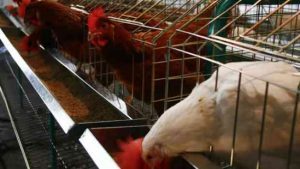 Measures against avian influenza in New York.
A regional challenge
Avian influenza outbreaks do not respect borders and affect all of America. Between 2023 and 2025, hundreds of bird outbreaks and 75 confirmed human infections were recorded, mostly in the United States. Although person-to-person transmission is not sustained, the global lethality rate is around 48%.
This situation reinforces the need for coordinated strategies among countries to protect both poultry production and the biodiversity of wild birds. Argentina, with the Esteros del Iberá and other key wetlands, is at a sensitive point for the passage of migratory birds, requiring reinforced controls.
Responding to avian influenza involves not only acting in emergencies but also sustaining awareness campaigns. Environmental education and biosecurity on farms are crucial to halt the spread of a virus that threatens both animal health and the stability of ecosystems.


