



In an action that exposes the harsh reality of wildlife trafficking, ten cheetah cubs were rescued in Somaliland, a region in the Horn of Africa that has become a key route for illegal wildlife trade.
The animals, kept in captivity since birth, were being prepared for international sale as exotic pets.
Critical condition and gradual recovery of the cheetah cubs
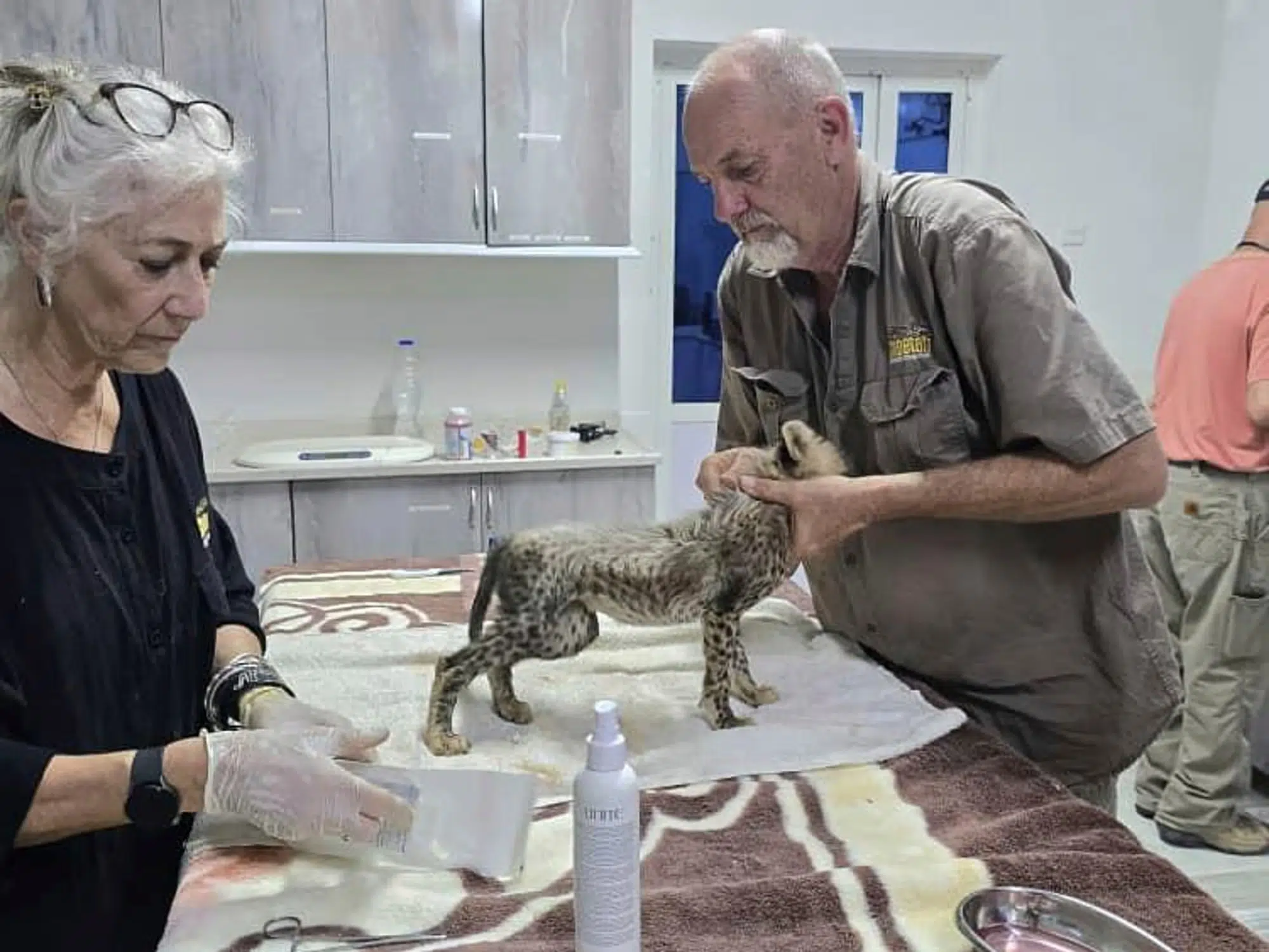
The specimens were transferred to the Cheetah Conservation Fund (CCF), where they receive specialized care. Its founder, Laurie Marker, reported that although they are stable, they show severe signs of abuse: limping, sores, skin infections, and cases of extreme malnutrition.
One of the cubs, only eight months old, could not walk after being tied up for six months. Another, five months old, was described as “a bag of bones”, with larvae under the skin and multiple wounds. Feeding must be done gradually and controlled to avoid refeeding syndrome, similar to that affecting people who have suffered from starvation.
Operation in Sallahley and call for citizen reporting
The rescue took place on August 14th in the district of Sallahley, in northern Somaliland. During the operation, two individuals who were keeping the cheetahs in poor conditions were detained. Local authorities urged the population to report any suspicious activity related to wildlife trafficking.
According to Abdinasir Hussein Said, director of the Ministry of Environment, these cubs add to over 100 animals rescued in similar operations in the region, highlighting the magnitude of the problem.
The Horn of Africa as a wildlife trafficking corridor
Somaliland has become a strategic transit point for illegal wildlife trade. Hundreds of cheetahs and leopards are captured in the Horn of Africa and sent to Gulf countries through the Gulf of Aden, where there is a growing demand for exotic pets.
The possession of wildlife is illegal in Somaliland, and the police carry out periodic interventions against suspicious traders. However, the volume of trafficking continues to rise, driven by cultural and economic factors.
Ecological impact and animal suffering
Specialists warn that this practice not only endangers vulnerable species but also seriously affects local ecosystems, disrupting the natural balance and reducing biodiversity.
In addition to environmental damage, the emotional suffering of the animals is profound. “We can imagine the distress of a mother separated from her cubs,” expressed Hussein. “This type of stress can even lead to the death of the mothers. That is why protecting wildlife in their natural habitats is an ethical and ecological priority”.
An urgent call for responsible conservation
Conservationists in the Horn of Africa insist on the need to strengthen conservation policies, educate local communities, and reduce international demand for wild animals as pets.
The fight against wildlife trafficking requires coordinated actions, public awareness, and institutional commitment.
Cover photo: AP



