



The massive deforestation of tropical forests not only accelerates climate change: it is also causing an increase in mortality due to extreme heat.
This is demonstrated by a research published in Nature Climate Change, which estimates that more than 300 million people are already exposed to high temperatures due to the loss of vegetation cover, with an excess of 28,000 annual deaths attributable to this phenomenon.
Forests as thermal regulators: the immediate impact of their disappearance
The study, led by Dr. Carly Reddington and Prof. Dominick Spracklen from the University of Leeds, analyzed deforestation in Latin America, Africa, and Southeast Asia.
The results are compelling: in areas where trees were cut down near urban centers, local warming intensified rapidly, affecting millions of people in countries such as:
- Indonesia: 48 million exposed
- Democratic Republic of the Congo: 42 million
- Brazil: 21 million
“Forests cool the local climate by pumping water from the ground into the atmosphere. When we cut down the trees, we stop that process and the environment heats up immediately,” explained Spracklen.
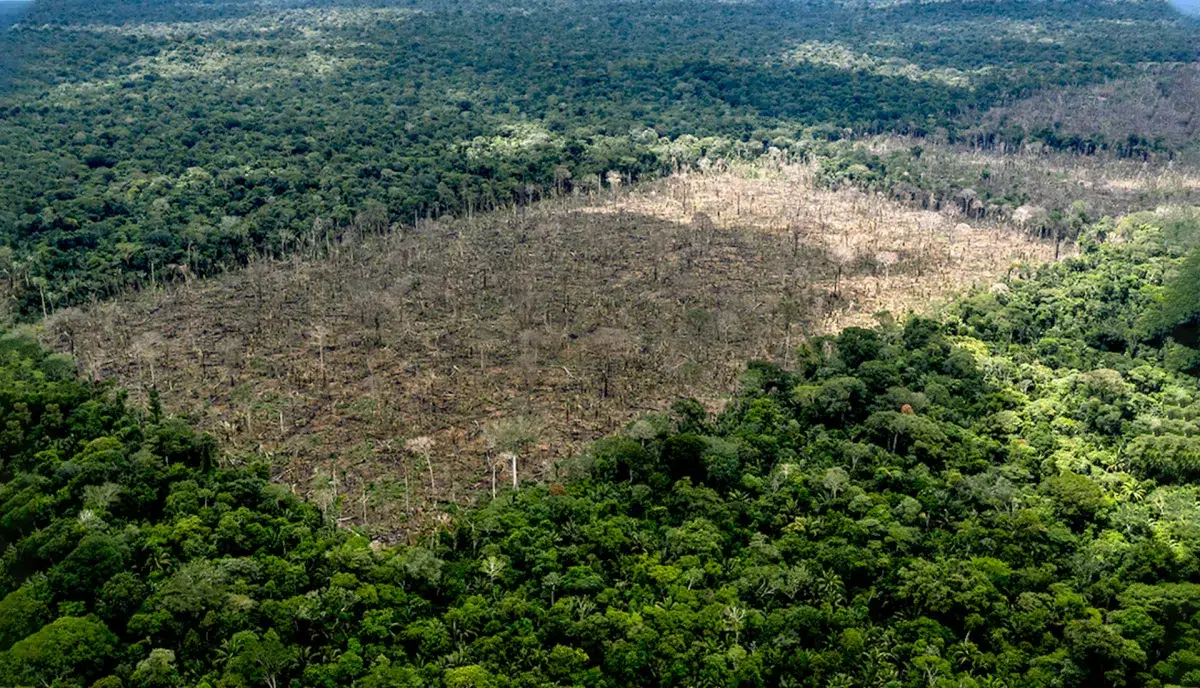 The issue of deforestation of tropical forests</caption]
A global problem rooted in intensive agriculture
A recent report by the World Resources Institute (WRI) and Google DeepMind revealed that 34% of forests lost between 2001 and 2024 will not regenerate naturally.
The main cause: intensive agriculture, which accounts for 95% of permanent deforestation.
Europe under scrutiny: regulatory delays and high-impact products
The European Union is facing criticism for delaying the implementation of its Deforestation Regulation, which requires suppliers of raw materials such as palm oil, beef, timber, and coffee to demonstrate that their products are not linked to illegal logging. The regulation, initially set for late 2024, has been postponed:
- Large companies: until late 2025
- SMEs: until 2026
This delay allows products associated with deforestation to continue entering the European market without effective controls. An investigative report revealed that five shipping companies transported over 500,000 tons of meat and leather from Brazilian slaughterhouses linked to deforestation between 2021 and 2022.
Beyond heat: deforestation and public health
Tropical forests not only regulate temperature: they also filter pollutants, reduce smoke from fires, and protect human health. Deforestation is associated with:
- Regional air pollution
- Increased risk of malaria
- Overburdened healthcare systems
- Increased mortality from various causes
An urgent call: protect forests to protect lives
Science warns that without concrete measures, tropical communities will face increasingly hostile conditions.
“More than a third of heat-related deaths in deforested areas are directly associated with tree loss,” the authors conclude.
The research underscores the urgent need to halt tropical deforestation, not only for its climate impact, but for its direct consequences on human health. Without effective protection of existing forests, millions of people will continue to be exposed to extreme temperatures, polluted air, and degraded ecosystems.


