



The Government of Santa Fe intervened in the 9 de Julio department to stop the illegal deforestation of nearly 50 hectares of native forest of maximum priority conservation.
The responsible company, which had also started works without the corresponding environmental authorizations, was criminally denounced and the property was closed.
A company deforested a protected area and began construction without the mandatory approval of its Environmental Impact Assessment (EIA).
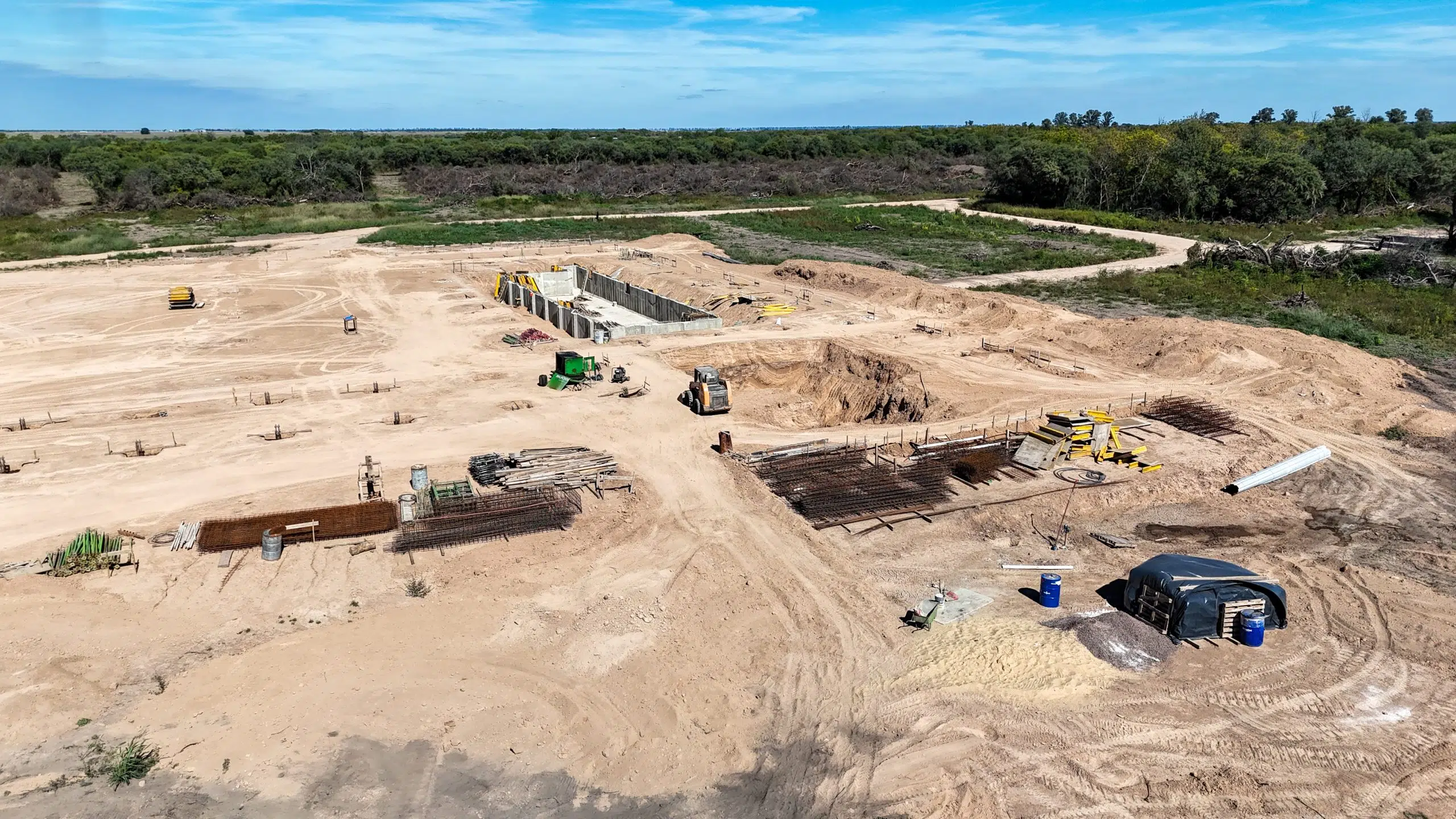
Upon verifying the infraction, the Ministry of Environment and Climate Change of the Province of Santa Fe ordered the immediate cessation of the clearing, closed the property, halted the project, and filed a formal complaint with the Justice.
“You cannot establish an industry without managing the permits required by the province, nor act without environmental responsibility. When rules are broken, there are consequences. In Santa Fe, we promote production and work, but always within the framework of the law,” said the Minister of Environment and Climate Change, Enrique Estévez.
Detection and institutional response in priority conservation
The case came to light thanks to a notification from the National Deforestation Early Warning System. Following this alert, the Ministry initiated actions that allowed them to identify the company Algoservicio S.A., engaged in cotton clearing, as the owner of the property.
During the process, the company itself admitted to having cleared 47.5 hectares and begun construction for a cotton plant without the required environmental authorizations. After the relevant findings, the province decided to bring the case to court.
The sanction was the result of joint work between the Biodiversity Secretariat, acting under the Provincial Native Forest Law, and the Environment Secretariat, which noted the construction without the Environmental Impact Assessment, a key tool for assessing risks and ensuring sustainable development.

A precautionary measure orders the total prohibition of activities
The Ministry’s complaint led the General Attorney of the Supreme Court of Justice of Santa Fe to promote an environmental collective protection action against the company. Within this case, the District Civil, Commercial, and Labor Court of Tostado issued a precautionary measure ordering:
- The total prohibition of any type of intervention in the native forest located in the Logroño district, 9 de Julio department.
- The immediate removal of all machinery and construction materials on the property without permission.
- The company’s abstention from carrying out future actions in the area, as it is classified as Category I – Red Zone by Provincial Law No. 13,372, giving it the highest conservation value.

Protection of priority conservation forest as a state policy
This case highlights the importance of the National Forest Law (No. 26,331), which protects the most valuable ecosystems in the country. “Protecting the native forest of priority conservation is not a whim: it is about caring for biodiversity, water, soils, and the future life. In Santa Fe, we are committed to sustainable production that looks towards the future,” added Minister Estévez.
Caring for native forests is a legal and moral obligation, as well as a long-term productive strategy. Maintaining vegetation cover protects soils from erosion, preserves agricultural fertility, safeguards water, and mitigates the effects of climate change.
The Government of Santa Fe reaffirms that environmental care and compliance with the law are non-negotiable conditions for a production that drives human development, without compromising the future.
How the deforestation early warning system works
This system is a key tool for environmental protection in Argentina.
- Objective: Continuously detect the loss of native forests throughout the national territory.
- Methodology: It conducts constant monitoring based on automated processes with satellite images, which are then complemented with visual analyses by specialists.
- Results: It generates biweekly reports warning about risk situations, such as clearings or unauthorized interventions.
- Impact: Thanks to this tool, the control and surveillance capacity of provincial authorities is strengthened, receiving periodic alerts to act quickly. Furthermore, the system is freely accessible to the public, allowing civil society to actively participate in forest defense.


