



Argentina made a historic milestone by no longer having elephants in captivity for the first time in over a century. This was achieved with the transfer of Kenya, a six-ton African elephant who had lived for four decades in solitude at the Mendoza Zoo. Her final destination was the Global Elephant Sanctuary in Brazil, a natural space where she now begins to experience freedom.
The journey was made possible thanks to a law passed in 2016, which mandated the progressive closure of zoos and the transfer of exotic animals to sanctuaries or rescue centers. This regulation emerged in response to the growing social demand to end the suffering of species kept in artificial enclosures.
Kenya’s story reflects both the achievements and challenges of this transition. For years, she suffered physical and psychological consequences from captivity, including leg problems, muscle loss, and traumas derived from loneliness. The rehabilitation process at the Brazilian sanctuary now aims to reverse some of this damage, giving her back the opportunity to socialize and move in a natural environment.
Her case is also marked by the memory of other elephants in the country who did not complete the relocation process. Pelusa, Merry, Kuky, and Tamy passed away before reaching a sanctuary, highlighting the urgency to expedite transfers and improve living conditions for these at-risk animals.

A New Life
Today, Kenya is no longer alone. She lives with other elephants, roams extensive grounds, and enjoys instinctive practices like rolling in mud and grass. Her story symbolizes a profound change in how Argentina understands its relationship with exotic fauna: leaving captivity behind to embrace conservation and animal welfare.
The case of the elephants sparks a debate about the need to extend these policies to other species that still remain in zoos and private collections. The experience shows that freedom not only saves lives but also paves the way for a more respectful coexistence with the rest of biodiversity.
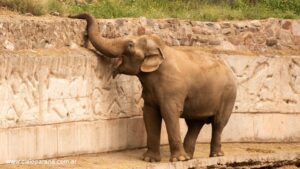 Kenya, the individual that put an end to elephant captivity in Argentina.
How Captivity Affects Elephants
Prolonged captivity leaves deep marks on elephants, one of the most social and complex species on the planet. In zoos and circuses, they often live isolated, without the opportunity to integrate into herds, leading to high levels of stress and stereotyped behaviors such as repetitive swaying or compulsive movements.
The limitations of space also result in severe physical problems. In the wild, an elephant can cover tens of kilometers daily, while in captivity, it barely moves a few meters. This causes premature wear on the legs, obesity, and muscle loss, reducing their life expectancy.
Additionally, the absence of environmental and social stimuli directly impacts their mental health. Captivity often leads to depression, anxiety, and difficulties in relating to other individuals even after being released. This is why sanctuaries play a crucial role by offering spacious, natural environments with the presence of other elephants, where rehabilitation becomes a second chance.



