



Although it is present in almost everything we use and consume, we rarely think of viscosity as a synonym for the quality of everyday products.
Whether it’s a moisturizing cream or a tomato sauce, the texture and sensation we perceive depend largely on this property.
To measure viscosity reliably, laboratories use tools such as the [rotary viscometer](https://www.ika.com/en/Products-LabEq/Viscosimetros-pg279/), which ensures that processes can be standardized and that the results obtained are always consistent.
In this article, we will see how measuring viscosity is not just a technical step, but the basis for the products obtained to meet consumers’ expectations, while also meeting industry standards.
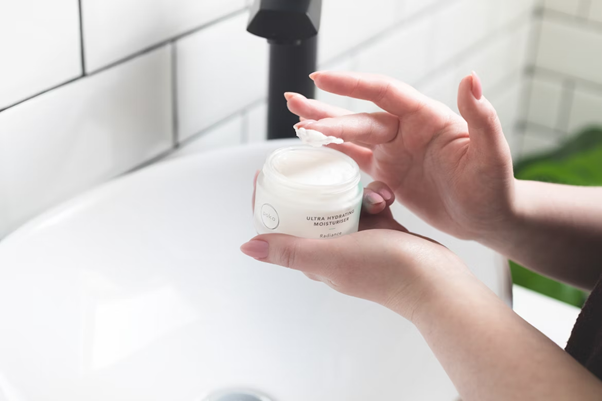
Photo by [Unsplash](https://unsplash.com/photos/eHE5l7cJVRY)
## What is viscosity and why does it matter
To understand it in a simple way, viscosity measures how easy or difficult it is for a liquid to flow. For example, oil, which is light, flows quickly on a surface, while honey does so more slowly.
That difference explains why this property is so key for sectors such as pharmaceuticals, food, or cosmetics.
Being able to control viscosity ensures uniformity among batches, which translates into confidence for producers and customers.
## Viscosity and consumer perception
Often, a product’s texture is what ultimately determines whether a customer chooses to repurchase it or not. Sometimes, a too runny cream can be perceived as ineffective, while a too thick sauce may be unappealing.
In this sense, we can say that viscosity directly influences visual appearance, the sensation when touched or consumed, and the product’s acceptance in the market.
For this reason, measuring this variable becomes as important as taste, aroma, or even effectiveness.
## Modern tools for measuring viscosity
Currently, laboratories have more practical and precise solutions than ever before. Viscosity measurement heavily relies on these digital equipment, as they can record the slightest changes and generate real-time reports.
For example, the rotary viscometer has become a standard because:
– It offers more reliable readings in different ranges.
– Allows working with samples of diverse nature.
– Integrates software for analysis and traceability.
With these types of instruments, the industry can not only measure how a product behaves in the hands of the consumer but also predict it.
## Quality control: beyond viscosity
While it is a central parameter, good quality control is not limited to measuring the fluidity of a liquid. In these cases, it also covers other aspects such as color, pH, or stability against heat. Thus, viscosity acts as a bridge, and if the results are not within the expected ranges, the formulation, production process, or even the supply chain can be reviewed.
In summary, measuring viscosity is not an end in itself, but rather a tool that helps detect inconsistencies before they reach the end customer.
## Challenges and solutions in production
Perhaps one of the great challenges of viscosity is to remain stable when factors such as temperature, pressure, or even storage time change. Sometimes a syrup thickens in winter, or a paint thins with heat, becoming a real problem.
But the good news is that there are simple and practical solutions to address it, such as:
– Implementing regular sampling protocols.
– Using frequently calibrated equipment.
– Opting for suppliers that offer technical support and training.
At this point, companies like IKA stand out by offering robust instruments that are easy to integrate into different work environments.
## In conclusion
If you think about it, viscosity is much closer to our daily life than we imagine. Its control makes the difference between a successful product and one that does not fulfill all promises. Therefore, to ensure consistency and confidence in the results, it is necessary to incorporate viscosity measurement as part of routine control.
Companies like IKA understand this very well and offer equipment such as the rotary viscometer, designed to address the current challenges facing the industry.
And you? Have you had experiences working with viscometers or adjusting the texture of your products? Tell us in the comments!



