



In Argentina, Waste Electrical and Electronic Equipment (WEEE) generates around 100,000 tons of plastics per year, but only 5% is recycled.
Facing this challenge, the SostRAEE project, promoted by the CONICET and led by researcher Yamila Vazquez, proposes an innovative solution: revalorizing these materials to create design and mass-use products under circular economy criteria.
From waste to resources: design with positive environmental impact
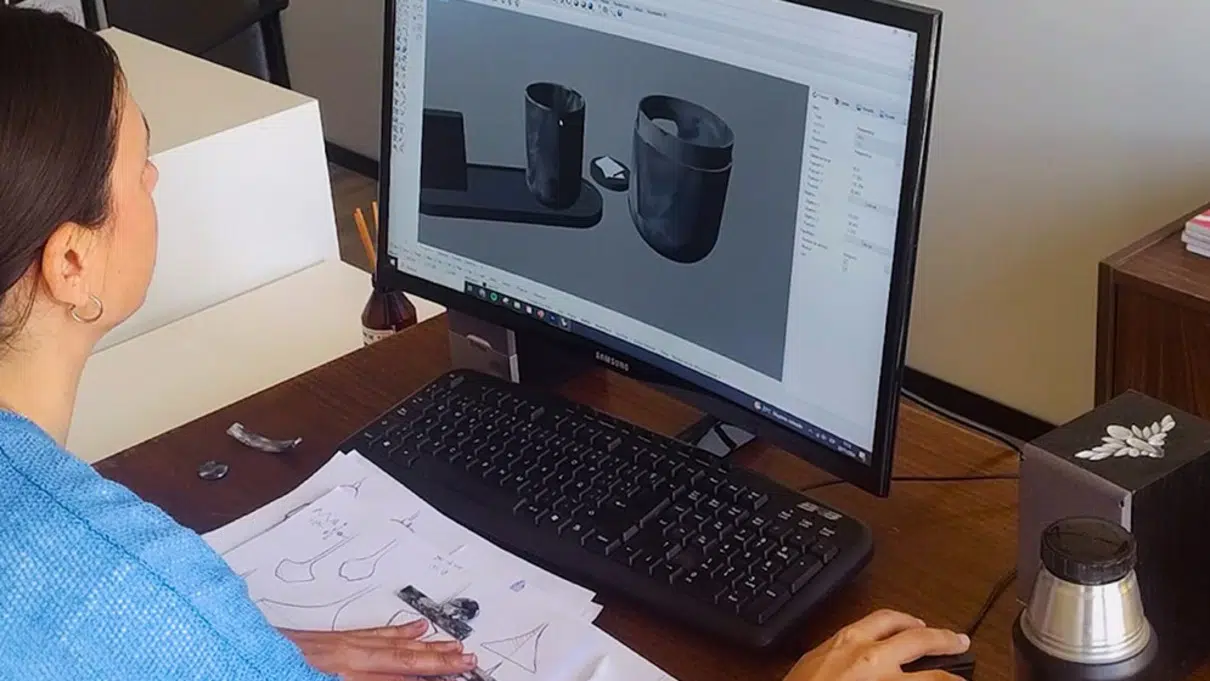
Objects such as furniture, lamps, urban furniture, and housings are born from recycled plastics with high added value.
SostRAEE transforms WEEE plastics into objects like:
- Furniture and lighting
- Casings for public lighting
- Electrical boxes and urban components
The initiative is developed in collaboration with Hi-Tech Factory and other companies, which validate the prototypes and ensure their applicability in real environments.
For Vazquez, this partnership demonstrates that sustainability and innovation can converge when there are shared goals.
International recognition and scientific cooperation
The project received the Senior Award in the Franco-Argentine Distinction in Innovation.
Thanks to its transformative approach, SostRAEE was honored in the 8th edition of the Franco-Argentine Innovation Award, organized by CONICET and the Institut français d’Argentine, with the support of TotalEnergies Argentina.
This recognition allows opening up new cooperation spaces, validating technologies, and promoting a more inclusive and circular economy.
WEEE: an environmental, health, and economic issue
Electronic waste contains toxic substances and valuable materials that require specialized management.
WEEE poses multiple risks:
- Environmental pollution: release of lead, mercury, and cadmium into water, soil, and air
- Emission of toxic gases: such as dioxins and furans from inadequate incineration
- Impact on human health: exposure to toxins affecting the nervous and reproductive systems
- Occupational hazards: especially in the informal sector, where children and pregnant women are more exposed
- Resource wastage: gold, silver, copper, and plastics that could be recovered
- Accelerated growth: driven by technological obsolescence and mass consumption
Infrastructure, legislation, and circular culture
Proper WEEE management requires public policies, investment, and environmental education.
To reverse this situation, it is crucial to:
- Develop specialized recycling infrastructure
- Strengthen environmental and health legislation
- Promote citizen awareness of the value of technological waste
SostRAEE positions itself as a replicable model that demonstrates how applied science can turn waste into solutions, integrating technology, design, and environmental commitment.



