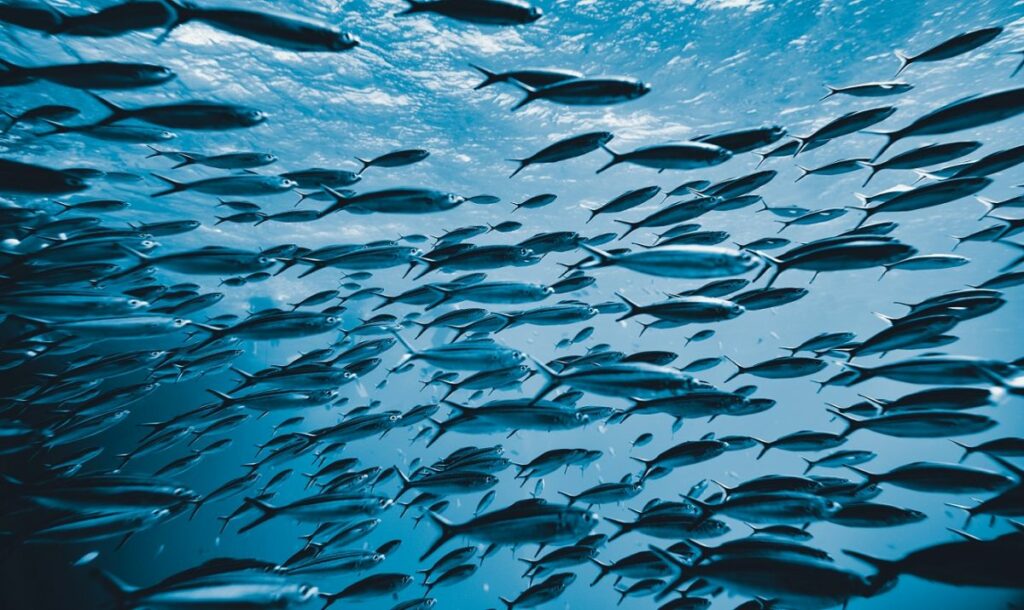
A new scientific analysis sheds light on one of the greatest threats to the oceans and their biodiversity today: deep-sea mining, also known as offshore mining.
This is a recent study from the University of Hawaii at Manoa, confirming a dangerous suspicion that the scientific community has had for years.
It seems that this industrial activity threatens entire marine ecosystems and has the ability to jeopardize the balance of the seabed.
In particular, over 30 species of cartilaginous fish (chondrichthyans) are at risk due to deep-sea mining.
This is because the habitats of sharks, rays, and chimaeras overlap with the areas where mineral extraction is taking place today.

Deep-Sea Mining: Threatened Species
The University of Hawaii analysis reveals a list of victims that includes both ocean giants and discreet inhabitants of the abyss.
Among the 30 endangered species are some like:
- Whale shark
- Manta ray
- Megamouth shark
- Chocolate skate
- Pointy-nosed chimaera
- Pygmy shark
“Deep-sea mining represents a new potential threat to this group of animals, vital for both the oceanic ecosystem and human culture and identity,” stated Aaron Judah, lead author of the study and graduate student in oceanography at the School of Ocean and Earth Science and Technology (SOEST) at the University of Hawaii.
Professor Jeff Drazen, senior author, reinforces this concern: “Due to their vulnerability, [these species] should be considered in current discussions on the environmental risks of deep-sea mining.”
The most alarming fact is that 60% of these species are already listed on the Red List of the International Union for Conservation of Nature (IUCN) as threatened with extinction.
Furthermore, the figure could rise to 64.3% if those with “insufficient data” are included, revealing a potentially underestimated crisis.
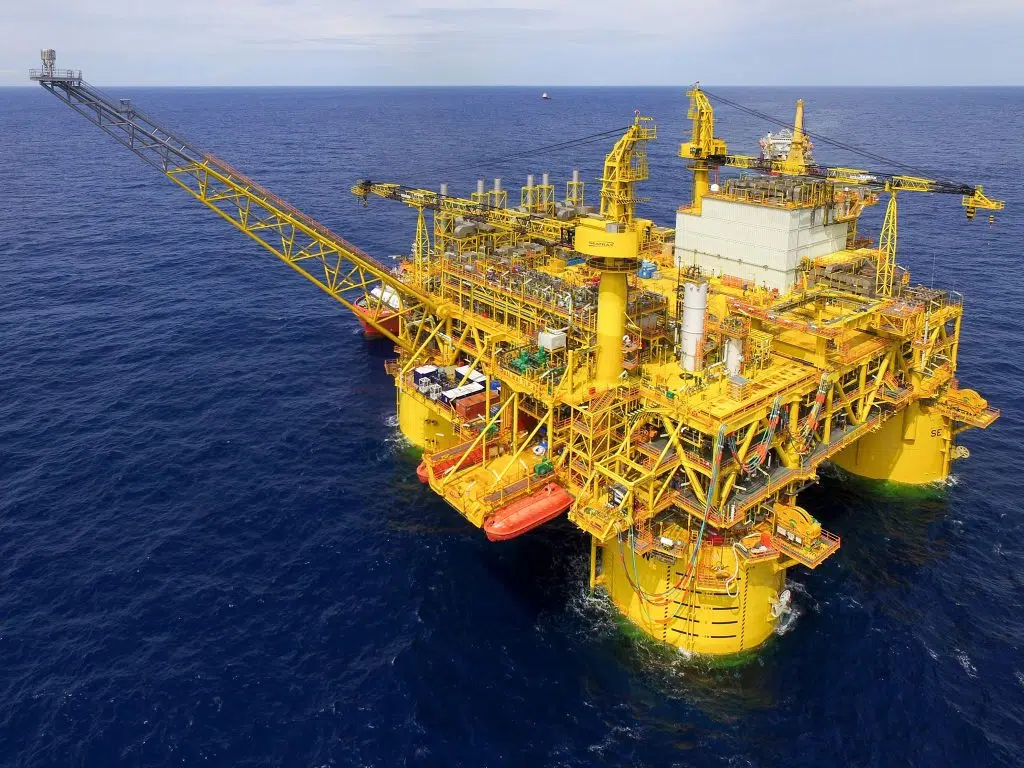
How Deep-Sea Mining Destroys Marine Ecosystems
Deep-sea mining generates various threats to oceanic diversity, affecting different species in specific ways.
One of the worst effects of deep-sea mining is the removal of the seafloor, which directly annihilates critical habitats.
This particularly affects benthic species that lay eggs on the seabed, such as the chocolate skate (Rajella bigelowi) and the small-eyed chimaera (Hydrolagus affinis).
Polymetallic sulfide mining near hydrothermal vents is a source of special concern.
For example, species like the Portuguese dogfish (Centroscymnus coelolepis) use these waters as breeding grounds, so their destruction for deep-sea mining would be catastrophic for their reproductive cycle.
Another threat is “discharge plumes”, sediment and metal clouds released into the water that can be toxic to marine species.
These mining discharges affect the food chain by impacting pelagic species like the whale shark, the manta ray, and the cookiecutter shark (Isistius brasiliensis).
These data are particularly relevant due to the massive scale of deep-sea mining, with exploitation areas of up to 2.3 million km², a surface 23 times larger than that dedicated to land mining.
The challenge is exacerbated by being in international waters, regulated by the International Seabed Authority (ISA), and the migratory nature of these species.