



The global network C40 Cities, together with the Climate Migration Council and the Mayors Migration Council, published a new report highlighting the economic and social potential of transitioning to greener cities.
According to the study, cities could generate R$1.4 trillion (US$280 billion) by 2040 if they invest in workforce training and inclusion of local and migrant workers in sustainable sectors.
Green jobs: a global opportunity
Up to 40% of new jobs in 2040 will be linked to the green economy.
The sectors with the most potential are:
- Sustainable construction
- Clean transportation
- Waste management and recycling
The report warns that, without adequate public policies, up to 6 million jobs could be lost, underscoring the urgency of adapting the workforce to climate and technological challenges.
São Paulo: a model of urban sustainability and green employment
The Brazilian city combines environmental management, social inclusion, and economic growth
São Paulo stands as a global reference, with initiatives such as the Green Package, which includes:
- Planting thousands of trees and creating urban forests
- Replacing diesel buses with electric and biomethane vehicles
- Over 50% tree coverage and the lowest unemployment rate in its history (5.4%)
“Acting against climate change and building a fairer society go hand in hand,” said Mark Watts, Executive Director of C40 Cities.
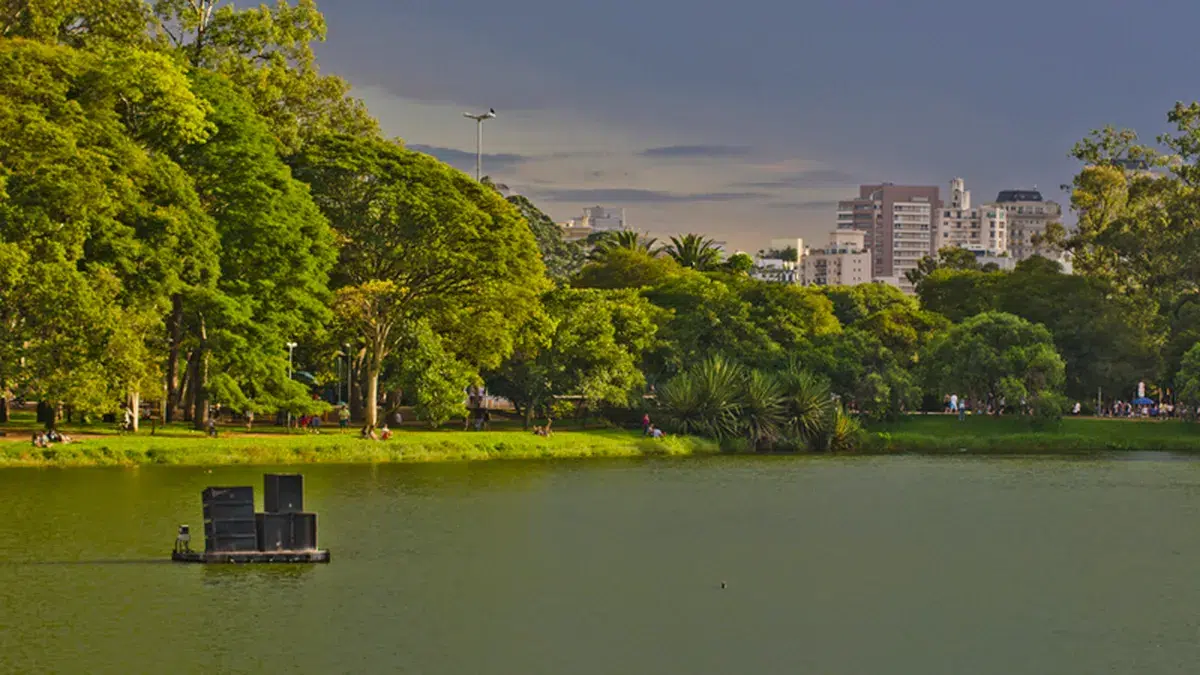 São Paulo as an example of a model for the future of green cities
Professional training and social inclusion
The Work Operation Program (POT) links training, sustainability, and community development.
The POT offers training in green trades, such as urban gardens and circular economy projects, facilitating the reintegration of unemployed individuals into the workforce and strengthening urban resilience.
Migration, employment, and climate justice
Integrating migration policies into the green economy strengthens social cohesion and territorial equity.
The report highlights that welcoming new talents, including climate migrants, allows cities to address labor shortages and ensure a more inclusive and sustainable future.
This vision promotes a just transition, where climate action becomes a driver of social development.
Cities as engines of change
Freetown, Amman, and Philadelphia also lead with policies that link climate, employment, and equity.
These experiences demonstrate that sustainable urban planning can generate economic, environmental, and social benefits, if accompanied by investment in training, green infrastructure, and inclusive policies.


