



A scientific study revealed that the 250 largest oil and gas companies in the world are responsible for only 1.42% of global renewable energy projects.
This contradicts their promises to lead the energy transition and exposes decades of green discourse without concrete actions.
The research was conducted by the Institute of Environmental Science and Technology at the Autonomous University of Barcelona (ICTA-UAB) and published in the journal Nature Sustainability.
It analyzes the main oil and gas companies on the planet, which account for 88% of the world’s hydrocarbon production.
The study used data from Global Energy Monitor to document the gap between corporate promises and the reality of investments, leaving a bitter taste.
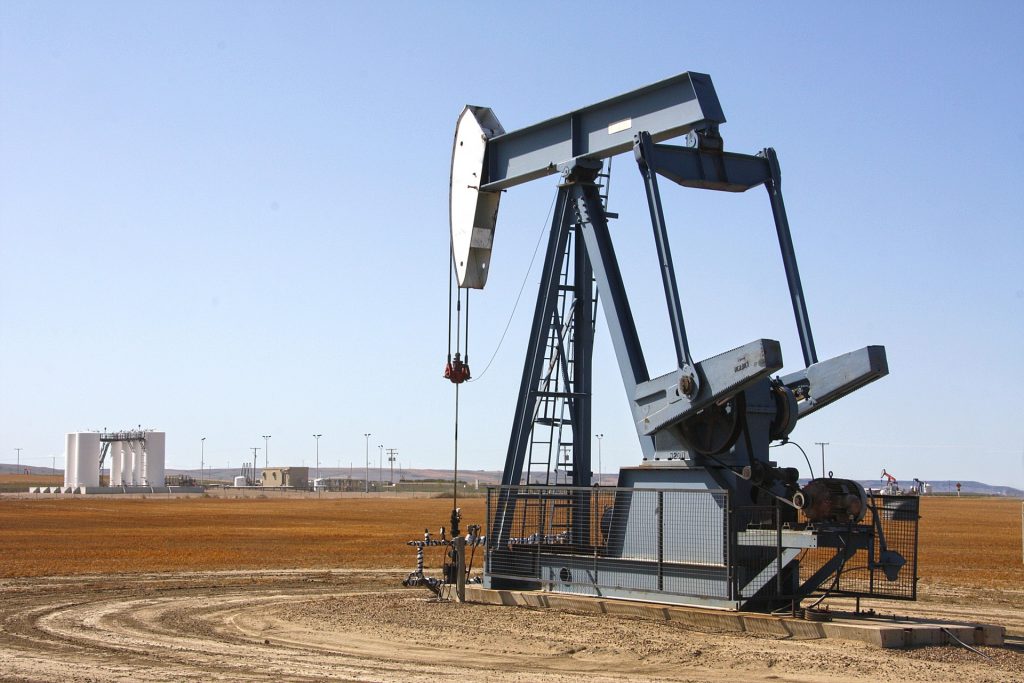
The figures that contradict the green discourse of oil and gas companies
The study identified 3166 unique projects of solar, wind, hydroelectric, and geothermal energy in which these companies have direct participation, through subsidiaries or acquisitions.
The results are clear: only 20% of these 250 companies have any renewable energy project in operation.
In addition, renewable energies represent only 0.1% of their total primary energy extraction.
This minimal proportion contrasts with the industry’s public statements about its role in the fight against climate change and the millions invested in green marketing campaigns.
The research analyzed companies ranging from international oil giants to regional gas producers.
All of them historically responsible for the majority of global greenhouse gas emissions.
Unfulfilled promises and unsupported objectives in the sector
Almost a quarter of the top 100 companies have set greenhouse gas reduction targets for 2030.
This implies an average commitment of 43% reductions in their own operations, according to Zero Carbon Analytics data.
However, these commitments do not translate into significant investments in clean technologies.
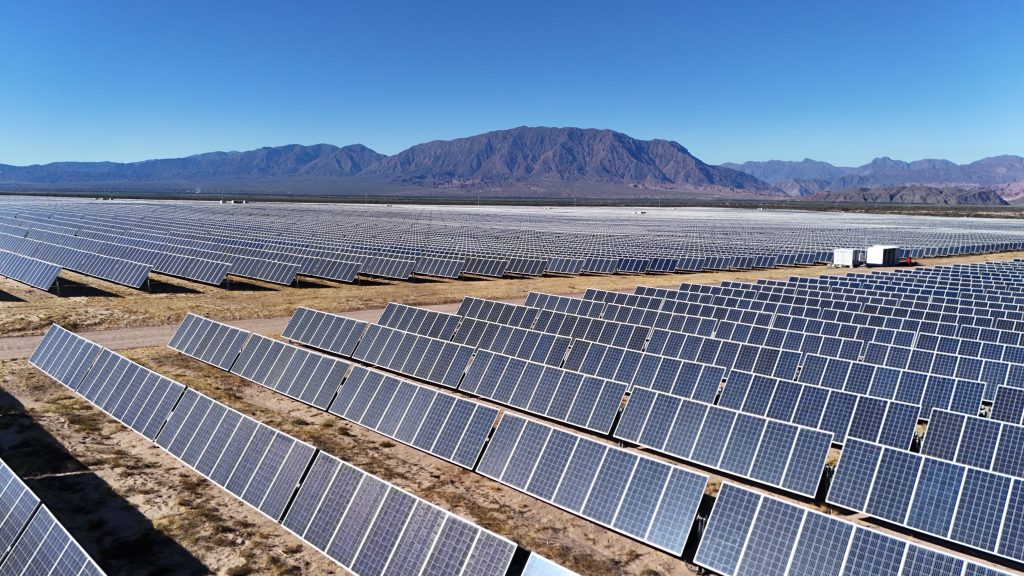
Today, the business model of these corporations still relies almost entirely on oil, gas, and coal.
In contrast, renewables continue to occupy a marginal place in their energy portfolios.
“The deployment of renewables by oil and gas companies is anecdotal at best,” said Marcel Llavero-Pasquina, researcher at ICTA-UAB and lead author of the study.
“Their contribution to the fight against the climate crisis should be judged solely by the amount of fossil fuels they leave underground,” he added.
Greenwashing as a corporate strategy in the oil and gas sector
Kasandra O’Malia, director of the Global Solar Power Tracker project at Global Energy Monitor, was clear about it.
“Oil and gas companies are not investing in renewables as they promised. Claiming otherwise is greenwashing,” she said.
The concept of greenwashing refers to the practice of promoting an environmentally responsible image without making substantial changes to the business model.
The study’s data suggests that many companies have used this strategy to maintain their social license while continuing to expand fossil fuel extraction.
Julia Steinberger, a professor at the University of Lausanne and not involved in the study, added that the research “confirms that, despite their ecological slogans, they are completely failing in their transition to clean energy.”
Steinberger also warned that “despite everything, industry lobbying groups and think tanks continue to influence our politicians.”

The cost for climate and energy policy of the lack of cooperation from the oil and gas sector
The findings question the participation of the fossil fuel industry in decision-making spaces on energy and climate policy.
Many governmental and international institutions have included representatives of these companies in dialogues on the energy transition.
The premise is that they are key players in the process.
However, for Llavero-Pasquina, they are only “decades of empty words,”
And he demanded: “It is time for governments, universities, and public institutions to recognize that the fossil fuel industry will always be part of the problem and not the solution to the climate crisis.”
“Oil and gas companies should not have a seat at the table where decisions


