



In much of the country, the water that reaches homes contains high concentrations of minerals such as calcium and magnesium. This type of water, known as “hard water,” creates a silent but costly problem: the formation of limescale.
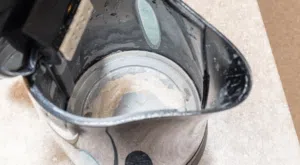
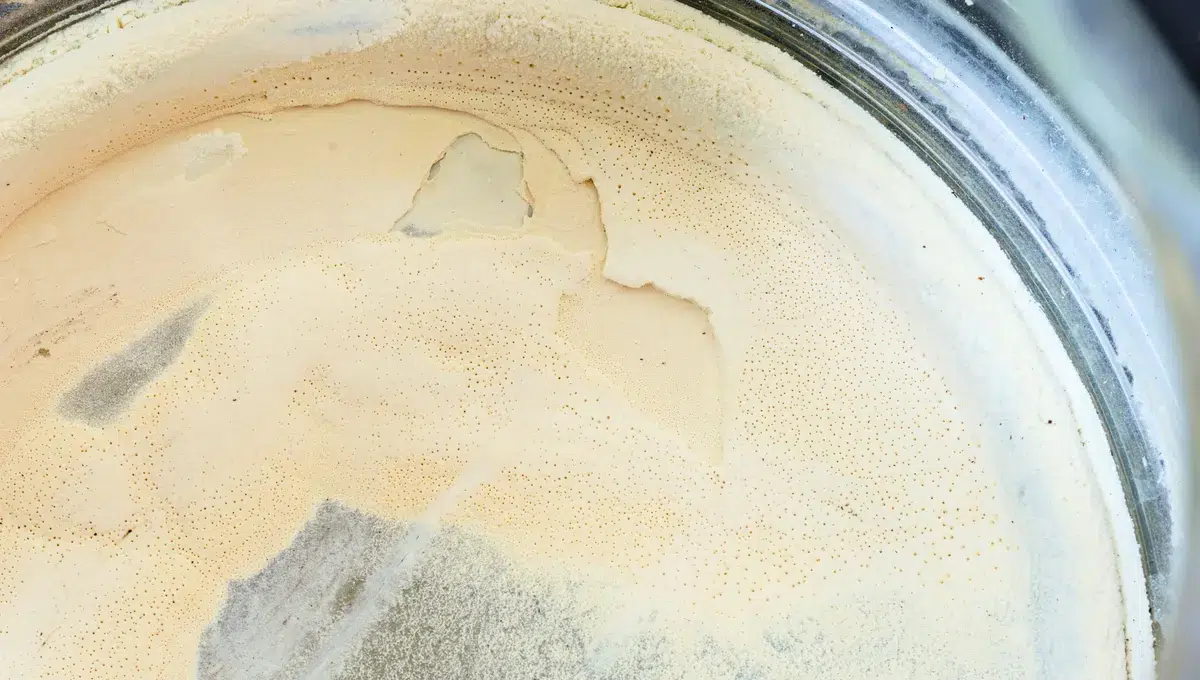
Limescale accumulates on the heating elements of washing machines, electric kettles, water heaters, and boilers, reducing their efficiency and shortening their lifespan. What starts as a small whitish layer ends up affecting the performance of the entire hot water system.
According to the Argentine Association of Sanitary Engineering, more than 60% of the country’s groundwater exceeds the recommended hardness levels. The consequences are felt both in the wallet and in the environment.
Each millimeter of accumulated limescale can increase electricity consumption by up to 10%, which means more carbon emissions and higher family expenses. Additionally, overheating of equipment accelerates its deterioration and forces more frequent replacements, generating more electronic waste.
Sustainable solutions for cleaner water
To tackle this challenge, ecological alternatives are emerging that aim to avoid the use of chemicals or costly systems. One of them is the ionic polarization technology (IPS), developed in Switzerland and distributed in Argentina by the company AquaNex.
This system reduces limescale formation by up to 90% without the need for electricity or maintenance. It works by modifying the structure of the minerals in the water, preventing them from adhering to the internal surfaces of appliances.
With a lifespan of over ten years, this technology offers a low environmental impact solution with high performance. In addition to extending the durability of devices, it contributes to more efficient use of energy and water.
Appliances most vulnerable to limescale
Limescale not only affects electric kettles, washing machines, and boilers. It also accumulates in steam irons, automatic coffee makers, and dishwashers, where constant contact with hot water promotes the crystallization of minerals.
In dishwashers, limescale can clog water lines, reduce the pressure of the sprayers, and leave whitish residues on glasses and plates. This forces the use of more detergent and energy to achieve the same result.
Humidifiers, irons, and steam generators also suffer from the impact of hard water. Limescale deposits on nozzles and heating elements, hindering the release of steam and causing overheating that shortens their lifespan.
How to clean limescale at home ecologically
In addition to preventing its formation, it is possible to remove existing limescale with simple and sustainable methods. In electric kettles and coffee makers, it is recommended to boil a mixture of water and white vinegar in equal parts, let it sit for 30 minutes, and rinse with plenty of water.
In washing machines and dishwashers, you can run an empty cycle with vinegar or citric acid, which helps dissolve mineral deposits in the heating elements and internal pipes. Repeating the process once a month prevents persistent build-ups.
For showers, faucets, or aerators, simply disassemble the parts and immerse them in warm vinegar for a few hours. This natural method removes limescale without the need for harsh chemicals that pollute the water or damage metals.
Care for water, care for energy
Combating limescale is not just a matter of domestic maintenance, but also of sustainability. Reducing appliance wear means less energy consumption, less waste, and a more responsible use of water resources.
Adopting clean technologies and ecological habits at home can make a significant difference in the everyday environmental impact. Efficiency starts with small details: keeping water free of limescale is also a way to protect the planet.



