



A decade after the signing of the Paris Agreement, one of the most important environmental commitments in recent history, new scientific data indicates that the world is rapidly approaching a scenario that until recently seemed avoidable. Various specialists warn that the increase in global temperature could exceed 1.5 degrees compared to the pre-industrial era before the end of this decade.
The study, prepared by researchers from 56 institutions across 17 countries, reveals that the warming of the climate system is accelerating at an unprecedented rate. Consequently, terrestrial and marine ecosystems are beginning to show increasingly evident signs of environmental stress.
Furthermore, scientists highlight that 2025 ranked among the warmest years recorded since systematic measurements began, consolidating a trend that worries the international community.
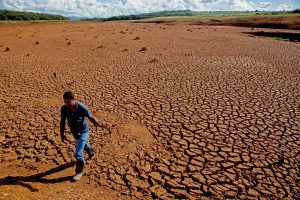
Record emissions and oceans under pressure
The results show that global greenhouse gas emissions continue to grow. Far from decreasing, they reached historic levels driven mainly by the burning of fossil fuels.
On the other hand, the report indicates that the so-called planetary energy imbalance, an indicator that reflects the accumulation of heat on Earth, has increased significantly in recent years. This situation favors more extreme and frequent weather phenomena.
Additionally, the oceans also show profound transformations. Marine heatwaves, characterized by prolonged periods of exceptionally high water temperatures, have tripled since 1991. As a result, numerous coastal ecosystems face greater risks of degradation.
Visible consequences for nature and people
The increase in temperatures not only impacts biodiversity. It also has direct effects on human health, food production, and the global economy.
In this context, various studies project that heatwaves could cause hundreds of thousands of additional premature deaths by mid-century. At the same time, extreme heat promotes sedentarism, affects sleep quality, and decreases work performance.
Meanwhile, the average sea level continues to rise. Since 1901, a rise of nearly 23 centimeters has been recorded, a trend that increases the risk of flooding in numerous coastal regions of the planet.
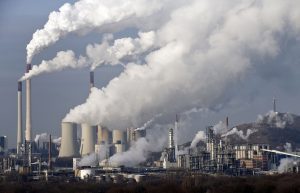
What habit changes could be implemented to prevent this scenario
Although government decisions are fundamental, specialists agree that everyday changes can also contribute to reducing pressure on the climate.
One of the main actions is to reduce fossil fuel consumption by using public transport, bicycles, walking, and incorporating low-emission vehicles. These alternatives allow for a significant reduction in individual carbon footprints.
It is also crucial to promote a more responsible energy consumption in homes, businesses, and industries. The use of efficient lighting, low-consumption appliances, and renewable sources helps to reduce emissions associated with electricity generation.
On the other hand, a diet based on local and seasonal products, along with the reduction of food waste, helps to decrease the environmental impact of production systems. Similarly, reusing materials and recycling promote a more circular and sustainable economy.
The challenge of building a resilient future
In light of this scenario, the scientific community insists on the need to accelerate the transition towards development models compatible with the planet’s ecological limits.
In parallel, the protection of forests, wetlands, oceans, and natural ecosystems appears as an indispensable tool to absorb carbon and strengthen resilience against climate change.
Therefore, the scenario projected for 2030 represents a global warning. Beyond international commitments, the challenge is to transform public policies, production systems, and everyday habits to prevent warming from continuing to advance over biodiversity, human health, and the planet’s environmental stability.


