



The phenomenon known as pet parenting is growing strongly worldwide. More and more people, especially young adults, decide to raise dogs as if they were children. This change reflects a new way of understanding family, love, and emotional responsibility in today’s society.
In large cities, where loneliness and fast-paced life prevail, dogs become essential companions. They provide companionship, constant affection, and a sense of purpose. For many, they represent an emotional alternative in the face of economic uncertainty and the postponement of motherhood or fatherhood.
The human-dog bond has transformed into a deep attachment. It’s no longer just about having a pet, but about sharing everyday life: walks, celebrations, feeding routines, and care. On social media, there are numerous profiles dedicated exclusively to these “furry children”, reflecting the strength of the phenomenon.
Specialists highlight that this trend also responds to psychological and social factors: the search for emotional support, the lack of stable human relationships, and the value of the unconditional love that dogs offer.
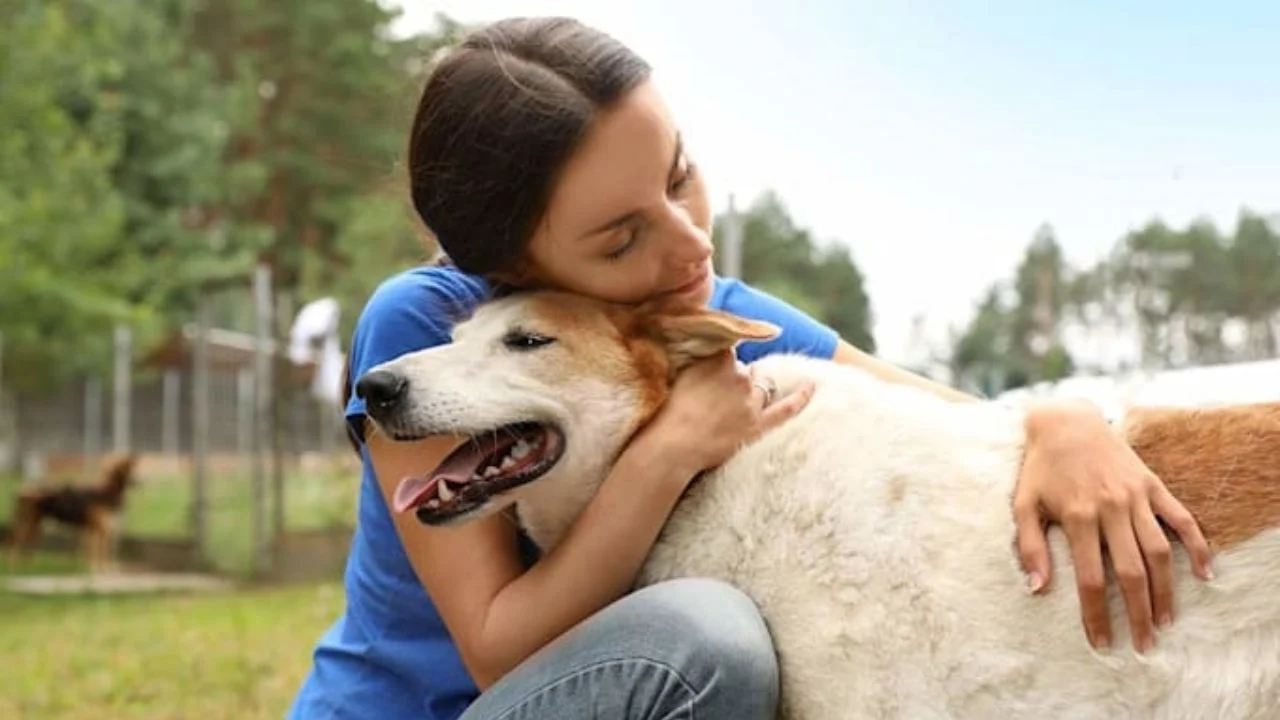
The science behind the human-dog bond
Various studies have shown that living with dogs improves physical and emotional health. Research from universities in the United States and Europe indicates that contact with these animals reduces stress and anxiety levels, increases oxytocin —the attachment hormone— and improves mood.
A study published in Frontiers in Psychology revealed that the connection between humans and dogs activates brain areas related to love and empathy in both species. This finding explains why people develop such deep and lasting bonds with their pets.
Other studies from the National Institutes of Health in the U.S. indicate that having a dog can lower blood pressure and strengthen the immune system. Additionally, those who walk with their dogs tend to be more physically active and maintain better sleep and social contact routines.

A reflection of social changes
The growth of pet parenting also has economic and cultural roots. Job instability, housing costs, and the lack of family reconciliation policies lead many young people to prioritize personal well-being over raising children. In this context, dogs become a way to build family and affection without the demands of traditional parenthood.
However, specialists warn that, although the bond is beneficial, it is important not to excessively humanize animals. Dogs need space, exercise, and stimuli specific to their species. Responsible care should balance affection with respect for their nature.
Love for animals reflects an emotional and ethical evolution. Caring for a dog not only satisfies a need for companionship but also reinforces values such as empathy, solidarity, and connection with other forms of life. In an increasingly individualistic world, dogs are established as a bridge between humans and the tenderness that is often missing in daily life.



