



The Yellowstone National Park, an icon of biodiversity in the United States, is once again the protagonist of a scientific discovery that surprises the world.
After more than 80 years without new trees growing in certain areas, an unexpected change is transforming its landscape: the quaking aspens (Populus tremuloides) are beginning to regenerate.
A natural laboratory of resilience
Yellowstone Park has been considered for decades a natural laboratory to study the interactions between species and the human impact on ecosystems.
The regrowth of trees in barren areas since the mid-20th century not only brings hope in terms of environmental resilience but also offers science a unique opportunity to analyze how factors such as climate change, soil dynamics, and the reintroduction of predators can act together.
Moreover, this vegetal rebirth contributes to improving carbon capture, reinforcing the park’s capacity as a natural sink in a global context of climate crisis.
The collapse after the disappearance of wolves
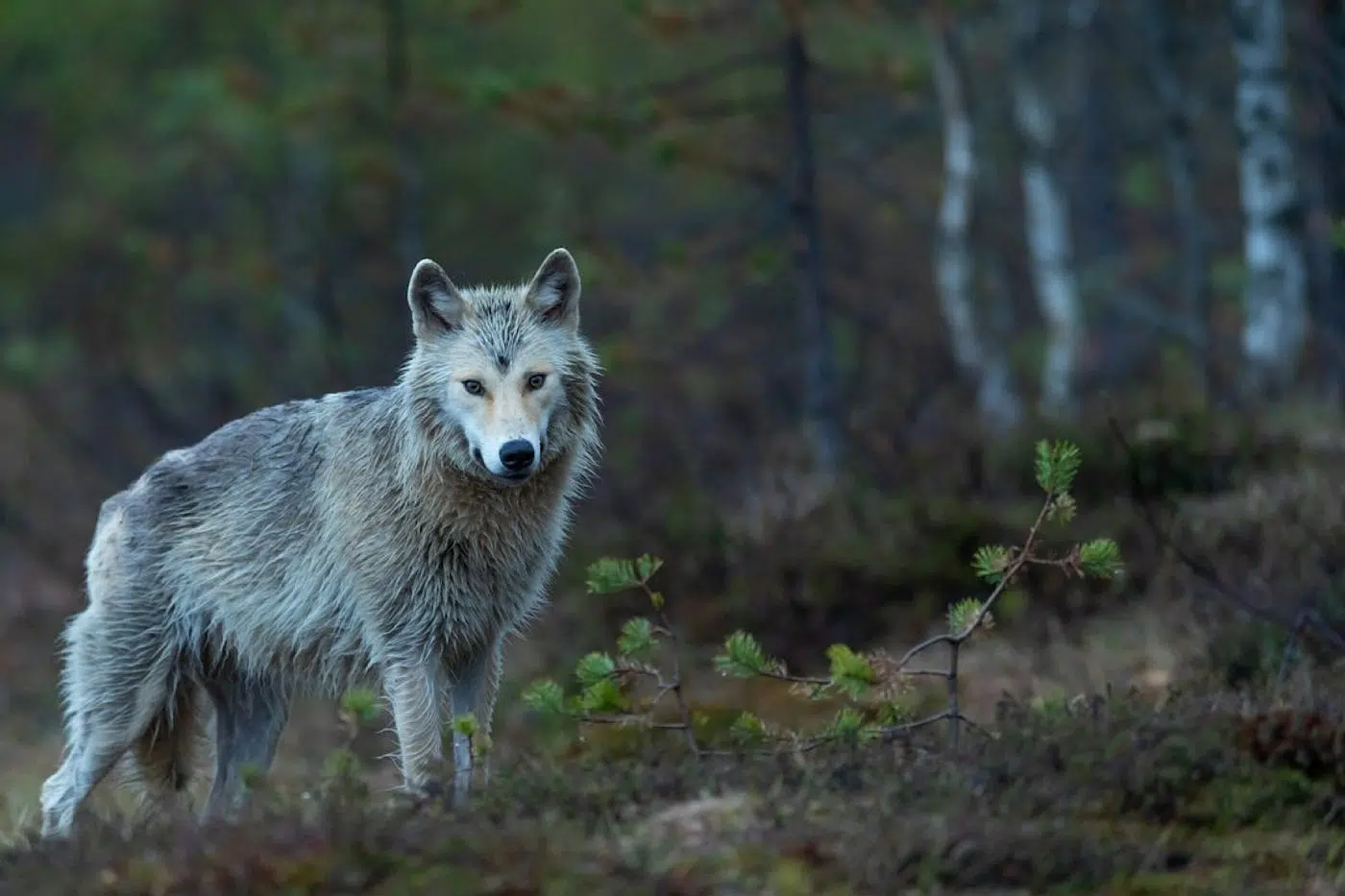
During the 1930s, the gray wolf (Canis lupus) was eliminated from Yellowstone due to eradication campaigns driven by intensive hunting and federal policies. Their absence caused a profound imbalance: the elk (Cervus canadensis), without natural predators, multiplied their population to exceed 18,000 specimens.
This excess of herbivores severely affected young vegetation, preventing the regeneration of key species like the quaking aspen. Studies from the 1990s confirmed the absence of new shoots, with aging populations at risk of disappearing from the ecosystem.
The return of wolves and the rebirth of aspens
In 1995, Yellowstone Park initiated an ecological restoration project with the reintroduction of gray wolves. The impact was immediate: the elk population decreased to about 2,000 specimens, reducing the pressure on vegetation.
A study published in Forest Ecology and Management, led by Luke Painter (Oregon State University), analyzed 87 aspen stands and found that in a third of them, young and healthy aspens were growing, something unprecedented in more than eight decades.
Many of these trees already exceed five centimeters in diameter, indicating promising development. The recovery of the quaking aspen has significant implications:
- Provides shade, food, and shelter for birds, insects, beavers, and mammals.
- Encourages the growth of shrubs and flowers thanks to a more open canopy.
- Is associated with a resurgence in populations of bears and cougars, linked to the restoration of natural balance.
Future challenges for regeneration
Despite the initial success, challenges remain. The increase in bison, which wolves hunt with more difficulty, could limit the growth of aspens in certain areas. According to Painter, these herbivores could become a new threat to forest regeneration.
The case of Yellowstone demonstrates how the presence of key predators can restore entire trophic chains. For Dominick Spracklen, a professor at the University of Leeds, the reintroduction of large carnivores can have deeper impacts than climate change itself in some ecosystems, highlighting the need to conserve essential species to achieve functional and resilient landscapes.
The regenerative power of nature
The rebirth of quaking aspens in Yellowstone is a reminder of nature’s ability to recover in the face of adversity. The interaction between predators, herbivores, and vegetation reveals the importance of maintaining ecological balance and betting on conservation strategies that integrate all species.
Yellowstone once again demonstrates that ecosystems are dynamic and that, with the right decisions, they can regenerate and sustain life for generations.



