



In the district of Carumas, Moquegua (Peru), one of the highest solar parks on the planet will be built, at 4,500 meters above sea level.
The project, called Lupi, is led by the Norwegian company Statkraft and promises to transform the energy landscape of Peru and the region.
Lupi Solar Park: Clean Energy from the Highlands
According to Statkraft, the initial stages have already begun and the plant will be ready to operate by the end of 2027. Its location in the province of Mariscal Nieto gives it a unique character: it is an installation that will generate 581 GWh of renewable energy annually, a key contribution to the Peruvian electrical system.
The Country Manager of Statkraft Peru, Enzo Contreras, highlighted that the project integrates into the company’s global strategy:
“Peru is strengthening its commitment to the energy transition. In this context, the Lupi project represents an important step because it aligns with our strategy to grow with renewable electricity projects, especially solar and wind.”
The main civil works will begin in the second quarter of 2026. In addition to its energy contribution, Lupi will generate employment and community development through training programs and hiring local labor in communities like Cambrune and five other localities in the area of influence.
Statkraft: Global Experience in Clean Energy
Headquartered in Norway and with more than 130 years of history, Statkraft operates in 20 countries and manages plants certified under international standards such as I-REC, which guarantee the 100% renewable origin of the energy.
In Peru, the company already has nine active hydroelectric plants, consolidating its presence in the Andean energy sector.
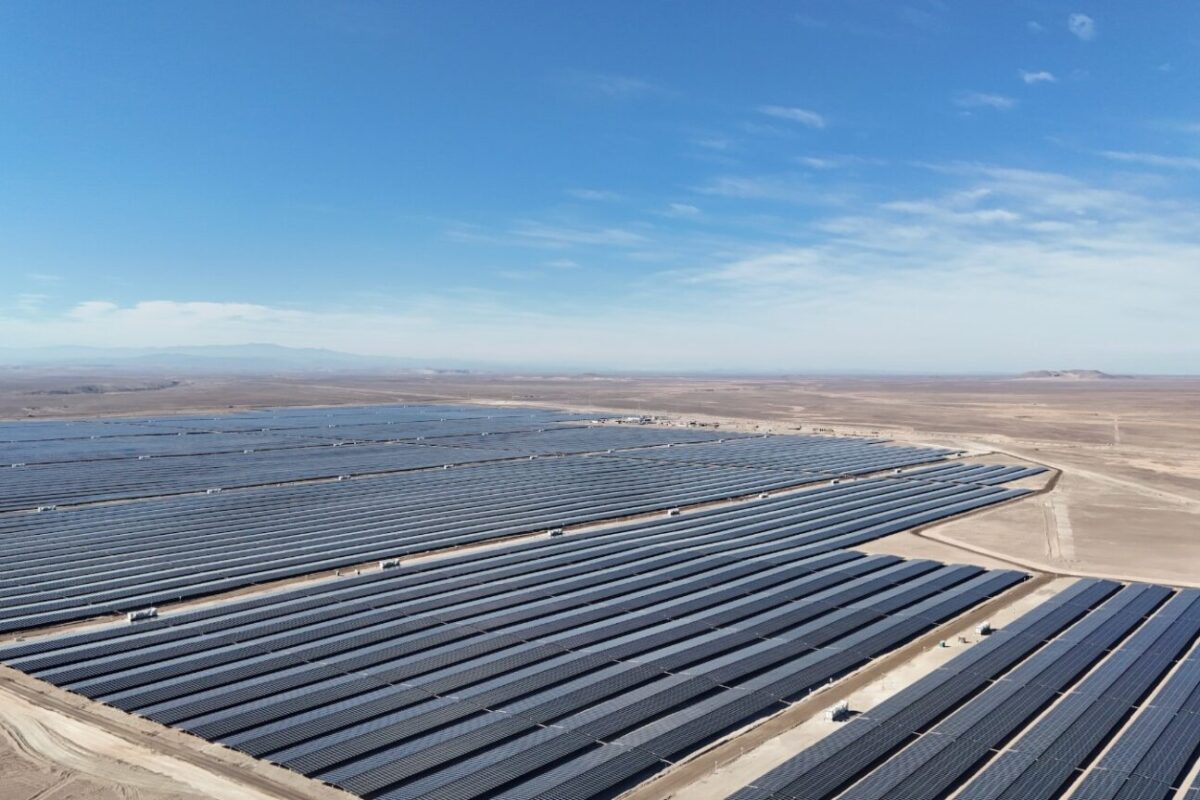
Sunny I: Solar Energy from the Arequipa Desert
The boom in the Peruvian solar sector is also reflected in the district of La Joya, Arequipa, where the Spanish company Acciona completed the construction of the Sunny I plant, developed for Kallpa Generación.
Main features:
- Surface area: 549 hectares.
- Installed capacity: 225 MWp.
- Technology: 371,040 bifacial panels of high performance, capable of capturing solar radiation on both sides.
- Production: 611 GWh per year, equivalent to the electricity consumption of 547,000 Peruvian households.
The energy will be integrated into the National Interconnected Electrical System through the San José substation, operating at 220 kV. Additionally, the operation of Sunny I will prevent the emission of 215,000 tons of CO₂ each year, reinforcing the national goals of emission reduction.
Acciona: International Experience in Solar Projects
Acciona has participated in major solar projects globally, such as the Mohammed Bin Rashid Al Maktoum complex in Dubai (over 1,000 MWp), the Sishen plant in South Africa, and the El Romero Solar park in Chile, considered technical benchmarks in the sector.
Peru as the Epicenter of the Energy Transition
With initiatives like Lupi in Moquegua and Sunny I in Arequipa, Peru is establishing itself as a growing player in solar energy. The simultaneous development of clean infrastructures reflects the commitment of international companies to the country as a destination for strategic investments.
Both projects, articulated from public-private cooperation and technological transfer, are examples of the structural change that the Peruvian electrical matrix is undergoing. In addition to generating employment and regional development, they position the south of the country—with its highlands and deserts with unique solar resources—as the epicenter of the national energy transition.



