



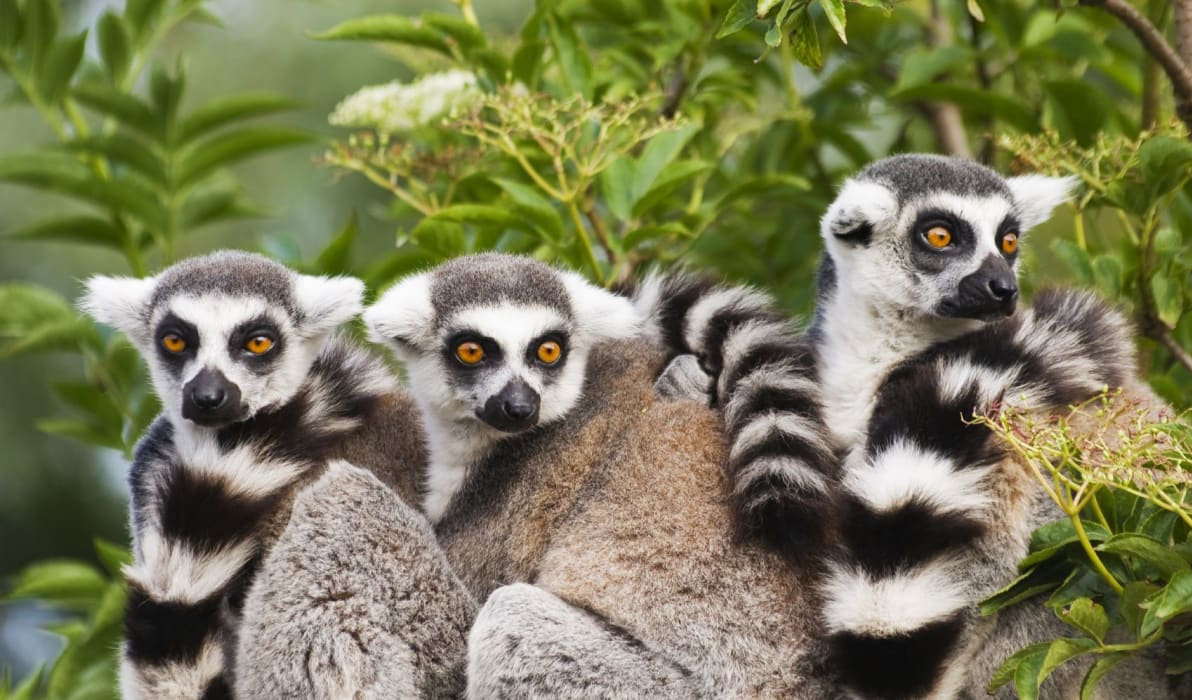
The lemurs, small primates known for their bushy tails and large eyes, face a serious risk of extinction.
The pressure on these species not only comes from habitat loss, illegal logging, and hunting, but also from a new and worrying phenomenon: the increasing demand for so-called luxury meat among affluent city residents.
A crisis documented by the IUCN
According to the International Union for Conservation of Nature (IUCN), more than 90% of the 112 lemur species are threatened with extinction and are listed on the Red List.
Among them, the brown lemurs, classified as “vulnerable,” and the ruffed lemurs, in “critical danger,” are the most consumed.
The clandestine trade of lemur meat
A four-year study in Madagascar uncovered the magnitude of the clandestine demand:
- 13,000 lemurs slaughtered and consumed each year.
- The meat appeared on the menus of more than a third of the cities analyzed.
- 94.5% of the trade is conducted in secret between suppliers and a trusted clientele.
Researchers interviewed 2,600 people in 17 major cities, including hunters, buyers, sellers, and restaurant staff. They found that many consumers are willing to pay more for lemur meat than for farm animals, even for supposed health benefits.
“I eat it because I know things like this keep you young,” confessed one buyer. Another described it as “the most delicious food” they had ever tasted, adding: “Once you eat it, no one wants to stop.”
Urgent measures to curb hunting
Scientists warn that the crisis requires more than the usual conservation efforts. Proposed measures include:
- Enforcing stricter laws against illegal firearms, used to hunt lemurs.
- Launching specific campaigns to reduce the desire to consume lemur meat.
- Alerting about the risks of zoonotic diseases that could deter consumers.
- Offering hunters viable economic alternatives that guarantee them secure income.
Ecological importance of lemurs
The conservation of lemurs is crucial because they perform essential functions in Madagascar’s forests:
- Seed dispersers: by eating fruits, they help in the regeneration and growth of forests.
- Pollinators: some species contribute to plant reproduction.
- Indicators of ecosystem health: their decline reflects broader problems in biodiversity.
Economic and cultural impact
Lemurs also generate economic and cultural benefits:
- Ecotourism: they attract international visitors, generating income for the local and national economy.
- Community support: sustainable tourism can provide income sources for local communities, incentivizing habitat protection.
- Icons of Madagascar: they represent millions of years of evolutionary history and are symbols of the island’s unique biodiversity.
The situation of lemurs in Madagascar is critical: approximately 95% of the species are in danger of extinction. The growing demand for luxury meat threatens to accelerate their disappearance, while their conservation is vital to maintaining forest health, supporting local communities, and preserving a unique cultural and biological heritage.
Protecting lemurs means protecting the ecosystem of Madagascar, ensuring global climate stability, and preventing the irreparable loss of one of the planet’s most extraordinary evolutionary jewels.


