



The environmental commitment of the construction sector took a historic step in Argentina. For the first time, a supplier of chemical products for construction decided to directly offset its carbon emissions through an investment in a certified conservation project within national territory.
This is Mapei, an Italian company with a global presence, which acquired 300,000 carbon credits within the framework of the REDD+ Selva de Urundel Project, located in the north of the country.
A key sector in the climate fight
Construction is responsible for about 38% of global CO₂ emissions, according to the Global Alliance for Buildings and Construction (2023).
Therefore, Mapei’s action places the company at the forefront of sustainability in the industry, demonstrating that it is possible to produce and grow while caring for the planet.
REDD+ Selva de Urundel Project
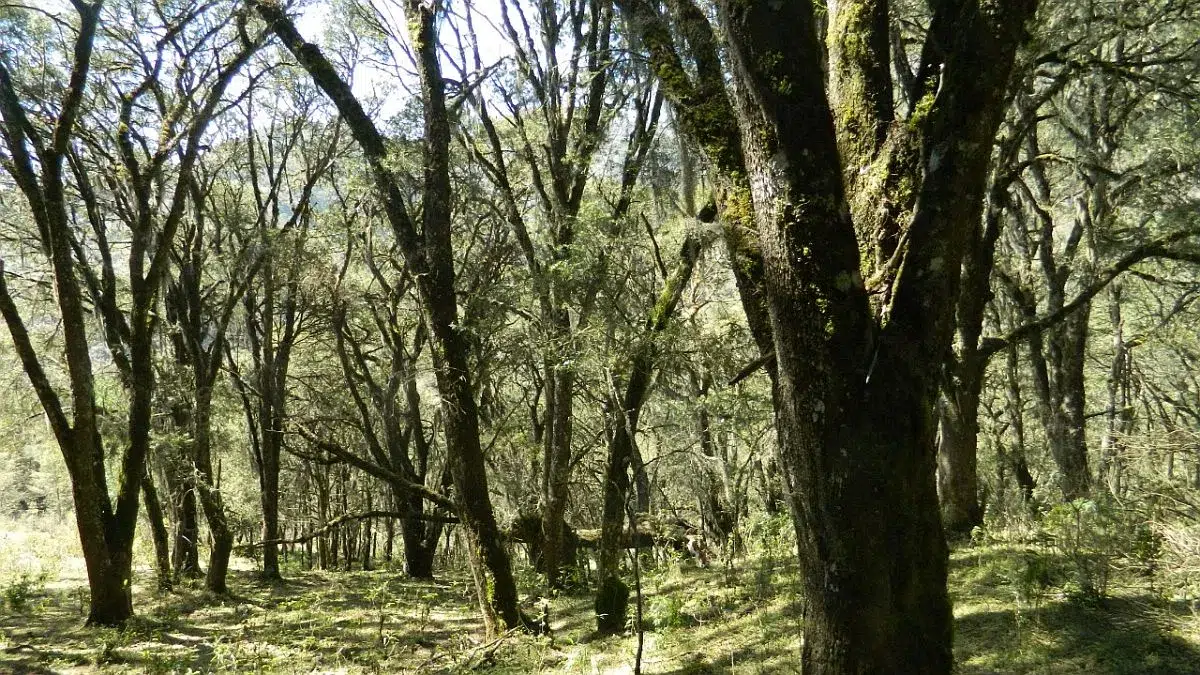
The project is certified under the international standards VCS (Verified Carbon Standard) and CCB (Climate, Community and Biodiversity Standards). It protects about 50,000 hectares of native forest in the Orán department, Salta, and aims to avoid the emission of more than 9.6 million tons of CO₂ equivalent during its 30-year duration.
According to Lucas Alvarez, Marketing and Communications Manager of Mapei Argentina:
“This project combines three fundamental pillars: emission reduction, biodiversity protection, and social inclusion.”
In addition to preserving the natural carbon capture, the project guarantees the conservation of endangered species such as the jaguar, tapir, and crowned eagle, and promotes sustainable local development through green jobs, environmental education programs, and community training in fire control, forest management, and biodiversity monitoring.
Environmental and social benefits
Among the expected benefits of the project are:
- Reduction of deforestation by 70%.
- Restoration of thousands of degraded hectares.
- Improvement of air and soil quality.
- Conservation of ecosystem services that regulate rainfall and protect freshwater sources.
The forest thus becomes an essential ally against climate change, providing resilience and stability to the region.
A model of circular economy
The resources obtained from the sale of carbon credits are reinvested in:
- Infrastructure and education.
- Satellite monitoring technologies.
- Sustainable agroforestry practices.
In this way, the project generates a multiplier effect on the local economy, strengthening community capacities and promoting a circular economy with low environmental impact.
Mapei’s global experience
Since 2012, Mapei has offset its residual emissions through certified credits in international projects of renewable energy and forest conservation in countries such as Italy, Vietnam, and Indonesia.
The investment in the Selva de Urundel now reflects that global experience in Argentina, integrating the measurement, reduction, and offsetting of emissions into its sustainability strategy in a planned and verifiable manner.
A path for other companies
The initiative demonstrates that REDD+ (Reducing Emissions from Deforestation and Forest Degradation) projects are an effective tool for achieving carbon neutrality. The Selva de Urundel is the first Argentine project certified under international standards, positioning the country on the map of nature-based climate solutions.
In the future, it is expected that more companies will follow this path, integrating REDD+ projects and offsetting and commitment strategies into their environmental policies.


