



Durante décadas, Australia invested millions in extermination campaigns of wild donkeys, considered pests that damaged fences, water troughs, and crops. They were even hunted from helicopters to “clean” the country’s interior.
However, recent research shows that these animals can become unlikely allies against desertification, capable of creating water, restoring soil, and protecting farms when managed with scientific and environmental planning.
From enemies to restoration tools
Wild donkeys were seen almost exclusively as a threat: they competed with livestock for water and trampled fragile riverbanks. But field studies revealed that their natural behavior can be a powerful ecological tool:
- Digging water wells: during droughts, they seek moisture beneath the surface, creating small natural water troughs that benefit birds, kangaroos, and other animals.
- Breaking soil crust: their hooves create micro-fissures that allow water and nutrient infiltration, promoting seed germination.
- Spreading seeds and nutrients: their droppings act as fertilizer capsules, promoting denser vegetation patches.
Pilot projects and controlled management
The key is to replace chaos with control. Instead of unmanaged herds, work is done with monitored groups in defined areas:
- They are used in strategic strips of land to break hard soils and create water infiltration corridors.
- They often follow similar routes, allowing the design of trails that avoid fragile areas and reduce damage.
- With planned fencing and alternative water points, the negative impact decreases and the ecological benefit multiplies.
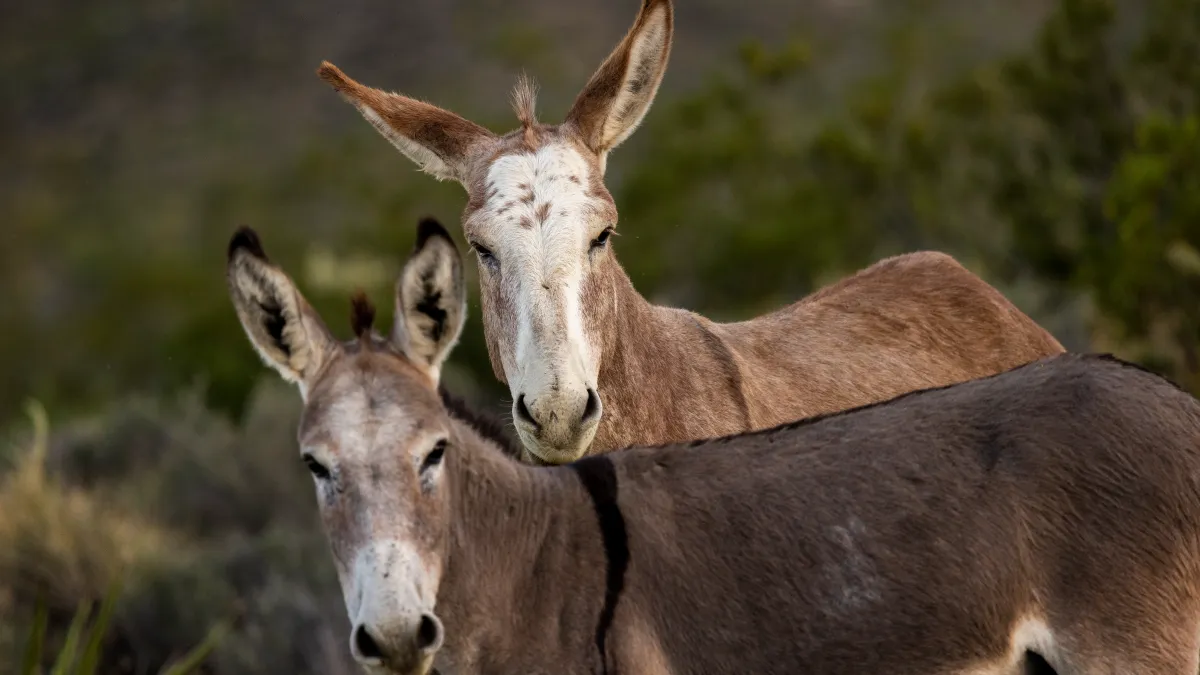
In this scheme, wild donkeys function as “biological tractors”, driven by grass and instinct, helping to protect farms from the advance of the desert.
Science and environmental planning
None of this works without planning. Field teams determine:
- How many donkeys each region can support without collapsing.
- Which areas need more help to restore the soil.
- Where their presence is undesirable and they need to be removed.
In some areas, the plan includes fencing high ecological value areas and concentrating donkeys in degraded lands that need to be “reopened” to receive water and life.
An open debate
The approach shifts from “eliminate the species” to “use their natural behavior to benefit the landscape”. However, the debate remains open:
- One sector advocates for mass culling as a quick solution.
- Another growing group sees wild donkeys as a unique opportunity for desert recovery and protection of agricultural operations threatened by drought.
The future of wild donkeys in Australia will depend on how the country decides to coexist with them. If they continue to be treated only as a problem, money will keep being spent on extermination without changing the reality of soil and water. But if they are integrated into ecological restoration projects, they can become strategic allies to combat desertification and strengthen agricultural resilience.



