



The advancement of agrivoltaics, the installation of elevated solar panels in agricultural fields, is demonstrating benefits that transcend the simultaneous production of clean energy and food.
A study presented at the annual American Geophysical Union (AGU) 2025 conference revealed that these systems not only optimize land use but also protect the health and well-being of agricultural workers.
Shade that protects bodies and crops
The shade generated by the solar panels reduces extreme temperatures by up to 10°C, alleviating fatigue and heat stress for those working under the sun. The research, led by Talitha Neesham-McTiernan from the University of Arizona, was conducted at Jack’s Solar Garden, an agrivoltaic farm in Colorado (USA).
In this location, the moving shade strips transform the daily experience of workers:
- They decrease direct heat.
- They reduce physical exhaustion.
- They allow potable water to stay cold longer.
- They offer spaces for breaks and physical support, improving the quality of work life.
Impact on work organization
Interviews and measurements show that workers and research staff organize their days seeking the protection of the panels during the hottest hours. The data reflects a reduction of up to 5.5°C in the heat stress index (wet-bulb globe temperature) compared to fields without panels.
This difference can be decisive: between sustainable workdays and extreme conditions that force tasks to be suspended. The study also emphasizes that the perception of heat is complex, as sensors and testimonies do not always match, reinforcing the importance of listening to the experiences of workers in the real space.
Expansion and new challenges
The researcher plans to expand the analysis to other climates and regions to obtain more precise physiological data and better understand the limits and possibilities of agrivoltaics.
Although not presented as a universal solution, the study concludes that the implementation of solar panels in agriculture is a powerful tool to mitigate the risks of extreme heat, increasingly frequent in the context of climate change.
What is agrivoltaics
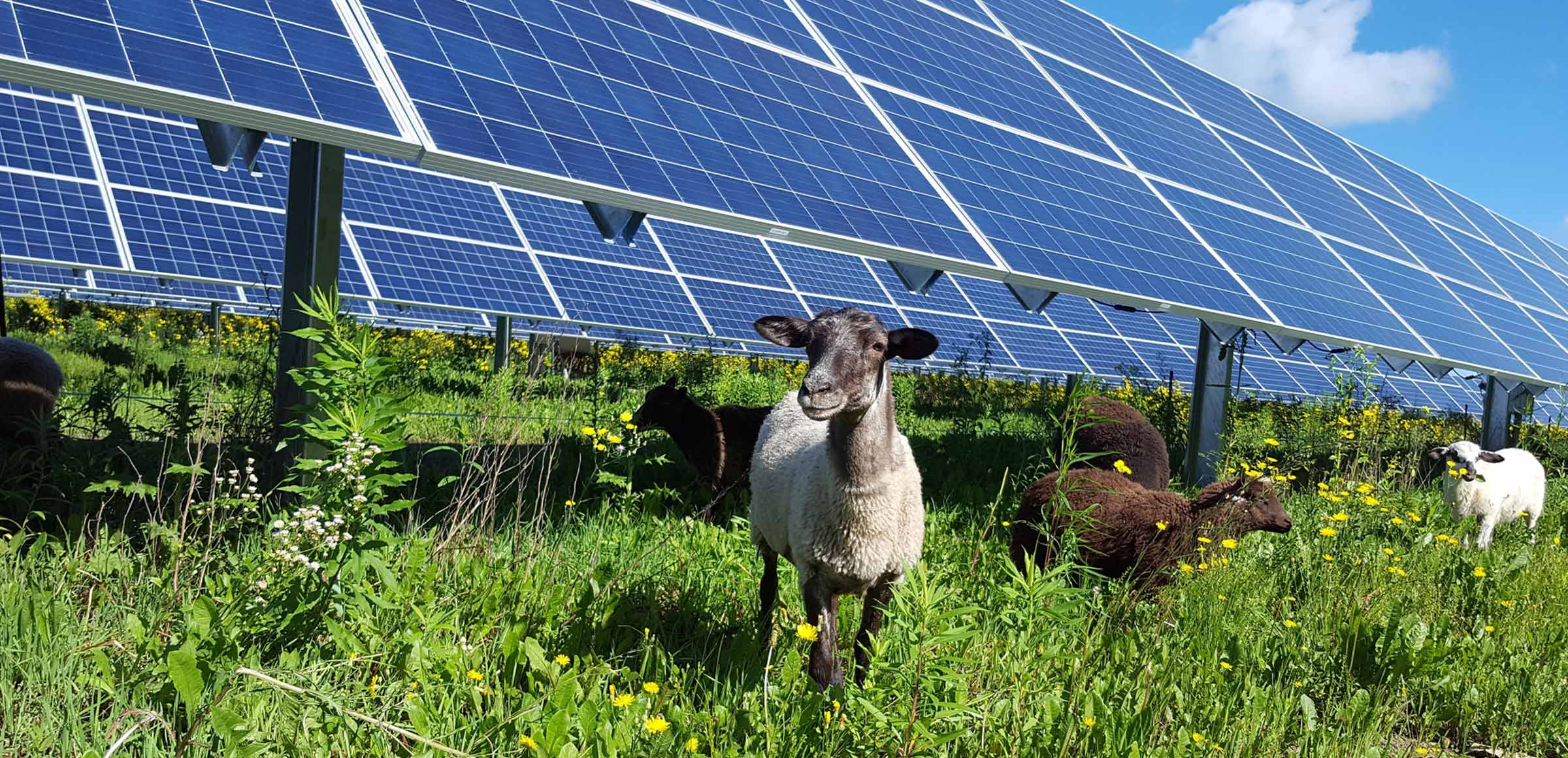
Agrivoltaics combines agricultural production with solar energy generation on the same land. Elevated solar panels allow both systems to operate simultaneously without competing for land use.
Main benefits
- Optimization of rural space and diversification of income for farmers.
- Protection against extreme weather conditions, reducing thermal stress in plants and improving their performance.
- Generation of clean energy, contributing to the reduction of pollutant emissions and the development of renewable sources.
The energy transition shows that it not only protects resources but also bodies. Agrivoltaics positions itself as an efficient and sustainable alternative for the agricultural and energy sectors, capable of improving productivity, reducing labor risks, and strengthening resilience against climate change.


