



In Cayo Largo, Cuba, there is a marine turtle rescue center that protects threatened species such as the hawksbill, green, and loggerhead. Affected by erosion and human impact, these turtles find a safe space in the refuge for incubation and release of hatchlings.
Leonardo, one of the center’s directors, explained that the location of Cayo Largo offers ideal conditions for nesting. However, erosion threatens the survival of the eggs. Therefore, the center rescues nests and ensures that between 10,000 and 20,000 hatchlings are born each season, increasing the chances of survival against the critical natural rate (only one in 100 reaches adulthood).
Sustainable tourism and citizen participation
The center is open to the public from 9 AM to 4 PM, allowing visitors to participate in conservation activities:
- Nest rescue.
- Release of hatchlings in their natural habitat.
- Educational talks on the importance of marine turtles.
For a symbolic cost of four dollars, tourists can experience releasing newborn turtles and learn about the conservation of these species. The nesting season extends from May to September, becoming a unique attraction for families and travelers interested in ecotourism.
Ecological importance of marine turtles
Turtles play a crucial role in the balance of ecosystems:
- Health of reefs and seagrass beds: they control algae and sponges, transporting energy between habitats.
- Beach stability: their nests nourish the dunes and favor coastal flora.
- Population balance: they regulate species as predators and prey, maintaining marine biodiversity.
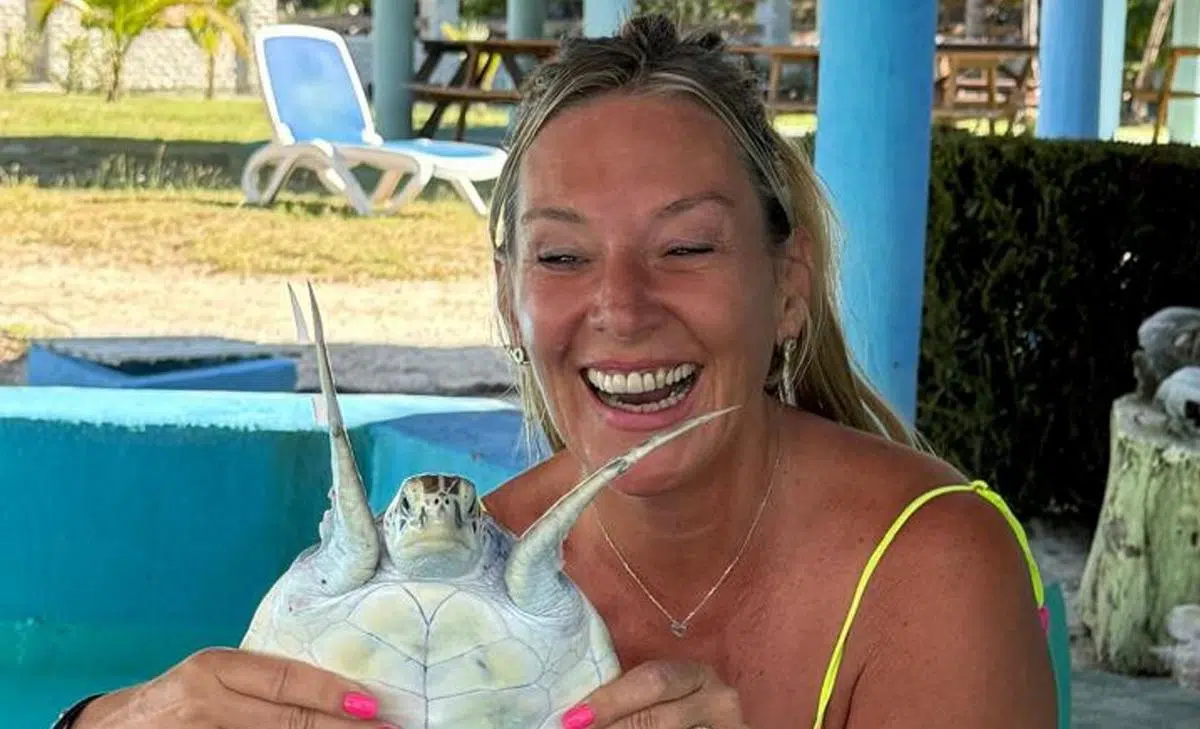
Cayo Largo: nature and conservation
With an area of 37 km², Cayo Largo is recognized for its paradisiacal beaches, considered among the best in the world.
The Marine Turtle Rescue Center has become a pillar of conservation and a tourist attraction that reinforces the island’s image as a sustainable destination.
Complementary attractions
- White sand beaches ideal for relaxation and ecotourism.
- Educational activities that raise awareness among visitors about the importance of protecting threatened species.
- Active conservation that positions Cayo Largo as a key site for marine turtle nesting in the Caribbean.
Educational and social role
The center offers a unique experience: connecting visitors from around the world with nature and the need to protect it. The release of hatchlings not only raises environmental awareness but also strengthens the local economy through ecotourism.
In this way, Cayo Largo is established as a “living treasure” of Cuba, where marine turtle conservation is integrated with education and sustainable tourism.
The marine turtle refuge in Cayo Largo is much more than a conservation center: it is a space where science, culture, and tourism unite to protect species vital for marine balance. Its work demonstrates that sustainability can also be an educational and transformative experience for those who visit the island.



