



The Directorate of Flora and Fauna of Buenos Aires is involved in the relocation of capybaras in the residential complex to transfer specimens, while environmentalists, animal rights activists, and residents express their rejection of the measure.
The management of wildlife in the urban complex of Nordelta, located in the district of Tigre, has entered a new operational phase.
The Directorate of Flora and Fauna of the Province of Buenos Aires has launched a series of technical procedures aimed at the capture and subsequent relocation of capybaras, a measure that has reactivated the public debate and provoked mobilizations at the entrances to the private neighborhood.
The deployment of provincial authorities responds to a diagnosis of overpopulation of these giant rodents in the common areas and private lots of the development.
The sectors of the community promoting the intervention base their request on the increasing reports of road incidents, altercations with domestic pets, and material damage to the landscaping and gardens of the homes.
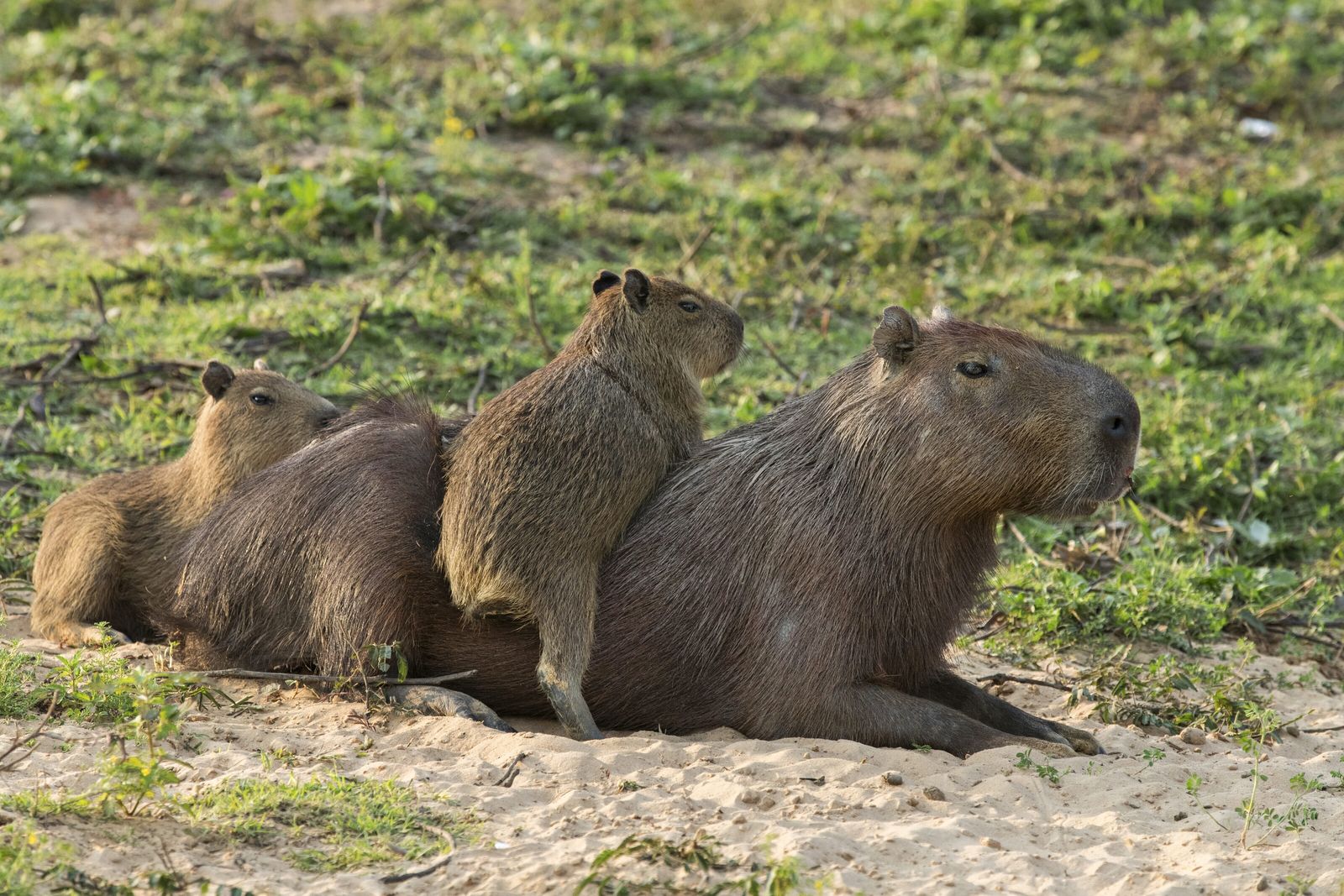
According to established protocols, the goal is to transfer the identified specimens to natural reserves or protected areas that ensure a suitable habitat outside the urban environment.
However, the execution of these operations has generated strong resistance. Groups of neighbors, in line with animal rights organizations, have led protests to denounce what they consider an unjustified eviction of the native fauna.
Forced relocation of capybaras
The central argument of the protesters emphasizes that the capybaras are original inhabitants of the wetlands on which the complex was built, and therefore they demand solutions based on coexistence and preservation, instead of forced displacement.
During the capture days, provincial specialists supervise that the methods used respect animal welfare.
Nevertheless, the tension in Nordelta persists, reflecting the complex challenge of balancing real estate development with the protection of local ecosystems.
While the operations continue, the controversy continues to divide public opinion between the need for population control and the ethical imperative to respect the native fauna.



