



More and more people are choosing the bicycle not only as a means of transportation but as a way to experience the city. Less traffic, cleaner air, and a routine that adds well-being and urban transformation.
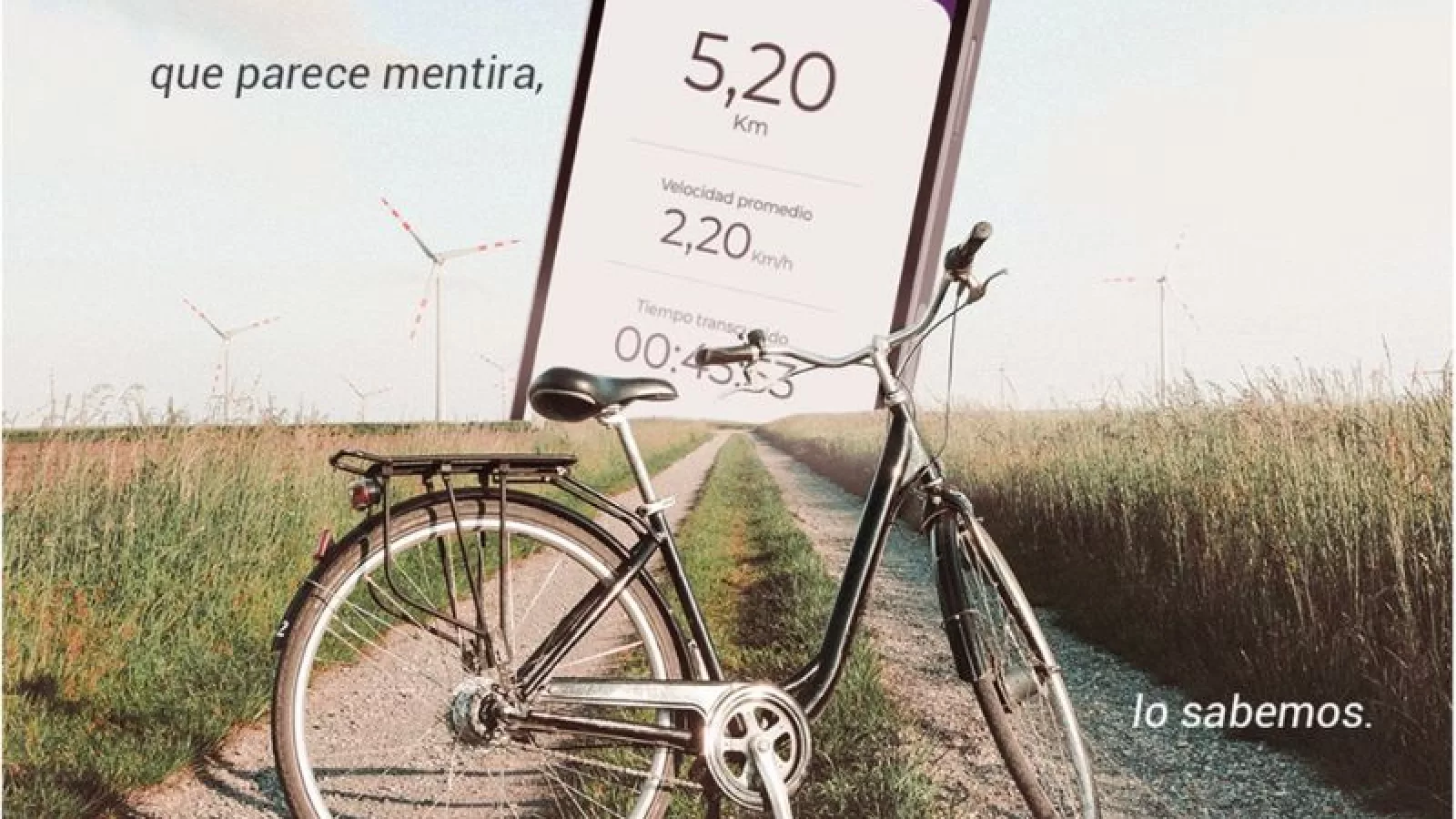
In this journey, the Webike community reached a milestone that consolidates it as a collective movement with measurable impact: 100,000 kilos of CO₂ avoided, recorded from the bike rides that thousands of users logged in the Webike APP.
Everyday Decisions That Add Up
Behind that number are thousands of daily choices:
- Commuting to work by bike.
- Replacing the taxi with two wheels.
- Choosing the bicycle as a regular means of mobility.
The result is cleaner air, less noise, less traffic, and more livable cities. Translated into concrete environmental impact, the 100,000 kilos of CO₂ avoided are equivalent to:
- 1,200 daily car commutes to work over a year.
- More than 250,000 urban motorcycle trips.
- The burning of 43,000 liters of gasoline.
- 120,000 average taxi rides within a large city.
Each registered trip becomes a measurable, traceable, and quantifiable action in favor of the urban environment and personal and collective health.
International Methodology
These equivalences were calculated using methodologies from international organizations such as the US EPA, the European Environment Agency, and the IPCC, allowing us to gauge the collective impact that thousands of users are generating with their everyday decisions.
A Tool to Transform Cities
“Active mobility is not just an alternative mode of transportation: it is a real and measurable tool to improve urban quality of life. This achievement belongs to all the people who chose to move by bicycle, logging their rides in Webike APP, to the businesses, brands, products, and services that joined with various incentives and efforts to reward those who move by bicycle, as well as to the companies and governments that support these transformations,” said Rodrigo Arochi, co-founder and CEO of Webike.
Regional Expansion
Born in Argentina, the platform grew organically and is now preparing to expand to Uruguay and then to other Latin American countries.
Leading companies like BBVA Seguros have already integrated Webike into their corporate mobility and sustainability programs, demonstrating that the model works and that there is a concrete demand for technological solutions that combine commercial incentives, positive environmental impact, health, and well-being.
“The milestone of 100,000 kilos comes at a key moment: it confirms that active mobility is no longer a promise and has consolidated as an urban habit. The next 100,000 kg of CO₂ avoided will come much sooner,” added Arochi.
Technology and Triple Impact
The Webike model combines:
- Technology: each pedaled kilometer becomes verifiable data.
- Incentives: rewards for those who choose the bicycle.
- Partnerships with brands and governments: urban analysis tools to promote sustainable travel.
Webike is a Latin American platform and movement of triple impact (environmental, social, and economic). Its purpose is to transform the way people move around the city, contributing to:
- Reducing emissions.
- Improving urban health.
- Boosting the local economy.
- Building more connected communities.
The bicycle is no longer just a means of transportation: it is a motor for urban transformation. The milestone achieved by Webike demonstrates that active mobility can generate a concrete environmental and social impact, and that the sum of individual decisions translates into collective change. Sustainability begins with everyday habits, and every pedal stroke counts.


