



On February 4, 2026, a trial considered historic began at the Federal Courts of Rosario regarding the crime of contamination by pesticide spraying in the Buenos Aires town of Pergamino.
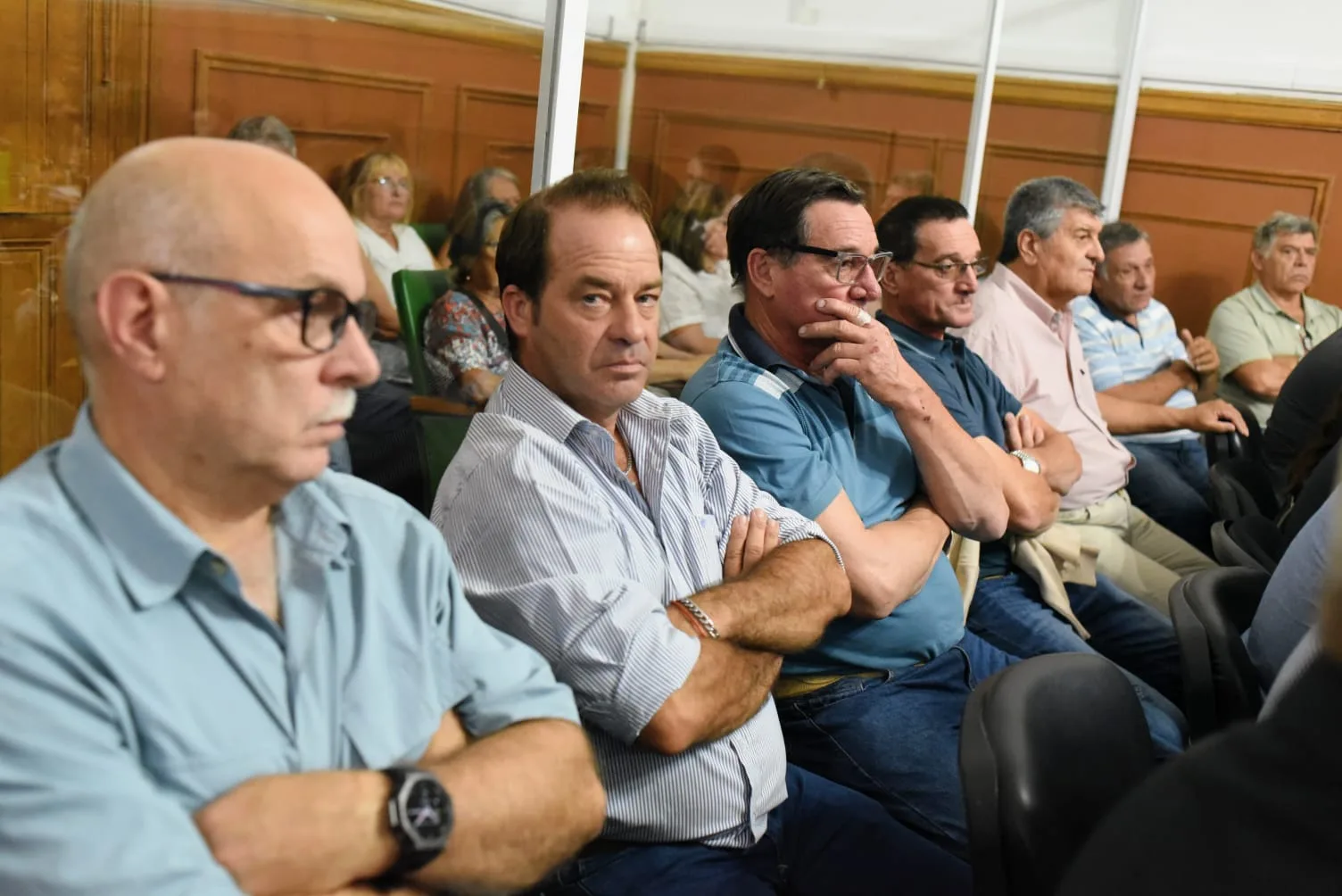
The case, which involves around 100 witnesses, has five agricultural producers and two former public officials on the bench, accused of omitting mandatory controls. One of them also faces charges of threats.
The process is led by the Federal Oral Court No. 2, composed of judges Román Lanzón, Elena Dilario, and Eduardo Rodrigues Da Cruz.
The Voice of the Victims
One of the most visible faces of the case is Sabrina Ortiz, plaintiff and complainant since 2011, when she lost a nearly six-month pregnancy. Ortiz claims to have suffered along with her children the effects of intoxication and, after years of struggle, managed to have the Justice hear her complaints.
In the first hearing, held on Wednesday the 4th, the opening arguments and the interrogation of the defendants were presented. Six of them were present and one participated virtually.
The Prosecution’s Accusation
Prosecutor Federico Reynares Solari, from the Complex Cases Investigation and Litigation Area, argued that the fumigations cannot be considered private activities protected by the Constitution, as their effects transcend the boundaries of the fields:
- Contamination of air, water, and soil.
- Death of animals.
- Serious health problems in the population, from respiratory conditions to terminal illnesses.
Reynares Solari spoke of “damage to existence” and emphasized that science supports the complaints. According to the accusation, the pesticides used violate environmental protection regulations and generate criminal consequences.
Defense Arguments
The defenses argued that the facts are not of federal jurisdiction, that the chemicals represent a cost for the producers, and that the plots were small, so there would be no intent.
The prosecution, on the other hand, maintained that the charges include figures of author, co-author, and participants, and are supported by the hazardous waste law. “Pesticides are poison, they make populations sick. The bodies of the affected people speak for themselves,” they emphasized.
Social and Environmental Support
The day was supported by family members, environmental organizations, and social leaders:
- Pablo Riveros, from Semilla del Sur and an official from the Ministry of Environment of Córdoba, highlighted that the trial can set a key precedent to regulate productive activity.
- Members of the multisectoral Paren de Fumigarnos from Santa Fe accompanied the victims. Carlos Manessi pointed out that this is the first federal trial for spraying, making it a judicial milestone against the power of agribusiness and corporations.
A Trial of the Productive Model
For environmental activists, this process not only judges producers and officials but also a production model based on chemicals, responsible for environmental and human damage.
The trial will continue with new hearings:
- February 5.
- February 12.
- February 24.
- February 25, all starting at 9 in the morning.
The trial for spraying in Pergamino marks a historic precedent in Argentine federal justice, highlighting the impact of pesticides on health and the environment, and opening a debate on the limits of the agro-industrial model.


