



The Drought Monitor in Mexico, prepared by the National Water Commission (Conagua) through the National Meteorological Service, reported a significant decrease in drought in the country. In mid-January, more than 2,000 municipalities stopped experiencing water stress conditions, representing a substantial improvement compared to previous years.
Currently, only 7% of the national territory maintains some degree of drought —from moderate to exceptional—, while 13 states have overcome the most severe problems thanks to the recovery of recent rains and improvements in water storage.
The Drought Monitor
This official tool classifies drought into different levels, from abnormally dry to exceptional drought, considering variables such as:
- Accumulated precipitation.
- Surface runoff.
- Water storage in dams.
Its periodic update allows authorities and citizens to know the country’s water status and make strategic decisions regarding water management.
Historical context: water crisis 2021-2025
The current improvement contrasts with the severe water crisis recorded in recent years:
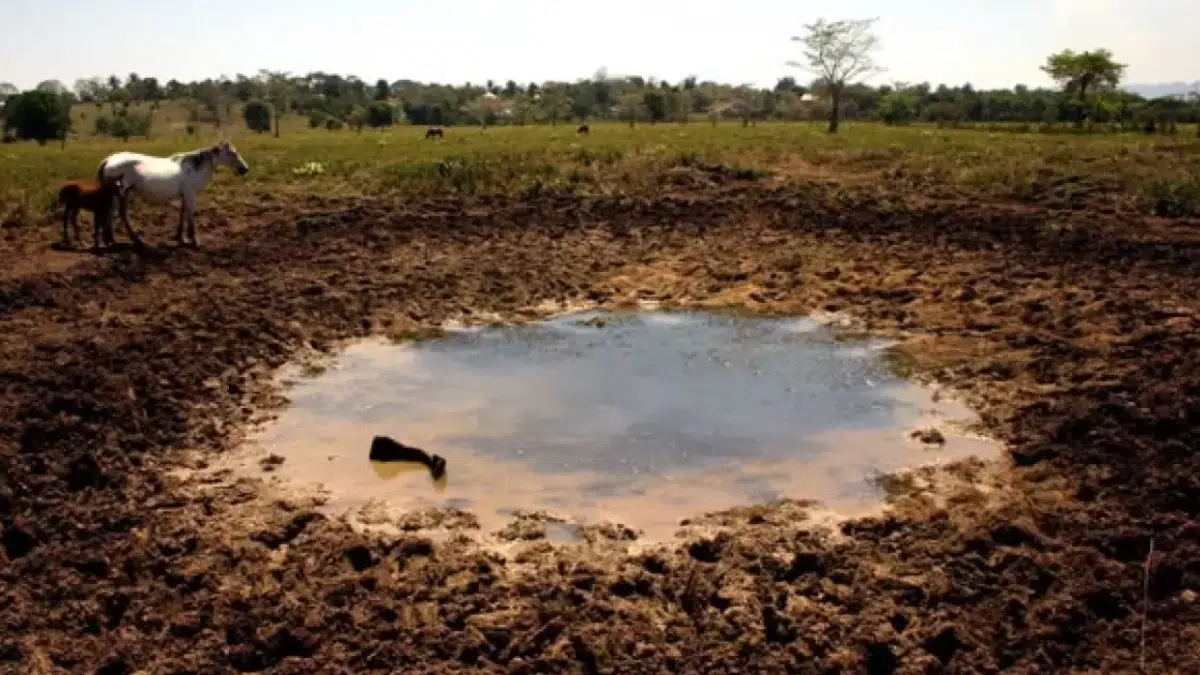
- Agricultural and livestock sector: decline in the production of beans, corn, and rice; high livestock mortality due to lack of water and forage.
- Urban crisis: critical levels in dams in the north and center, with the risk of “Day Zero” in several cities.
- Economic impact: increase in production costs, rise in energy demand, and impacts on transportation infrastructure.
- Ecosystems: increase in forest fires and loss of biodiversity.
Situation at the beginning of 2026
- Water recovery: national storage reached a maximum of 72% by the end of 2025.
- Cutzamala System: recovered to 97%, key for supplying the Valley of Mexico.
- Regional improvement: more than 80 dams reached 100% of their ordinary water level.
- Drastic reduction of drought: especially in the north of the country, where intense rains allowed aquifers to recover and improved potable water availability.
Future challenges
Specialists warn that, although the outlook is favorable, drought remains a recurring phenomenon linked to climate change and rainfall variability. Therefore, it is essential to:
- Maintain efficient water management strategies.
- Strengthen prevention and constant monitoring.
- Promote climate adaptation policies to reduce water vulnerability.
- Encourage the use of sustainable irrigation technologies and the reuse of treated wastewater.
- Promote environmental education so that the population actively participates in the care of water resources.
The reduction of drought to only 7% of the national territory marks a positive milestone for Mexico after years of water crisis. However, recovery does not eliminate the structural challenge of managing water in a context of climate change. Recent experience shows that water resilience depends both on rainfall and on the institutional and social capacity to manage resources sustainably.



