



The biotechnology company Colossal Biosciences, known for its projects to “revive” extinct species such as the mammoth, the dodo, and the Tasmanian tiger, announced the creation of a cryogenic biobank in the United Arab Emirates (UAE).
The facility will be located in the Museum of the Future in Dubai and will store millions of frozen tissues and other samples from up to 10,000 species, including the 100 most threatened globally and in the UAE.
Background: the “dire wolf”
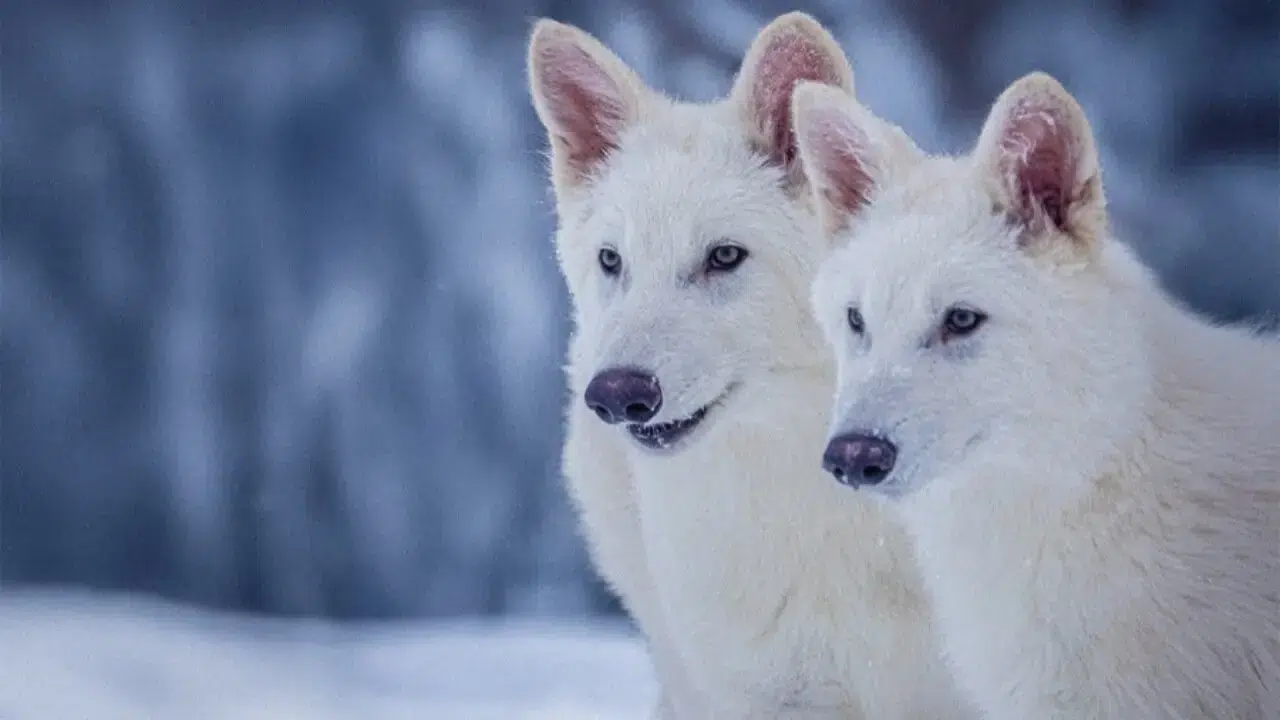
Last April, Colossal surprised by announcing the “resurrection” of the dire wolf, creating three hybrid specimens from ancient DNA and genetic editing on the gray wolf. Although experts point out that these are not identical copies, the achievement demonstrated the potential of biotechnology to recreate traits of extinct species.
Objectives of the cryogenic biobank
Colossal proposes a dual approach:
- Conservation of endangered species, preserving genetic diversity to ensure their future viability.
- Potential resurrection of extinct species, using the samples as a backup in case of disappearance.
CEO Ben Lamm compared the project to the Svalbard Global Seed Vault, which conserves 1.4 million plant samples in the Arctic. “We need backups of all life on Earth because conservation is not keeping pace with extinction,” he stated.
Importance of genetic diversity
The IUCN Red List includes more than 48,000 threatened species. Lamm emphasized that conserving multiple samples of each species is key to maintaining genetic diversity, avoiding ecological imbalances and irreversible losses of biological information.
Among the arguments:
- The disappearance of a species can alter food chains and entire ecosystems.
- Animals possess immune systems and adaptations that could inspire medical advances for humans.
Other biobanks in the world
Colossal is not the only initiative in this field:
- The San Diego Frozen Zoo conserves genetic material from more than 1,300 species, with successful clones of Przewalski’s horses, gaur, banteng, and black-footed ferrets.
- The Frozen Ark, in the United Kingdom, accumulates 48,000 DNA samples, including species like the snow leopard and the scimitar oryx.
The San Diego Zoo Wildlife Alliance highlighted that the cryopreservation of living cells is an urgent need, but warned that it requires international coordination, clear regulatory frameworks, and long-term governance.
Criticisms and challenges
Experts like Dusko Ilic, from King’s College London, pointed out that details are still lacking regarding the scope, governance, and funding of Colossal’s biobank. He reminded that cryobanking does not replace in situ conservation or habitat protection, but should be considered a complementary tool.
Investment and public outreach
The project is part of a nine-figure initiative in the UAE, which recently invested US$ 60 million in Colossal. Since its founding in 2021, the company has raised US$ 615 million.
The biobank will be open to the public within the Museum of the Future, with laboratories on display to bring science closer to citizens and inspire new generations.
Colossal’s biobank represents an ambitious advance in global genetic conservation, with the potential to preserve thousands of species and serve as a backup against extinction. However, its success will depend on international cooperation, adequate regulation, and integration with traditional conservation strategies.



