



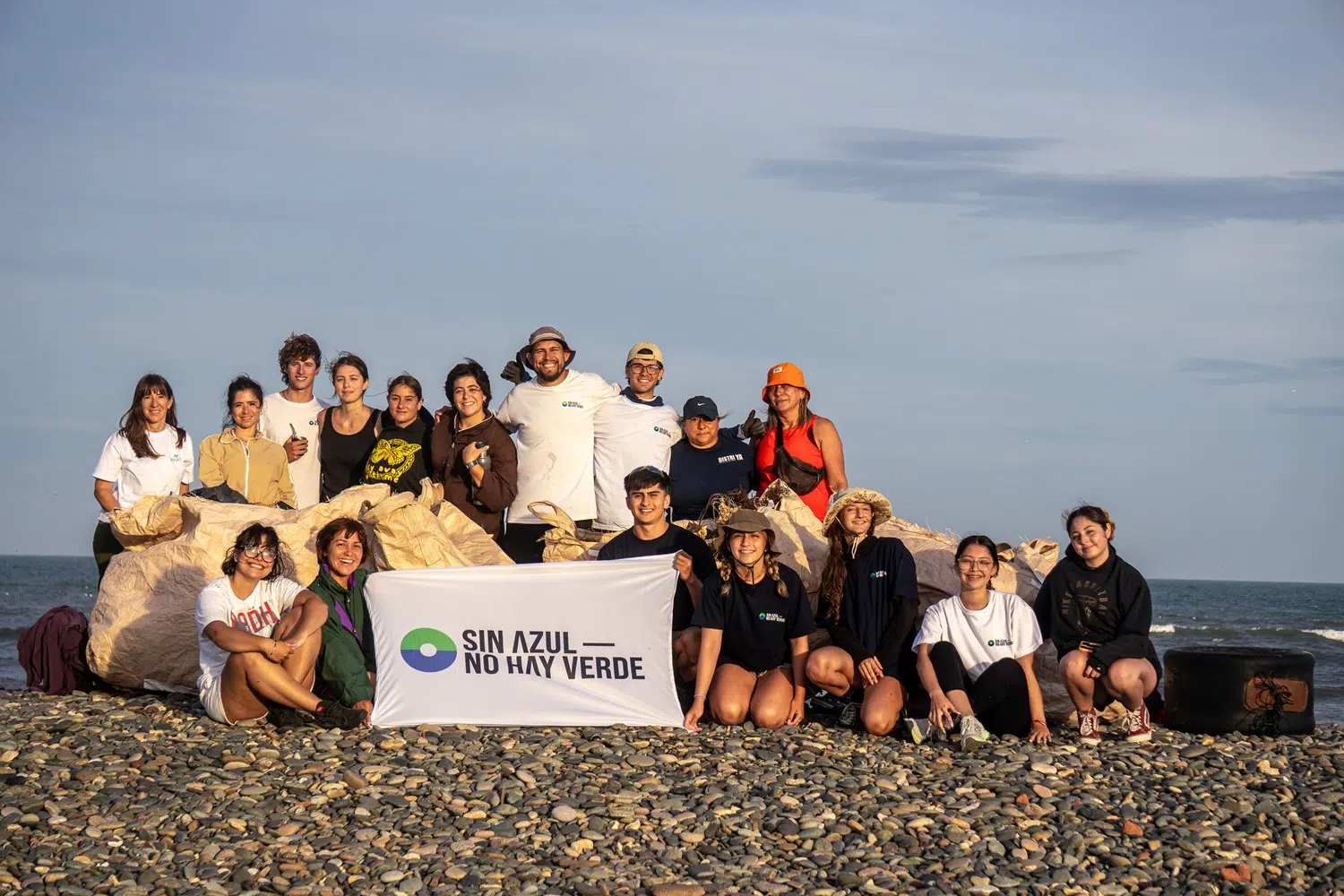
The landscape of Playa La Galesa, in the Magagna (Chubut) area, looked different after the action of a group of 25 volunteers summoned by the foundation Sin Azul No Hay Verde.
In just 90 minutes, they managed to remove 200 kilos of trash that the tide had deposited on the shore, focusing on a critical sector located before the police checkpoint, considered a true thermometer of coastal pollution in the region.
Geographic dynamics and waste accumulation
According to Juan Coustet, coordinator of the foundation in Chubut, the choice of location responds to a natural dynamic:
- The curvature of the beach and tidal currents create a sedimentation trap.
- The nearby river mouth drags waste towards the bay.
- The proximity of the port favors the return of discarded items in the water to the coast.
This set of factors turns the site into a constant accumulation point of marine litter.
Industrial waste profile
Although urban waste such as plastic bottles was found, the composition of the trash revealed a direct link with fishing and port activities:
- Nets and ropes.
- Yellow stevedore gloves.
- A large number of broken fish crates, a finding that surprised the organizers.
Coustet warned that such a volume of crates, neither whole nor fragmented, had never been recorded before. The massive presence of broken rigid plastic shows the wear of the material in the water and complicates its collection, reflecting the lack of proper waste management in the fishing fleet.
Destination of the waste
The foundation coordinated the final disposal with local actors to prevent what was collected from simply being relocated:
- 116 kilos of plastics were sent to the Reciclados Patagónicos plant, where they will be reintegrated into the production circuit.
- The remaining 80 kilos, degraded or unrecoverable, were transferred to GIRSU for disposal in the landfill.
Community value and environmental awareness
Beyond the physical cleanup of the coast, Coustet highlighted the day as an act of resistance in an adverse environmental context. He emphasized the importance of reinforcing the concept of community and especially valued the participation of young people, who contributed energy and commitment.
The activity was understood as a way to unite wills and sow awareness through direct action in the territory, reminding that the environmental crisis requires both public policies and citizen initiatives.
The cleanup of Playa La Galesa in Chubut not only relieved a critical sector of pollution but also highlighted the impact of industrial activity on the Patagonian coasts. The articulation between volunteering, recycling, and final disposal shows that it is possible to transform a problem into an opportunity for awareness and community action.


