



Norway will move towards the gradual elimination of fast-growing chicken breeding in the meat industry and the culling of male chicks in egg production. The goal is to achieve both objectives by 2027.
The decision arises from an agreement between the main players in the poultry sector and not from government regulation. However, its scope will be decisive for the entire country.
The company Nortura, the driving force behind the pact and owner of the only chicken hatchery in Norway, plays a central role. Therefore, if the industry fulfills its commitments, the practical effect will be equivalent to a national regulation.

Key Dates and Technological Changes
The definitive end of fast-growing chicken breeding was set for December 2027. In parallel, the culling of male chicks must cease in July of the same year.
In replacement of this practice, in ovo sexing techniques will be implemented. This procedure allows for determining the sex of the embryo before birth and halting incubation if it is male.
In this way, the sector seeks to reduce animal suffering in the production chain. Additionally, it opens up a new technological scenario that redefines welfare standards in Europe.
Millions of Birds Under the New Model
The change will impact more than 70 million chickens each year in Norway. Additionally, it will prevent the annual culling of three million male chicks in the egg industry.
The transition also responds to a growing social demand for more ethical production systems. Consequently, the poultry sector is trying to align with consumers who are increasingly attentive to the origin of food.
Organizations like Anima Norway celebrated the agreement as a significant advancement. For years, they have been promoting campaigns to modify practices considered controversial.
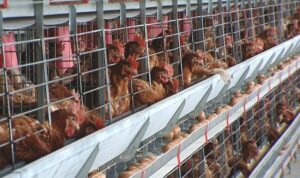
Environmental and Ethical Consequences of Cage Breeding
Intensive cage breeding, common in various industrial systems, has been questioned for its effects on animal welfare. The restriction of movement causes stress, injuries, and abnormal behaviors in birds.
Moreover, these systems concentrate large volumes of animals in small spaces. As a result, they increase health risks and the need for frequent veterinary interventions.
From an environmental perspective, high-density production increases the generation of organic waste and associated emissions. Therefore, moving towards less intensive models can reduce impacts on soil, water, and air quality.
In this context, Norway’s decision represents a structural shift. Although it does not originate from state law, it sets a precedent that could influence other markets and accelerate the ecological transformation of poultry production on an international scale.



