



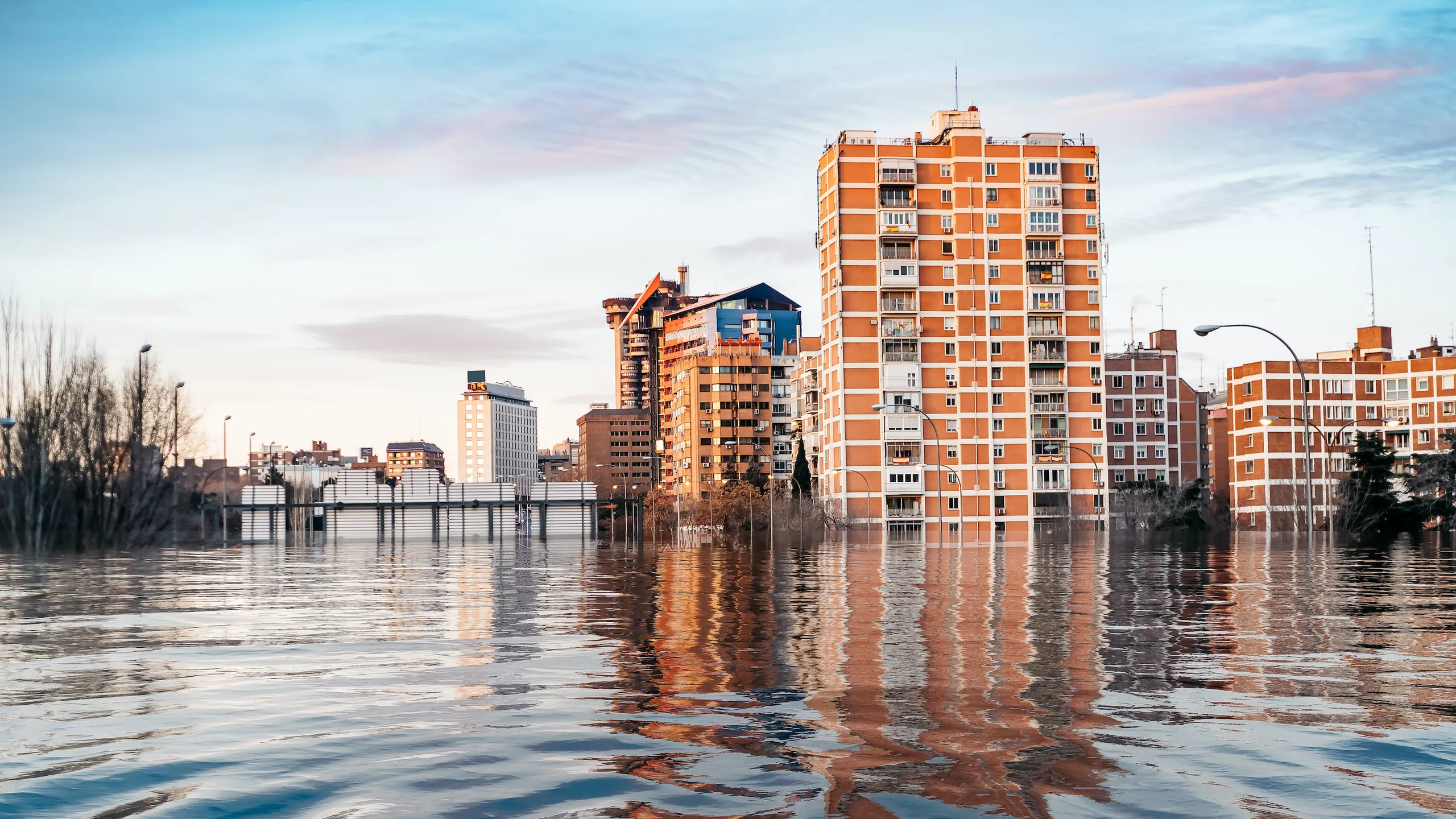
A study published in Nature reveals that the sea level on the planet’s coasts is up to one meter higher than previously estimated in wide regions, especially in the Indian, Pacific, and Southeast Asia. This correction completely changes the perception of the risk of coastal flooding associated with global warming.
Until now, calculations were based on geoid models that represented the ocean’s calm surface, considering factors such as gravity and Earth’s rotation. However, these models left out elements like tides, storms, currents, and salinity, which generated a systematic underestimation.
The finding in the Mekong Delta
Researcher Philip Minderhoud, from the Wageningen University (Netherlands), began questioning the measurements a decade ago when he observed that in the Mekong Delta (Vietnam), the surface water level was already decimeters from the land, much earlier than anticipated.
Together with Katharina Seeger, he reviewed 385 scientific studies on sea level and found that more than 90% were based solely on geoid models. By incorporating direct measurements and satellite data, they found that coastal waters are, on average, 25 to 27 centimeters above what was estimated, and in some areas up to two meters higher.
Impact on coastal populations
The new estimates imply that:
- 132 million people could be below sea level with a one-meter rise, a 68% increase from previous calculations.
- A 37% more coastal area would be exposed to flooding.
- Currently, 80 million people already live below sea level, and another 50 million are at risk, especially in regions of the global south.
Expert opinions
- Matt Palmer (University of Bristol) considers that this work reveals a widespread underestimation of the impacts of coastal flooding.
- Andrew Shepherd (University of Northumbria) warns that the more exposed southern communities are already facing the challenge without marine defenses, and what they do today could serve as an example for the rest of the world.
Adaptation and resilience
The study reinforces the need for more ambitious coastal adaptation programs, which include:
- Construction of marine defenses.
- Resilient urban planning.
- Restoration of ecosystems like mangroves and wetlands.
- Constant monitoring with high-precision satellite data.
The finding that the sea level is higher than previously thought forces a rethink of climate adaptation policies. The impacts of coastal flooding could arrive sooner and with greater intensity than expected, affecting millions of people worldwide. The research marks a turning point: the risk is greater, and the urgency to act is immediate.


